
The past two months have been a difficult time for our family. We tragically lost a loved one and the rebound has been difficult. This person embraced their family with all their heart. They made me, in particular, feel a part of the immediate family, as if I had known their family for years. In fact, the entire family did the same out of respect for this person. This individual had an innate understanding of people’s motivations and personalities, brought their unique upbringing and joy to family and friends’ lives. Loyal and protective, this person also acted and fulfilled the role of a caregiver. And finally, this person had the ability to make everyone a believer in coincidences, superstitions and even an almost mystical fortune which seemed to mark their life, making their loss only more difficult. When taken from us, they left a hole in our family’s hearts. The hole will eventually heal, but not without the scars, damage and permanent pain fed by our wonderful memories of this special life now gone.
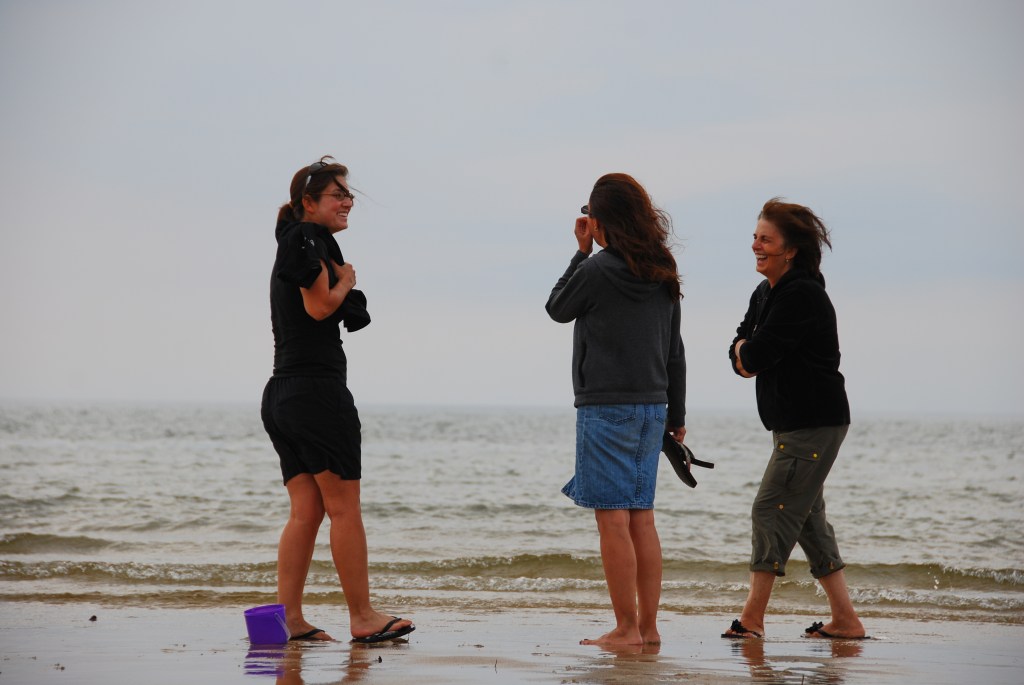
Guilt of survival creeps into every event, every celebration. These feelings can make even the simplest things we do for ourselves seem superfluous or selfish. Taking photographs can be perceived or felt as an indulgent hobby.
And yet, in other ways during times like these, taking photographs becomes necessary. It acts as an escape. It becomes a form of therapy. A therapy which is, if not healing, a type of processing. Questions about intent, performance, feeling and life are magnified. Celebration is shadowed by a mood darkened with sorrow.
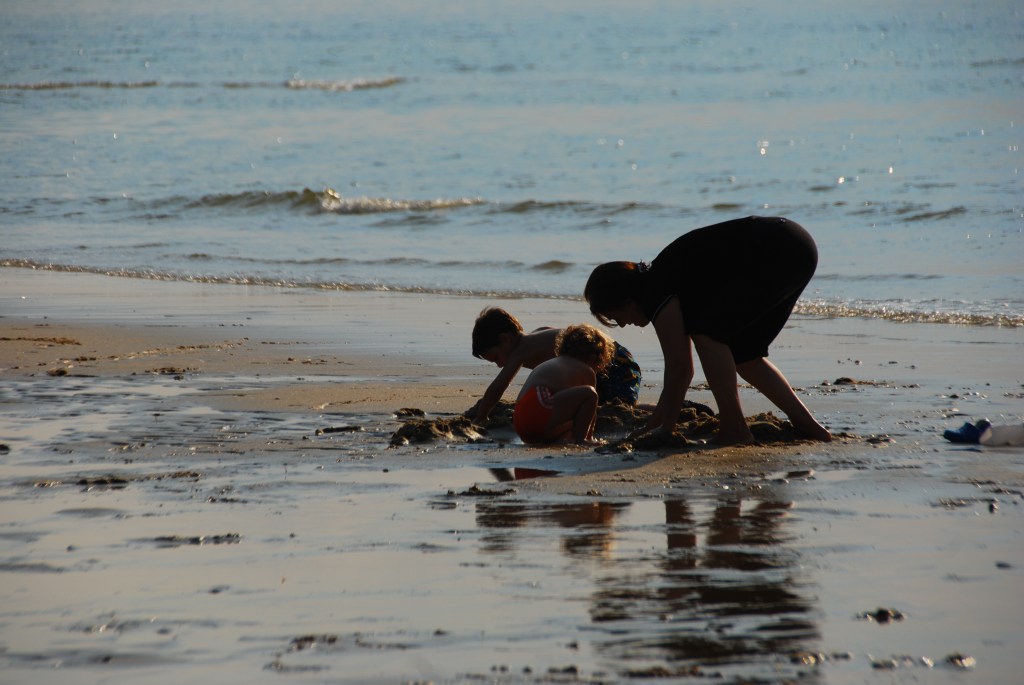
As if compounded by this tragedy, a health scare of my own left me pondering my own mortal coil. Priorities were shifted for a while before the habituation and necessities of my life, whatever its journey, took over. And yet, the exercise of acknowledging my limited time on this earth, coupled with the passing of a family member, changed me in ways difficult to explain. Thoughts of retirement and bucket list activities began to form in my mind…until these recent events, I perceived these thoughts as too selfish. What could I do to leave the living with some form of comfort after I’m gone?
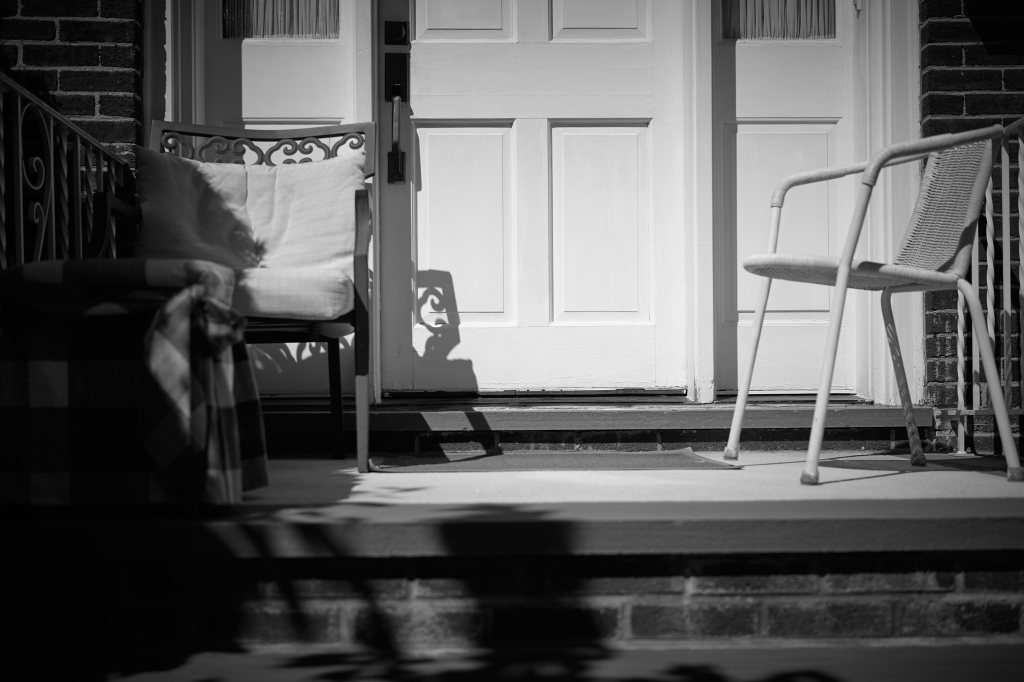
What would be my legacy to my family and would it have been fulfilled? Is the term “legacy” too presumptuous?
These are dark questions with answers that demand we examine our lives from outside of ourselves and our consciousness. They conjure our purpose and importance as a species, as a sentient being and as one which is, hopefully, loved and has loved.
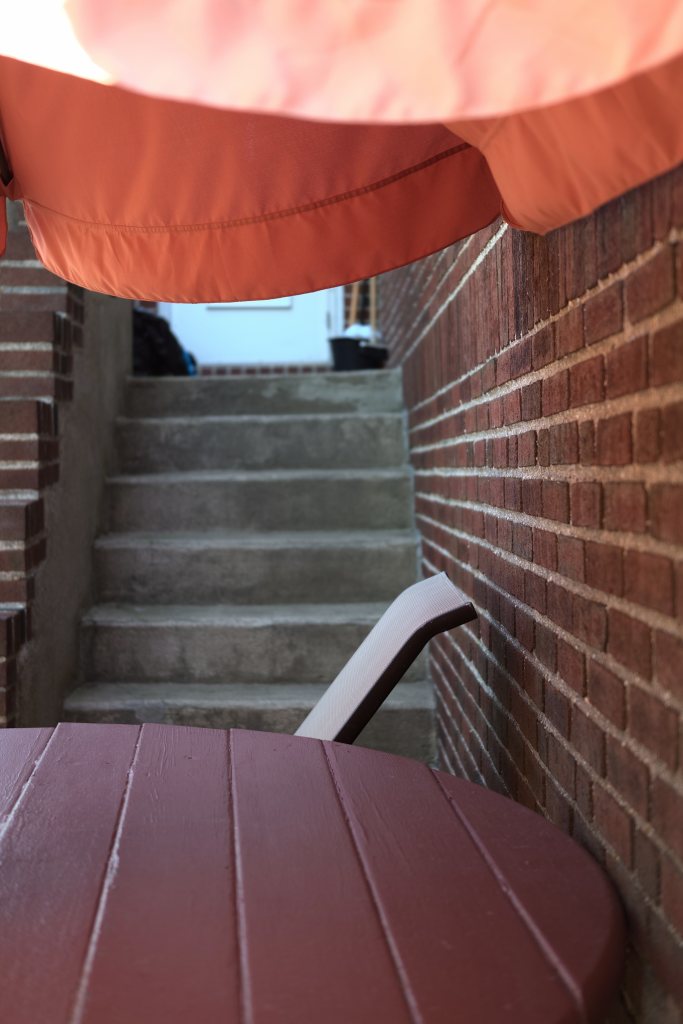
In many ways, love makes our personal world go around and, for all of us, a difficult place to live. At heart, a relationship based upon love is one of personal sacrifice and its ensuing reward which appears to give life meaning. It is, in a nutshell, one of the few things that matter most to the living. Unfortunately, the feelings of love can not be contemplated outside of our consciousness. “Eternal love” implies something else. Something beyond our earthly existence. Religions contemplate this other worldliness, but provide different and contradictory answers of what it means to share in some form of eternal life. Can they all be right?
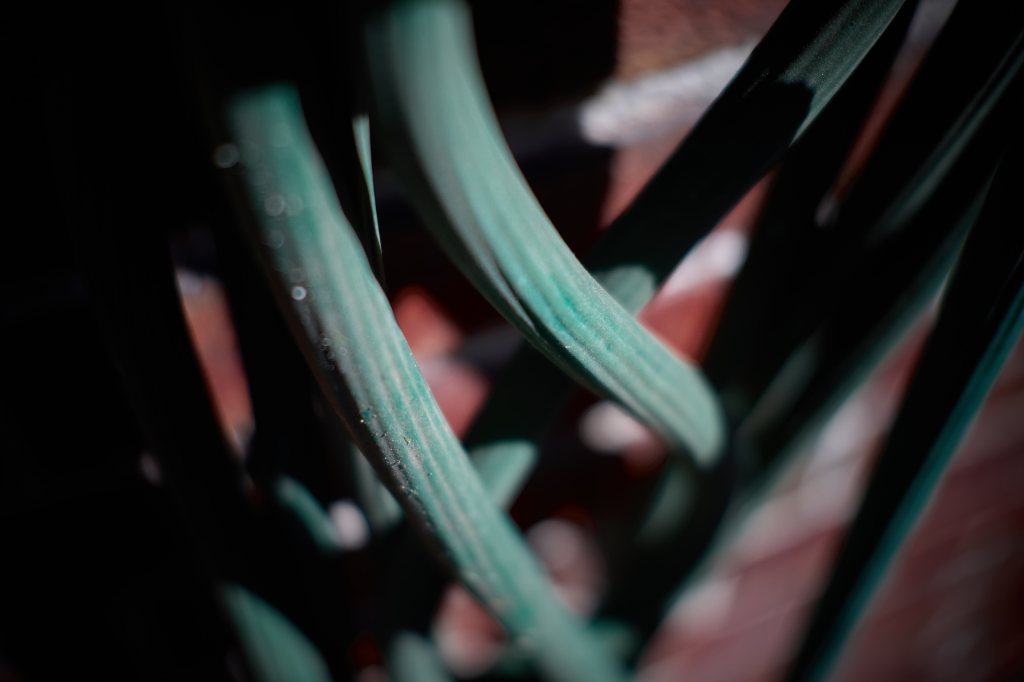
The flip side of the coin is what happens when we have lost such love. Religion transfers this earthly love into a form of eternal love as we struggle to contemplate love’s meaning outside of our consciousness. To contemplate these kind of thoughts is to reach towards our intelligible limits. For some, this is not a comfortable place to be. A human’s ability to grapple with limits is confronted when we are forced to unintuitively experience them. Physical sensations of a giant ocean liner being tossed at sea reveals the ship to be a mere pinhead floating on an ocean the size of a house, just as flying through space on the international space station at a rate of speed measured in thousands of miles an hour is revealed when a speck of space dust hits the spacecraft which sustains significant damage. Other examples, of which there are countless, are easy to conjure, such as being forced as a soldier to proceed into battle with certain early death, or perhaps the action of a photon passing through our bodies that only reveals itself after it modifies one of our living cells into cancer.
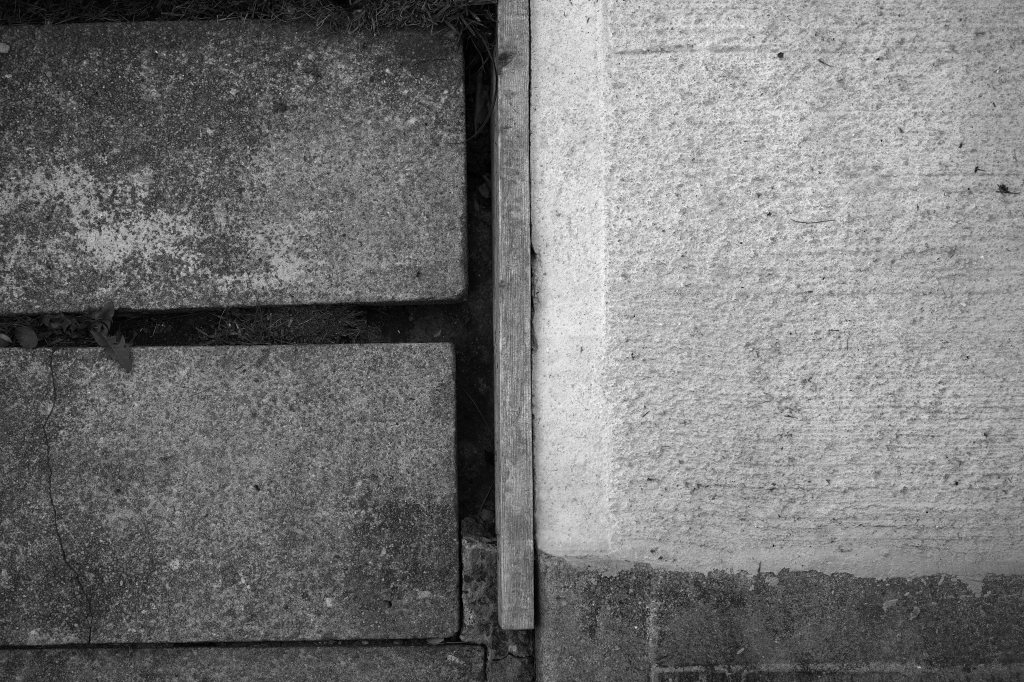
As humans we can learn of our limitations to understanding, and even experience them. We can continue a search to quantify and explain them. It is our way to understand them and contemplate their impact on our lives.
If, photography is a process of expression by an artist of our real world, can it act as a salve to a person struggling with understanding? I think art can do such a thing, but only if the artist’s insertion of themselves into the medium results in a type of congruency of message with the one experiencing it; the work itself must resonate with the viewer, its message the vehicle for such a delivery. The congruence is based upon a viewer’s personal taste, personal experience, lifestyle and ultimate willingness to submit and even embed themself in the artist’s vision, unreservedly.
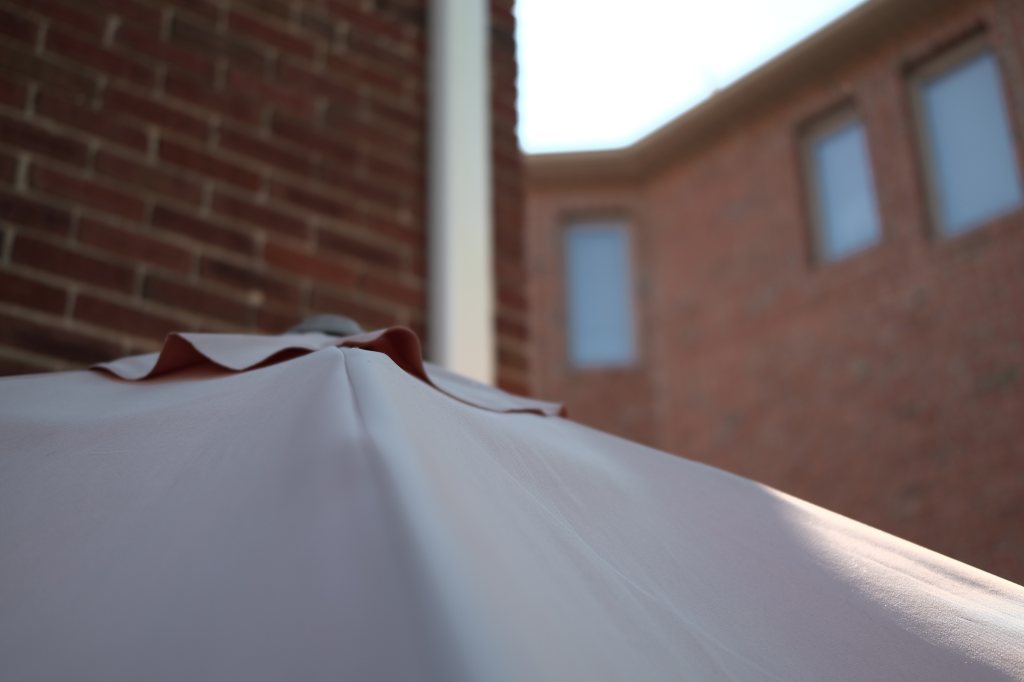
Taking a photograph can force the photographer to find a form of expression by revealing our intelligible limits.
Losing someone is losing part of ourselves. It’s losing, in some way, what we have shared with that person, things that we must come to terms with ending in our conscious world at the time of their passing, left only for the living to contemplate as the ultimate burden of life.


Leave a comment