
I have already posted about Tim Carpenter’s (author, photographer, philosopher) book “To Learn to Photograph is to Learn to Die” but I continue to revisit this book and share ideas about it with the hobbyist photographer. Essential to Carpenter’s argument, that photography can prepare the photographer for death, is the act of “decreation.” In a nutshell, through decreation, the photographer forfeits preconceived notions of the world to focus and consider ONLY the present.
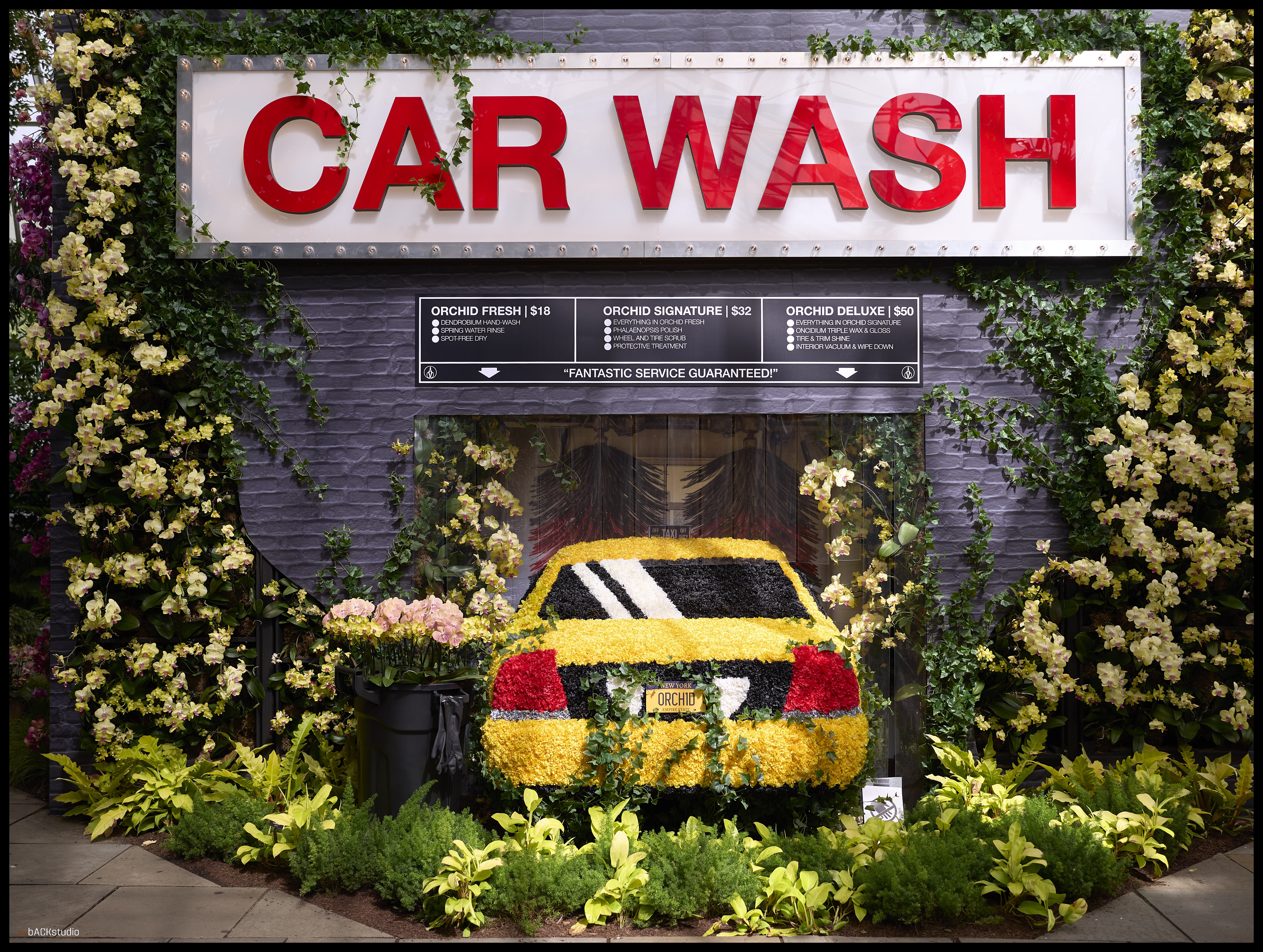
Mr. Flower Fantastic – Concrete Jungle exhibit at the New York Botanical Garden

Arthur Ave (2026) Sigma Bf, 35mm DG DN
As an architect exploring photography as a hobby, I am beginning to think there is a connection between the two. The architect creates the building or environment of the present for the photographer, who can only shed his entire preconceived notions of what he brings to the experience to create a photo that becomes part of the world of everything else a world of indifference, as Carpenter has described it. Is this any different than any other artist? Architect? Film maker? I suppose the difference in architecture, is that the building is continually experienced in the moment. It is, for as long as it stands, both a part of the architect AND a part of the indifferent world that surrounds it. I suppose. Is the photograph, once taken, still a part of the artist or is it relinquished to the world of indifference as suggested by Carpenter? We could argue that the photograph offers, like the building, some form of utility to the viewer. In architecture, that utility is valued as shelter. In photography, that utility is valued as art. How does one then offer such utility to the patron AND is the utility offered some form of “Intent?”
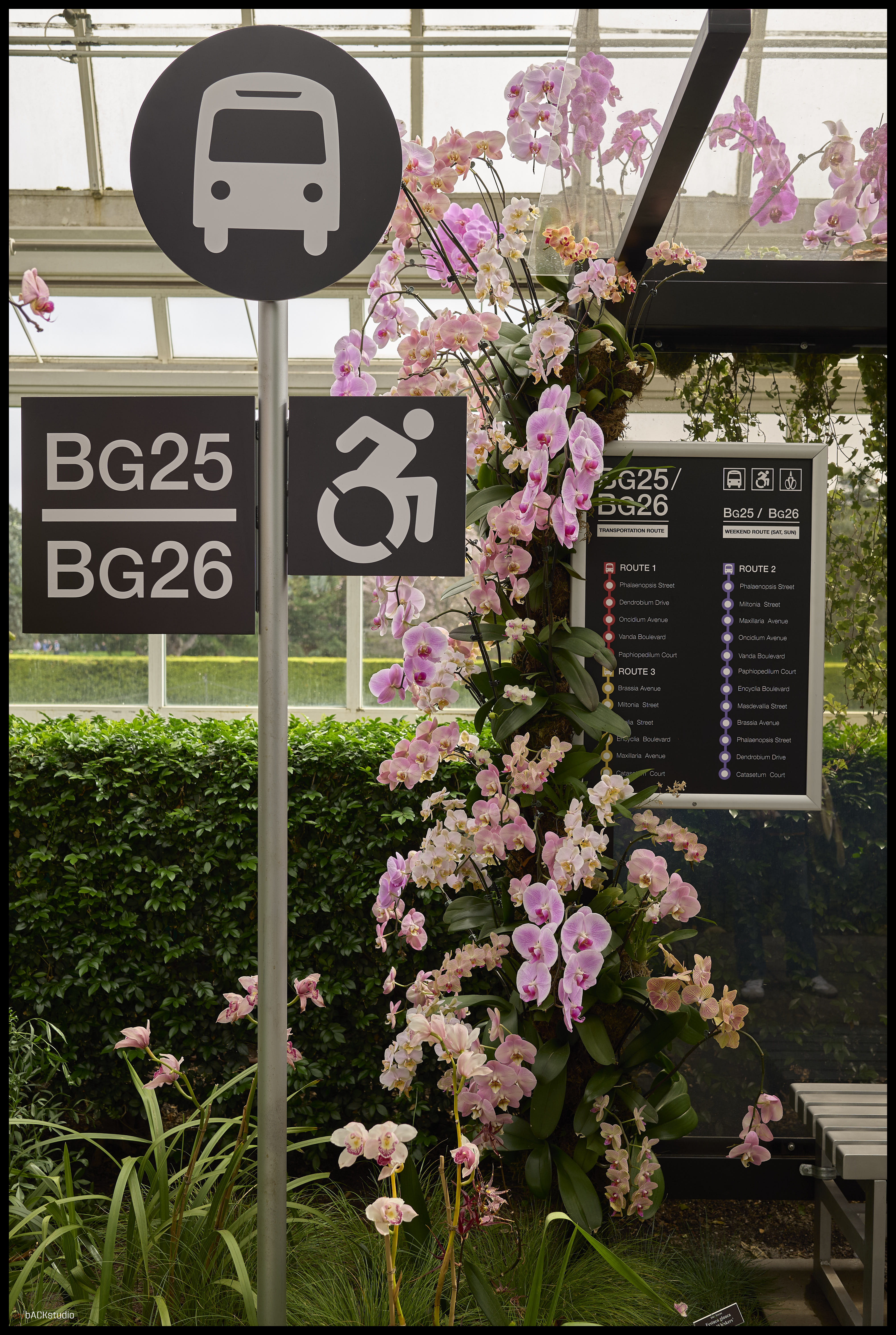
Mr. Flower Fantastic – Concrete Jungle exhibit at the New York Botanical Garden
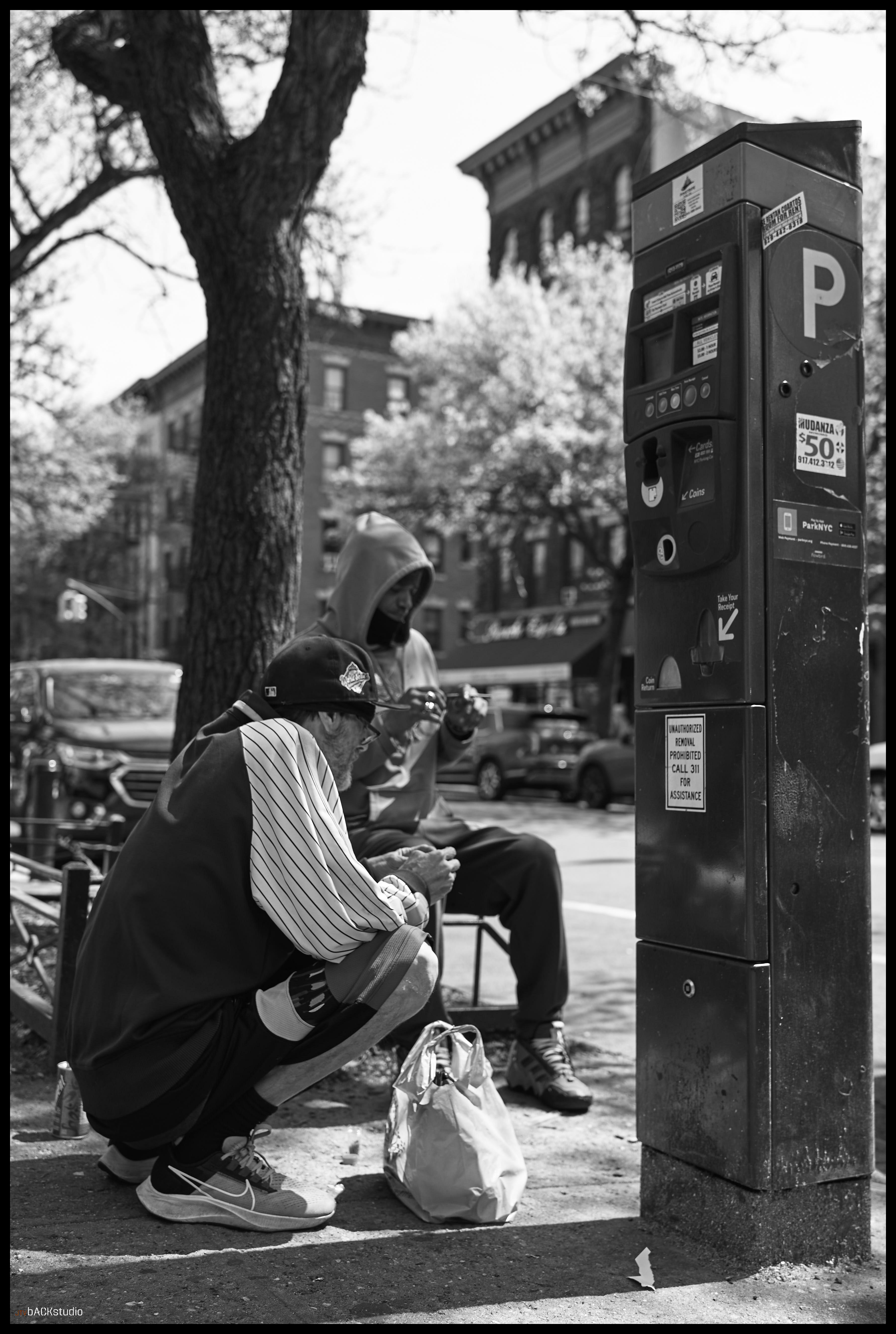
Arthur Ave (2026) Sigma Bf, 35mm DG DN
Ah, there it is, the same discussion still lingering my mind from more than 19 months ago, with a friend that insisted the artist’s intent has nothing to do with the experience of the art itself. We were discussing John Coltrane, and his opinion was that he need not to have a care in the world of Coltrane’s intent. I almost fell over. It’s a bold statement. Many in the world have described his playing as “genius.” Shouldn’t the intent of the genius be important to the listener?
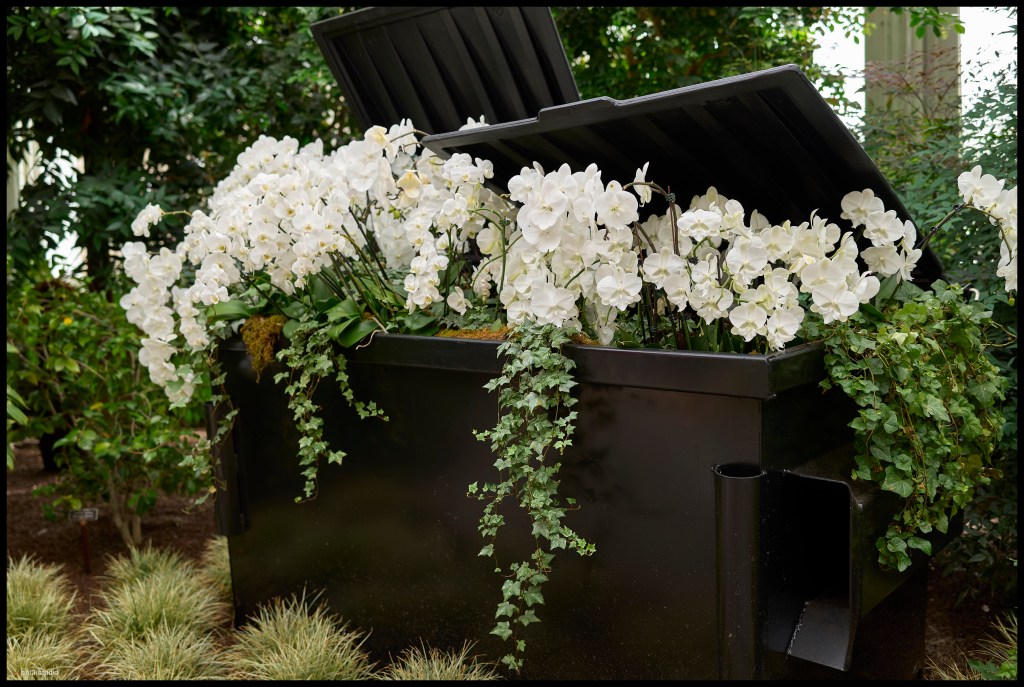
Mr. Flower Fantastic – Concrete Jungle exhibit at the New York Botanical Garden
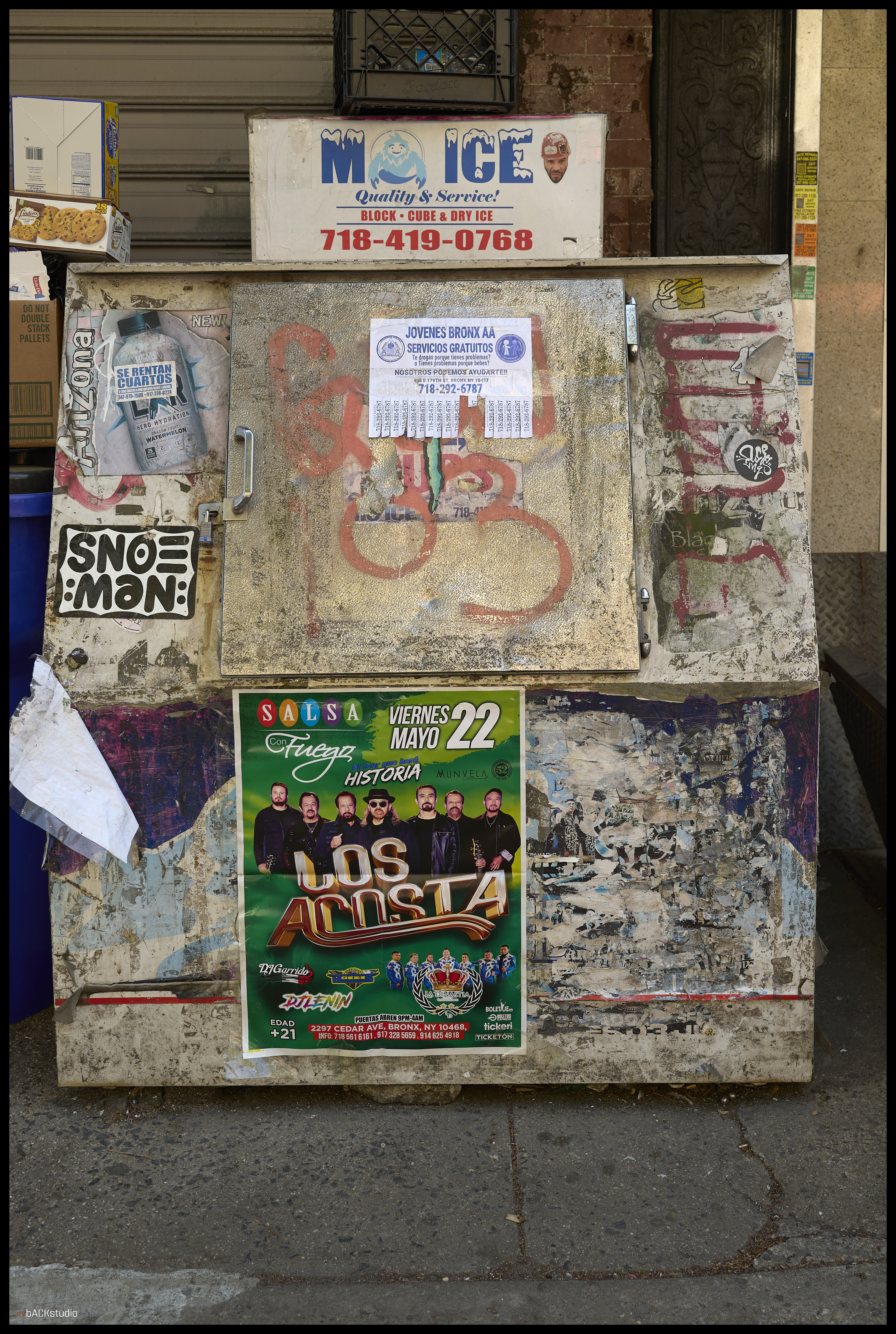
Arthur Ave (2026) Sigma Bf, 35mm DG DN
“And we see that a basic recreative mode is what the camera offers. In using this particular machine, one has no choice but to yield to the given and the now. It’s this surrender that is the great gift of photography, not only because the products of the camera can be uniquely moving to viewers, but even more so because of its beneficent effect on the maker.”
Perhaps the “here and now” moment in Carpenters quote above, isn’t just experienced by the artist but also by the patron…as they detach themselves from the “intent.”
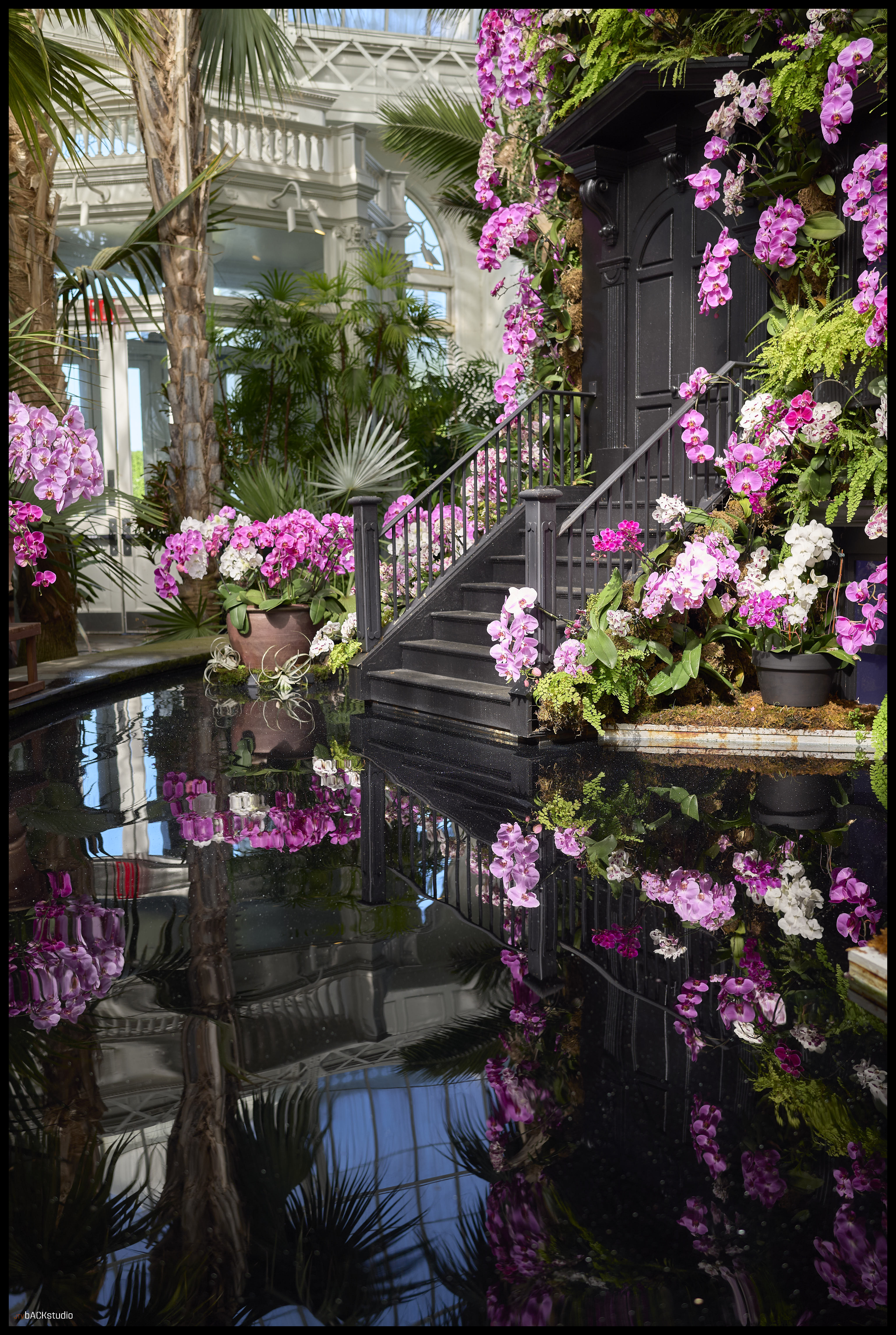
Mr. Flower Fantastic – Concrete Jungle exhibit at the New York Botanical Garden
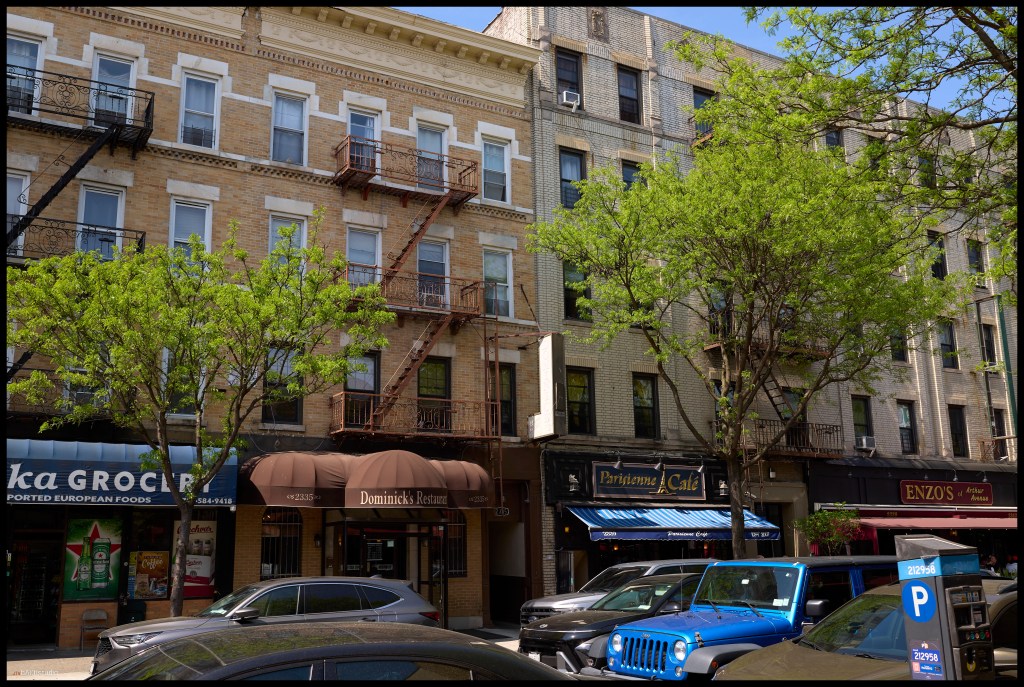
Arthur Ave (2026) Sigma Bf, 35mm DG DN
And now for the conundrum, if the artist can only perform in the here and now, then can the listener only listen or the viewer only view the art in the hear (here) and now? Can we, as humans, completely shut out the rest of the world, wipe our memories, subdue our emotions, shed all our biases for the sake of creating something, and DO WE WISH TO DO THESE THINGS WHEN EXPERIENCING SOMETHING? If this isn’t possible, wouldn’t the artists’s intent play into the experience
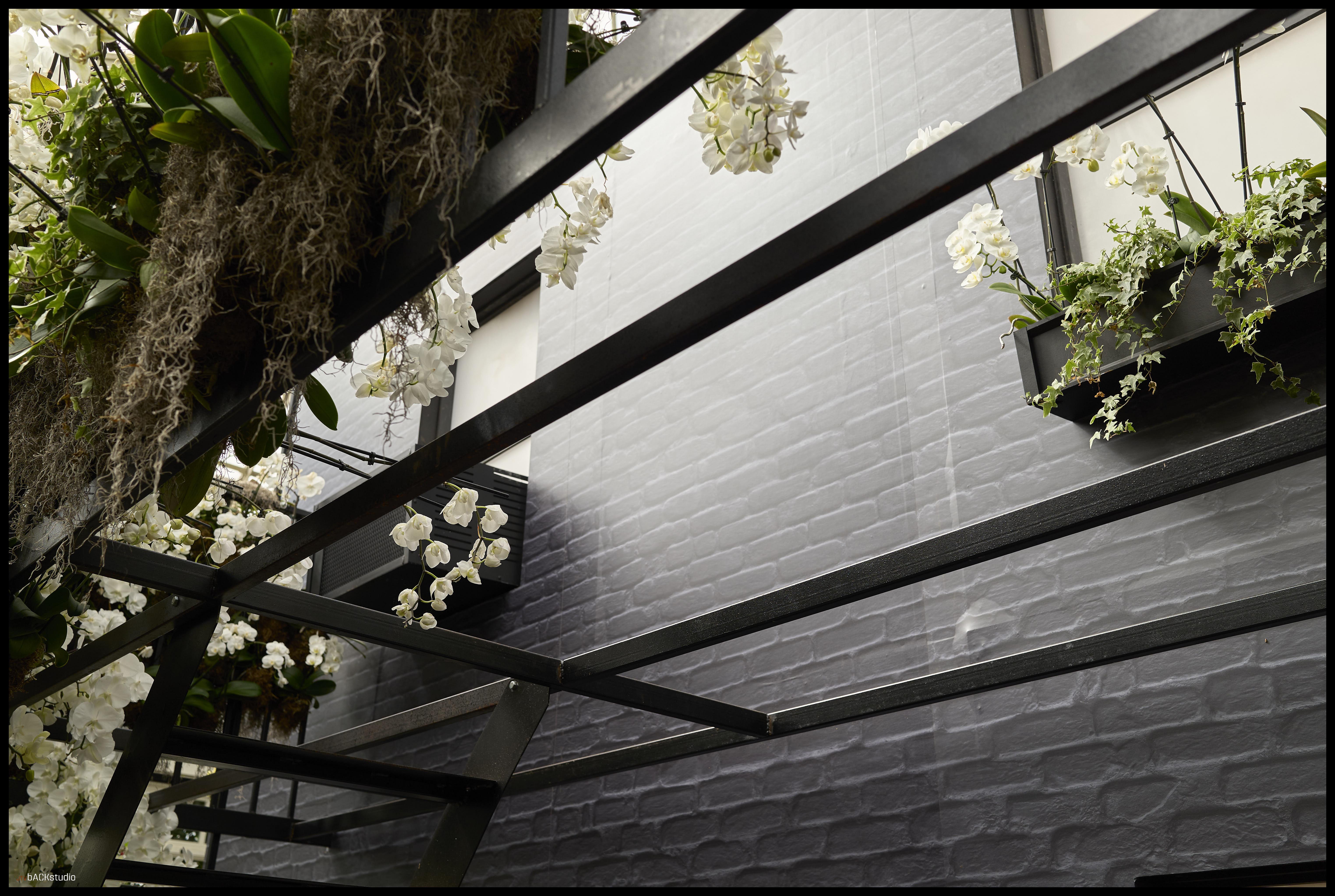
Mr. Flower Fantastic – Concrete Jungle exhibit at the New York Botanical Garden
Arthur Ave (2026) Sigma Bf, 35mm DG DN
The same friend whom asserted that the artist’s intent factors little in the experience of the art, asked why there was such prevalence of heroin use and subsequent deaths by jazz musicians in the 1940s and 1950s. If the artistic experience is one of escape into the present, the artist of those decades entered a space (of the “here and now”) by shedding ingrained fears of of mankind’s technological ability to obliterate its species from the face of the earth coupled with an extreme form of moralistic relativism. A relativism that saw the justification of poverty, racism, corporatism, stereotypes, and the invention of weapons able to completely annihilate a species as some sort of necessary defense of America’s destiny and exceptionalism. So long as you worshipped a God and did your job, you were contributing to your nation’s survival. Could heroin use have provided a form of escape form this moral relativism, this American exceptionalism, in which (in this specific instance) the musician was able to wipe themselves of preconceived notions and biases required to free themselves from the world of moral indifference? Was heroin used as a tool of Carpenter’s described “de-creation,” to allow artists the ability to just be in the singular moment?
Mr. Flower Fantastic – Concrete Jungle exhibit at the New York Botanical Garden
Arthur Ave (2026) Sigma Bf, 35mm DG DN
If one thinks about this, a tremendous amount of courage is required to perform this simple task of de-creation. One could argue that the process described by Carpenter is akin to breaking down what makes us unique or… our feelings of exceptionalism. We must confront our banality or moral ambiguities, the seemingly oversimplified task of survival and eventually, our inevitable deaths. For Carpenter, a certain uniqueness comes from this confrontation. Meaning.
Mr. Flower Fantastic – Concrete Jungle exhibit at the New York Botanical Garden
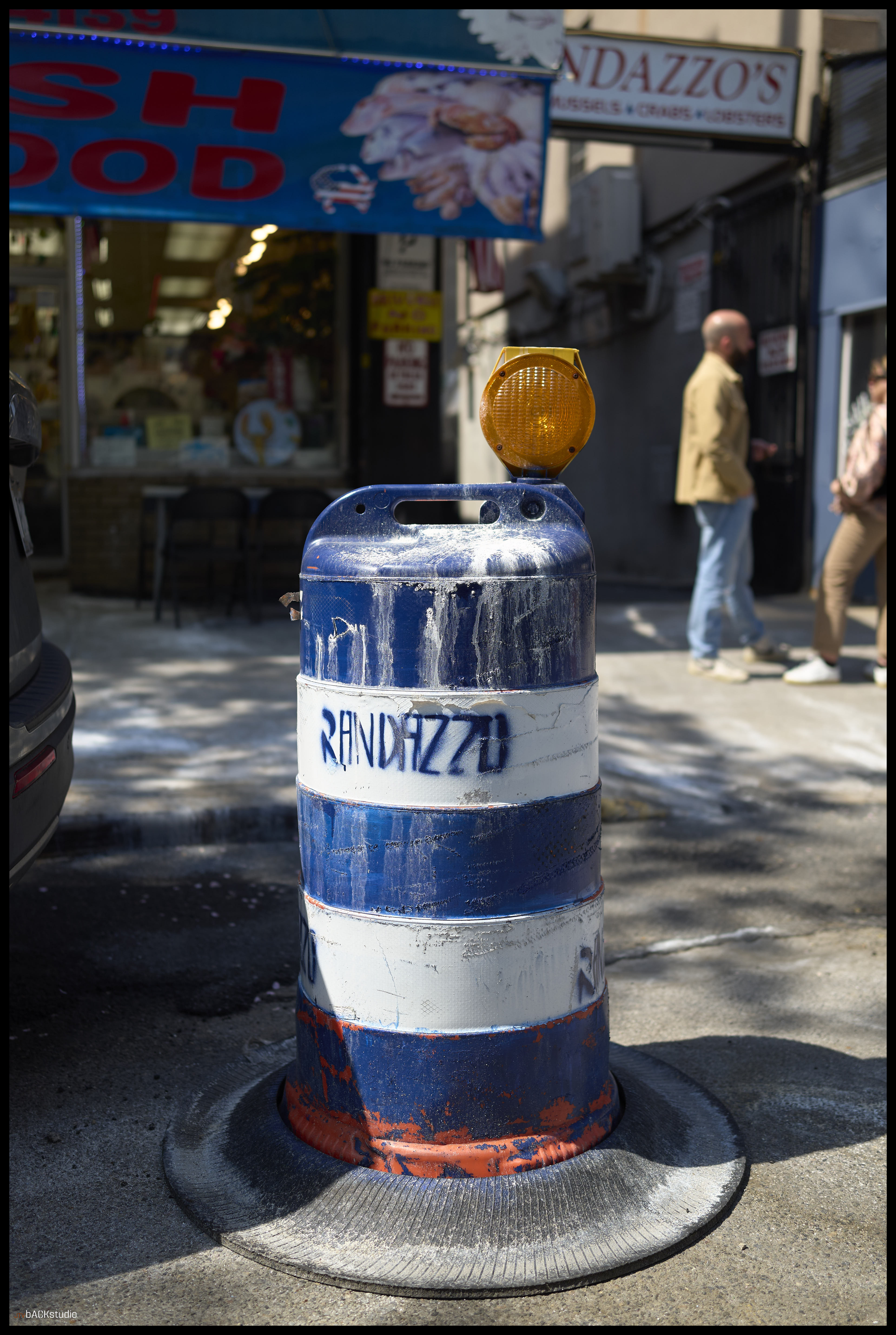
Arthur Ave (2026) Sigma Bf, 35mm DG DN
There is s distinction made for Carpenter. The process by which a photographer must create a photo is separate from the process by which an observer views it. I suppose this is a distinction which applies to the entire art world. Are the intentions of the artist of any consequence to the person experiencing the art?
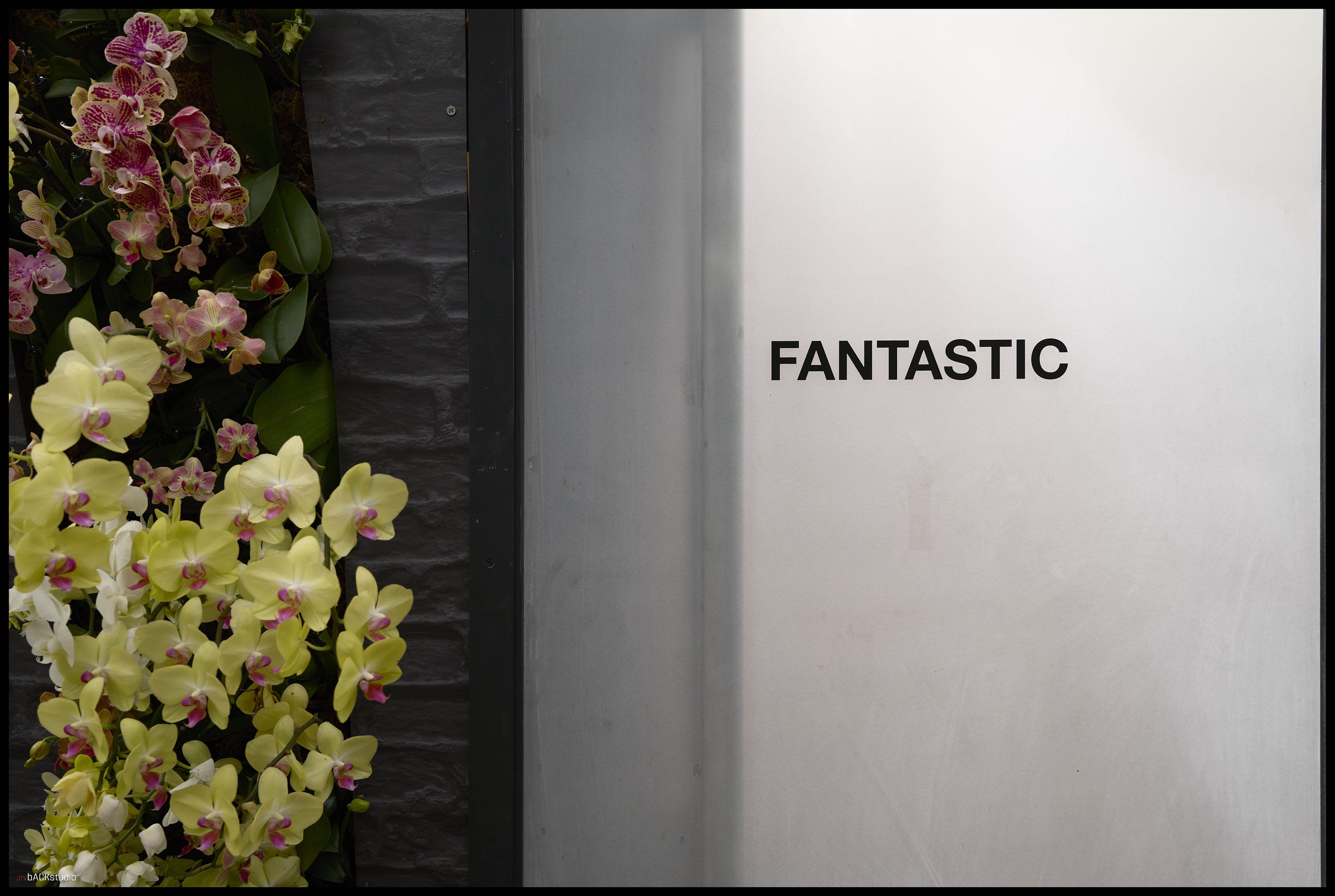
Mr. Flower Fantastic – Concrete Jungle exhibit at the New York Botanical Garden
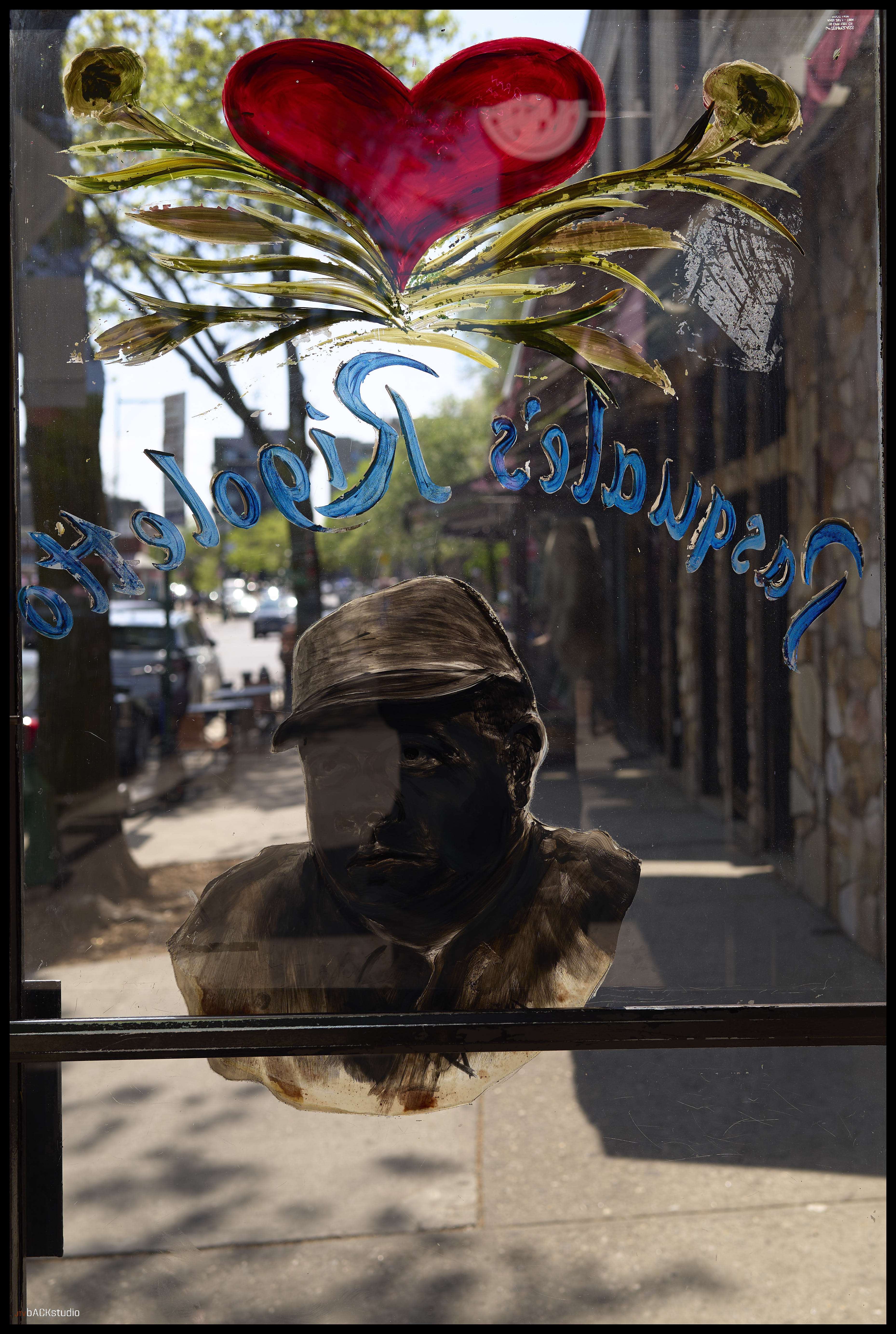
Arthur Ave (2026) Sigma Bf, 35mm DG DN
A part of me says “no, the artist’s intent has no bearing on the observer” and another, the architect in me, says “yes, the architect’s intent has a lot to do with the experience of the observer.” One position copes with the reality of the moment and one dwells in the imaginations of observer and artist.
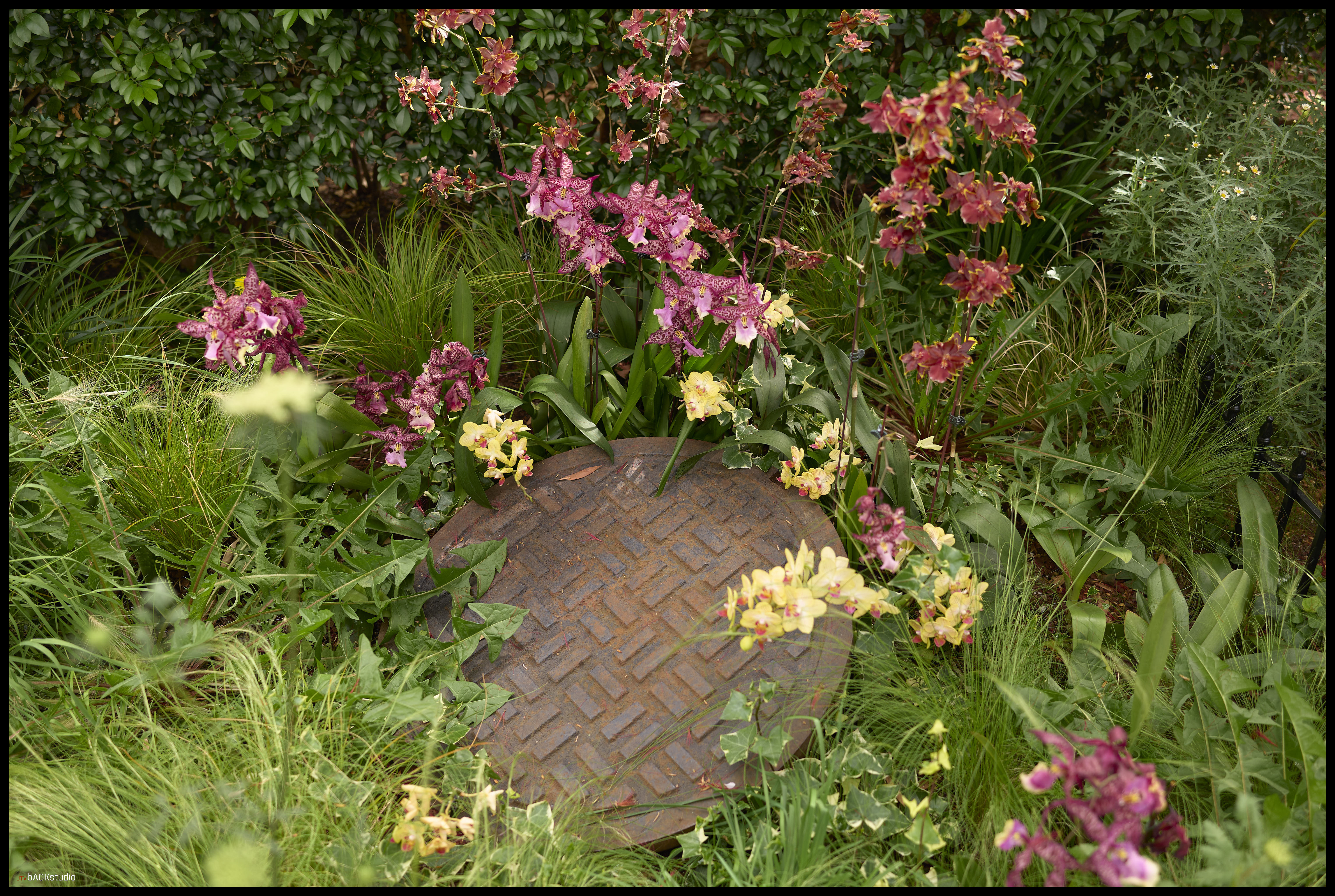
Mr. Flower Fantastic – Concrete Jungle exhibit at the New York Botanical Garden
As I try to wind up these long winded ruminations, I think memory invokes a kind of knowledge, a knowing, of something that conjures comfort, or nostalgia, or trauma, or emotion, or feeling. And THIS is where, for me, the photograph provides an ESCAPE for the viewer. While the photographer has the luxury of escaping preconceptions and memory to be only in the present and actual, it is very short and fleeting. It is the act of capturing something else, outside of this world, which can be a tool or object to help others also negotiate it. The act of capturing a photograph is like an unearthing or exploration into the discovery of meaning.
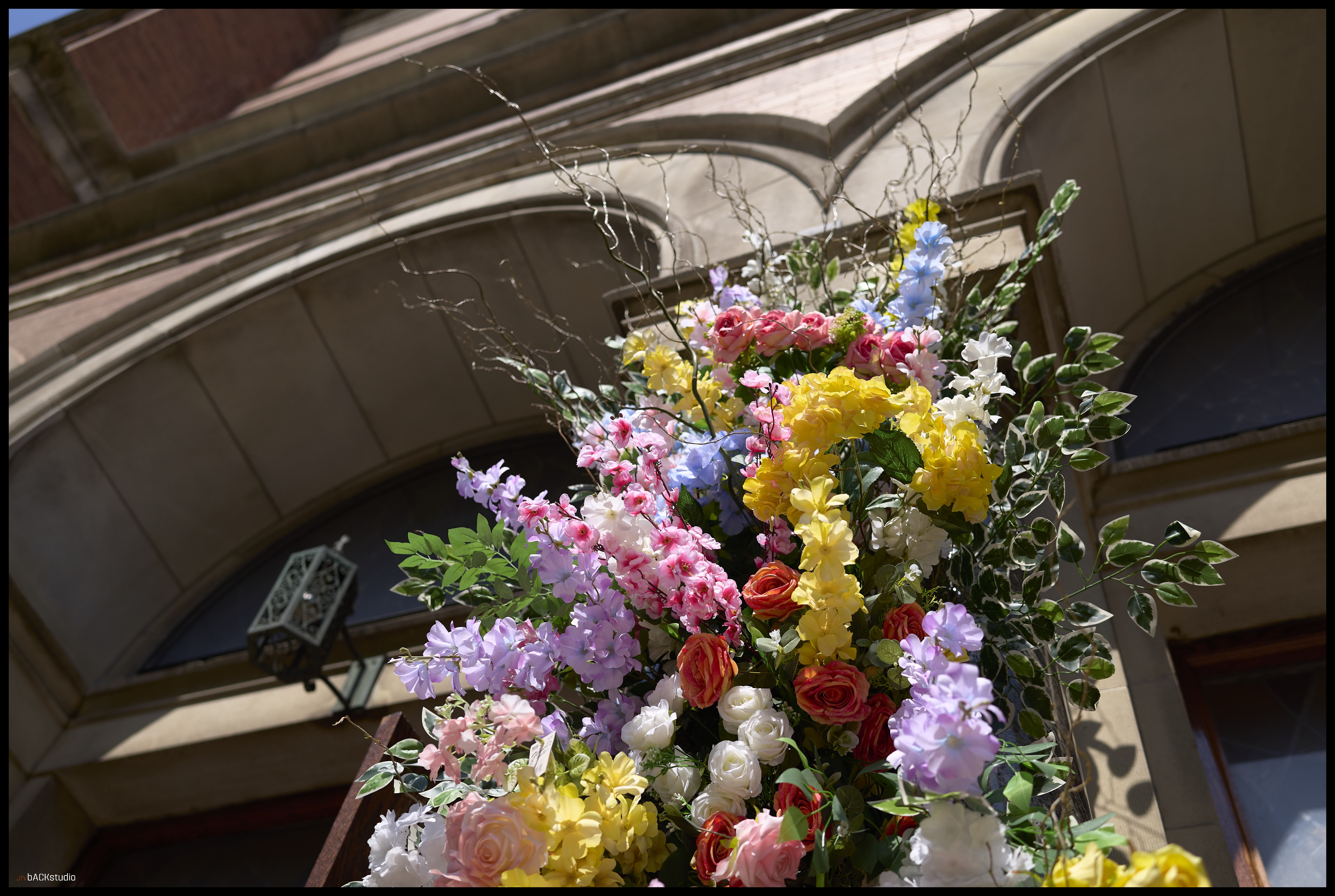
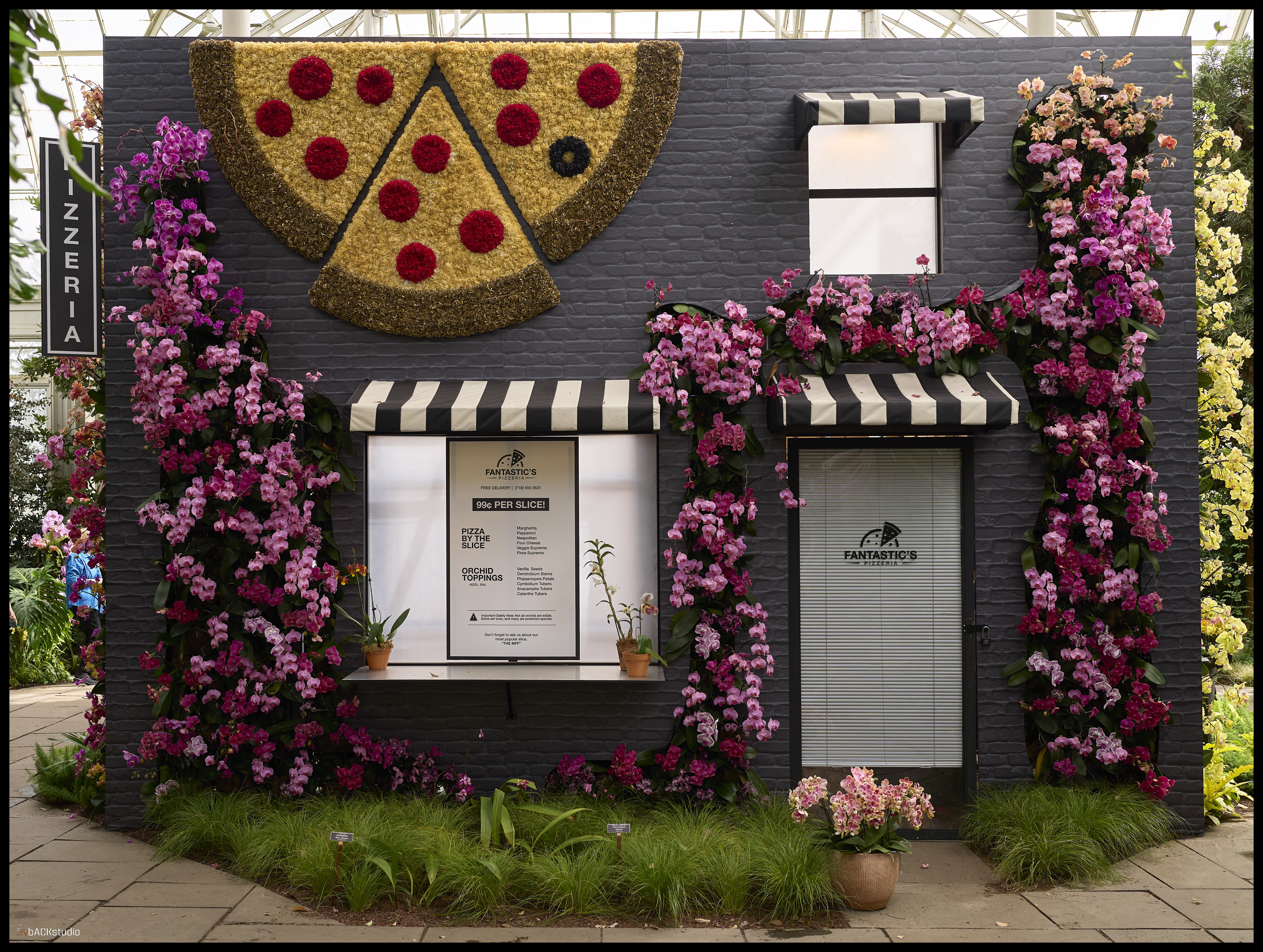
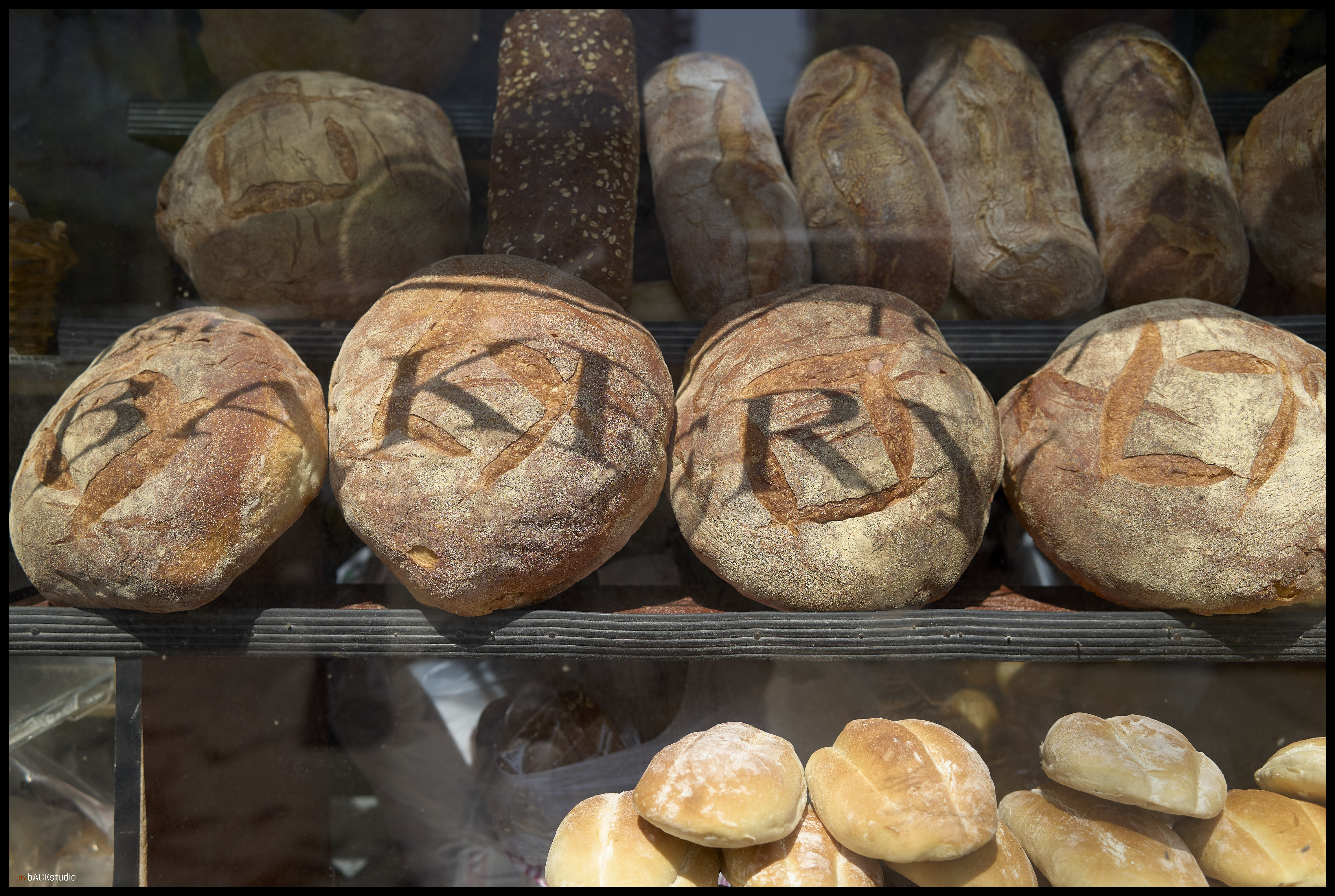
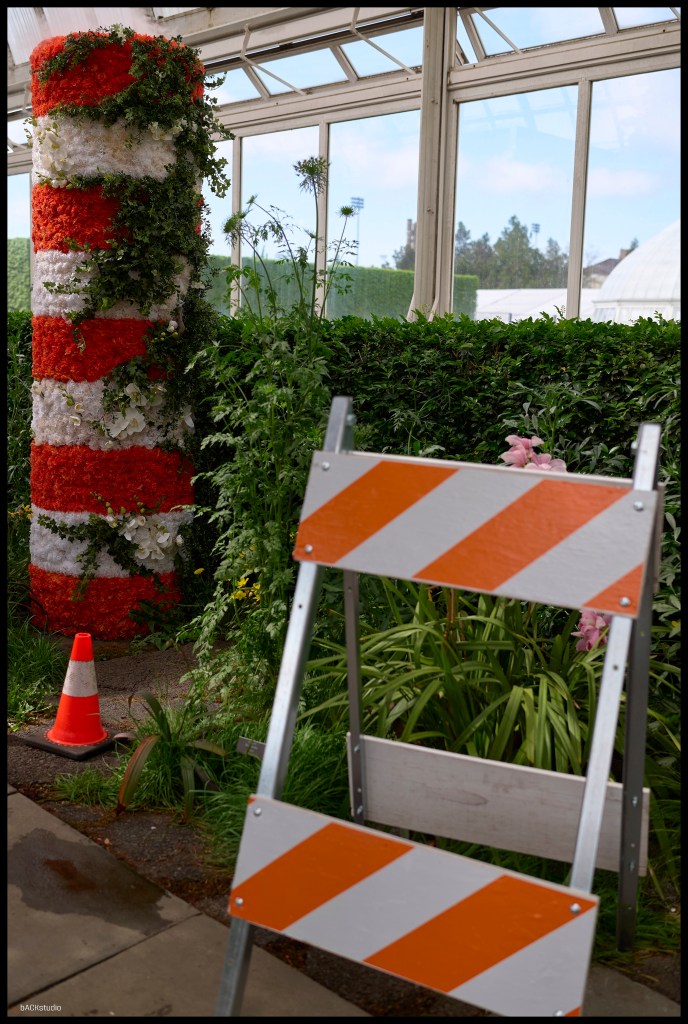
The photos above were taken on an outing to the NYBG morning trip to see the Mr. Flower Fantastic Concrete Jungle 2026 Exhibit. An installation in the Conservatory, in which the anonymous artist forces the viewer to contemplate the gritty imperfections of a built environment by creatively using a multitude of delicate orchid varieties to recreate recognizable urban objects and scenes. In contrast, I have included photos taken that same afternoon after eating lunch on Arthur Avenue in the Bronx, a short distance from the NYBG. The comparison of materials, objects and colors which revealed themselves between Arthur Avenue’s street scenes vs. the exhibit’s staged scenes, both seen that same day, are intentional.



Leave a Reply