
Fresh Language Warning:
In college,I had a friend/classmate studying architecture. The project, or “charrette” as we sometimes called them (always a French word to make us feel adult, intellectual and important), was an exercise in the exploration, use and recognition of color. Our task was to best recreate a color picture with a collage of assembled color cutouts from other pictures. The process in this seemingly straightforward endeavor was simple: draw the picture you obtained from a magazine, in pencil, on a large poster board, find dozens of discarded magazines, flip through them for color pictures…and begin the process of cutting them into very small (think .5cm x .5cm) pieces of paper material to be categorized into ROYGBV (red, orange, yellow, etc) piles for use in your picture. Finally, we were to agonize over color matching, trimming, size selection, and the making of on-the-fly adjustments…I think you are starting to see the challenges to this adult kindergarten shit show.
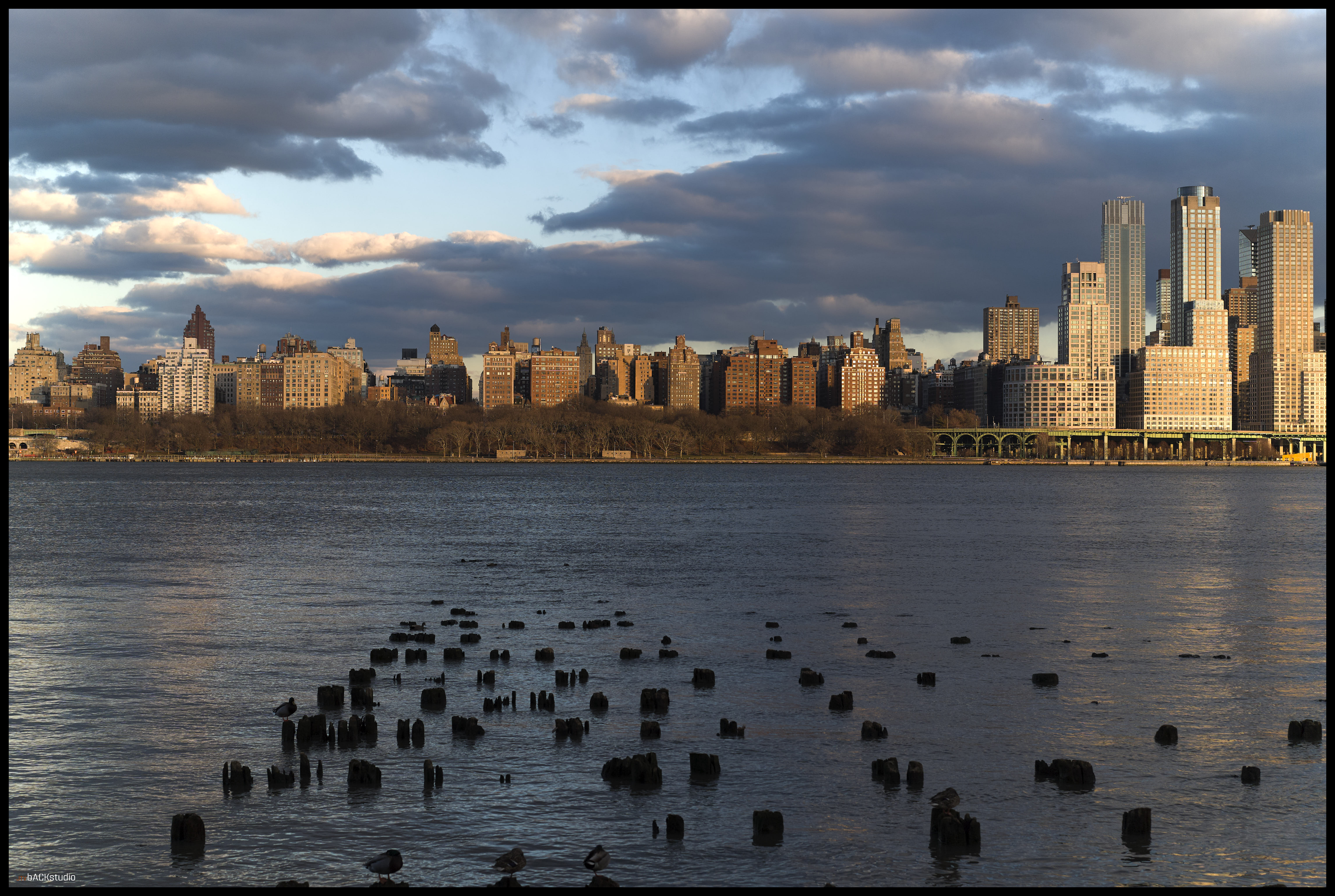
“But if was easy, anyone can do it…”
Challenge 1: draw the scene. Since none of us had yet experienced much, if any, drawing by way of instruction, this was, to say the least, challenging. Issues of perspective, scale, etc. threw a monkey wrench in the first few hours of this sadistic assignment, especially for those that selected pictures including complicated geometry or perspective (think foreshortening).
Challenge 2: Organization of cutouts was near impossible as hundreds or thousands of little color swatches flooded our desks, floor, window sills, and every other conceivable crack, fissure or flat surface in our back studio; lifted and blown in the wind when the window was opened to ventilate 2 day old stale air from the 25 bodies that had spent more than 24 hours straight in that space. It stank and it rained color. Other classes? Who went to other classes, we were collaging…(verb?)
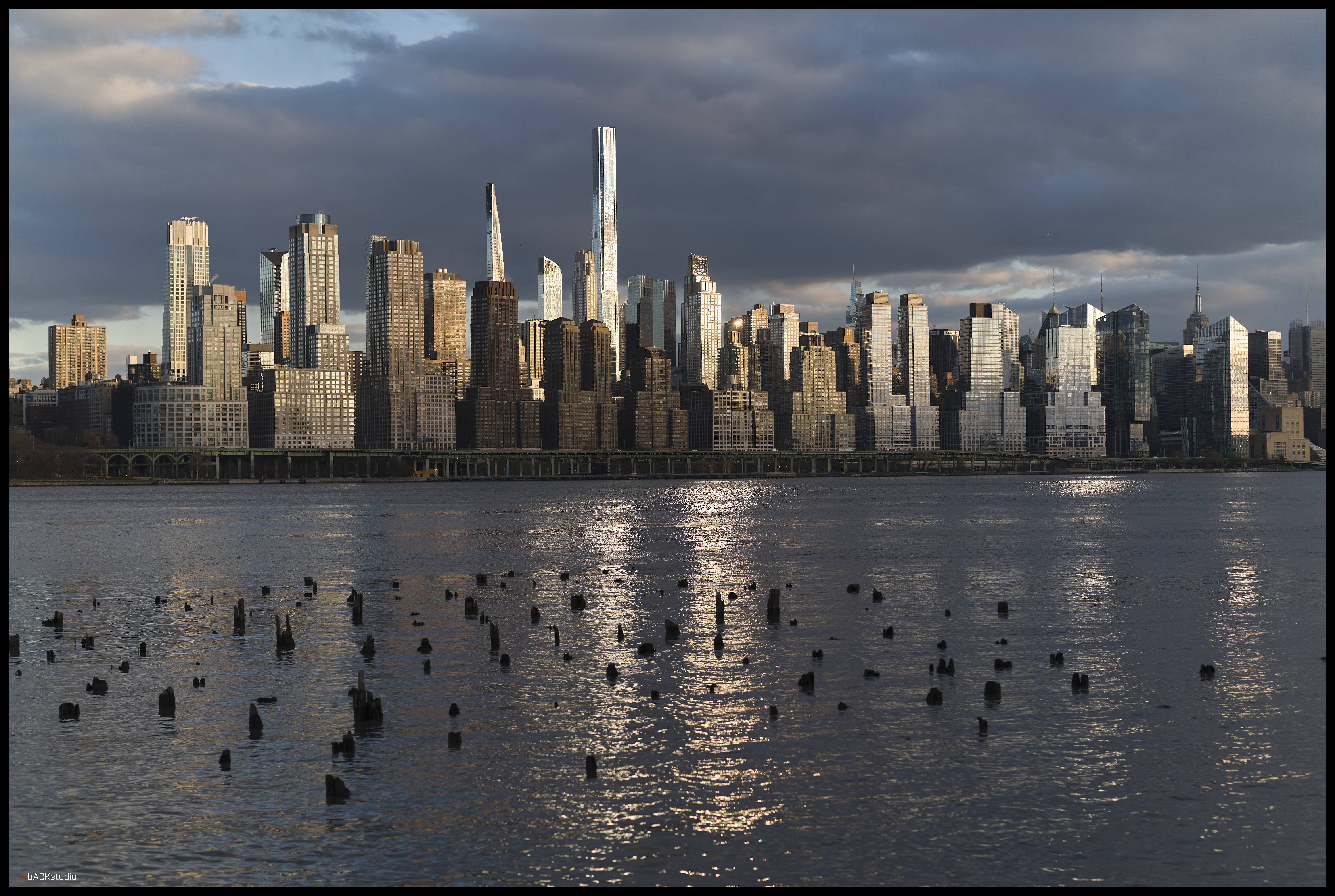
Challenge 3: few of us had experience painting, color drawing, or basic knowledge of the color wheel. “That looks brown…” “ I thought more tan…” “It has mauve in it…” “What’s mauve?”
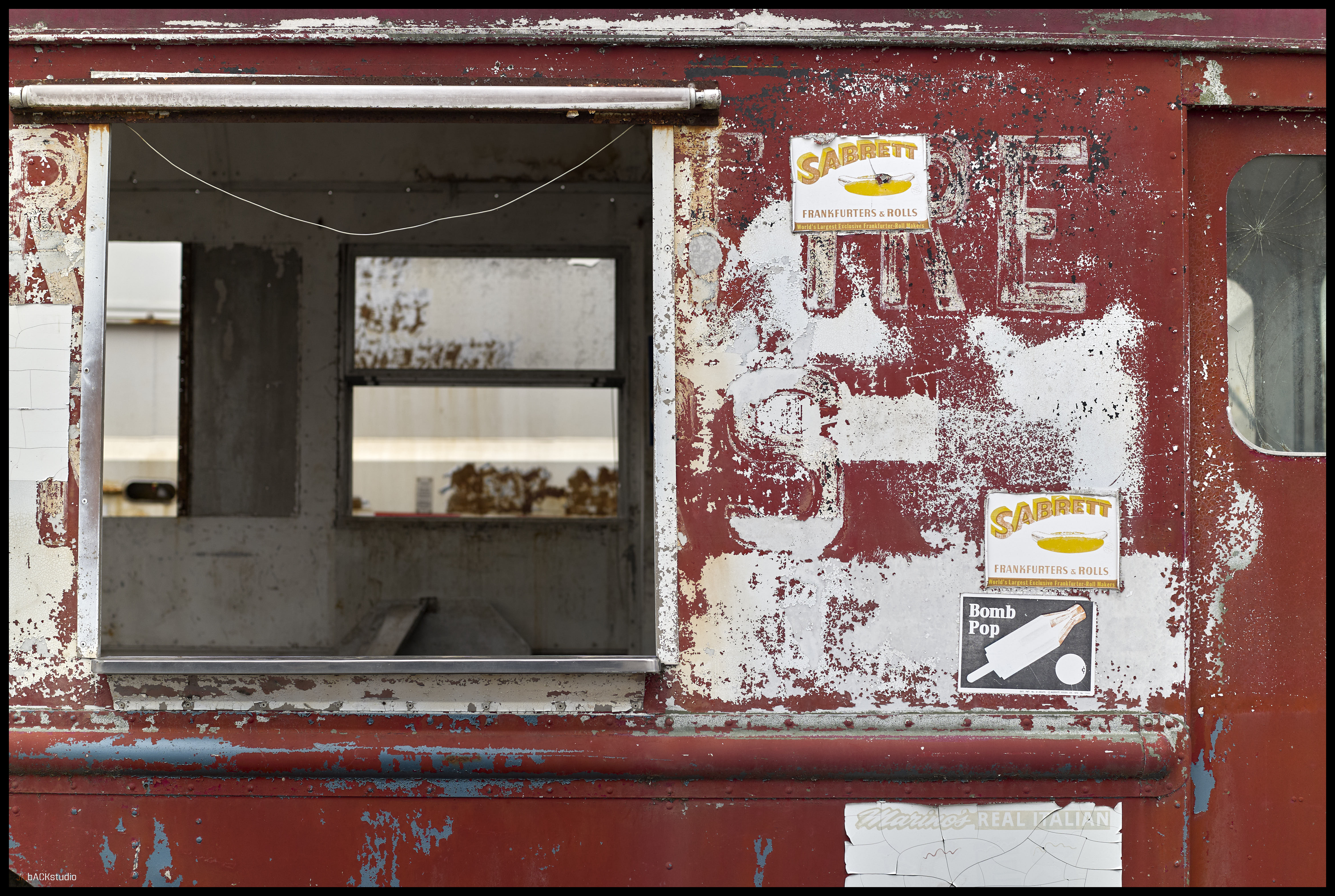
The collages were submitted two days after they were assigned and the results were very telling. The most successful projects were patient explorations in shade and tones, subtle differentiations achieved by interpreting the photo like an impressionist painting. Those that used impressionist art as inspiration, well, they did just fine. Those that picked inspiring pics stuck with them, caught up in the methodology and understanding of the original maker’s intent. Those classmates “got it,” I didn’t. My result was comical, what started as a patient exercise in color matching eventually transformed into the time saving efforts of finding ever larger swatches of color to be used for areas with more detail. The final product looked like some Jekyll and Hyde thing that never resolved itself. “Is that a picture of a bedroom or someone’s garage?” Train wreck. I don’t mean it was a picture of a train wreck, only that the final result could have been confused with one.

I suppose I began to take shortcuts after I realized I was re-creating a VERY mundane picture that required some type of detail in the “boring” areas of the picture as well. Maybe, even more so, for this was where the color made the image interesting. Unfortunately, by the time I was at this portion of the pic, my patience had waned. I wasn’t raging, but I was close. The “subject of the picture” was “not important,” our professors told us. Or was it? I remember my photo being an advertisement of some kind (1980’s furniture or carpet?). Simply put, my project was burned within 24hours of being returned, but not after it was displayed and criticized, my ego bludgeoned. Freshman year was tough: 88 or so in the class at the start of the year, less than 55 or so by year’s end. Graduation was brutal: 23 of us (+/- 1) walked together to receive our diplomas. The sane left, refusing to be part of the colorfully insane, I guess.
What about that buddy I mentioned in the beginning?
Spat (name changed for privacy 😉) was colorblind. No one knew this fact until, and I shit you not, he unsuccessfully pled with the faculty of his disadvantage in seeking a different assignment. The argument by faculty at the time (if I remember correctly), was that the reproduction could be measured by how faithful it looked when compared to the original. “Faith” was the only tool in his shed for this debacle. To his credit, he tried to explain that faith wasn’t going to cut it and that their measure of his performance would be a crock of shit since color blindness is not uniform across the light spectrum, but rather, selective in wavelengths. Colors don’t just switch at a specific wavelength, but transform gradually. As a result, he was at a disadvantage to create a collage project that relied on color transitions for its success. Not to be too technical, but I bought into his argument. (He had both green and red color perception challenges, if I recall.) The faculty thought the “charrette” a worthy experience for him and graded him…without compensation for his abilities. I guess you could say they graded him on his faith.

He failed this assignment.
After it was complete, his collage was pinned up next to the original. When asked what he gained from this exercise, he responded, to the class and faculty: “I haven’t a fucking clue.”
What I learned:
The subject means something. In the case of the visual arts, the use of color (or lack of color) becomes part of the work and, therefore, its interpretive reconstruction.
Seeing color is a gift we take for granted.
Forcing someone to see the color in things gives that person a greater appreciation of it (unless they are colorblind).
Seeing color can be different for everyone.
For those seeking more info on colorblindness simulations and corrections:
 Amateur in photography. Amateur in life.
Leave a comment