
Ocean Grove is a community in Neptune, New Jersey originally formed in the mid-late 1800s by Methodist ministers as a religious retreat location for parishioners…or as they called it then…a camp meeting community. It is the one of the longest active communities of its type in the United States.
What is a “camp meeting community,” you ask? I asked the same question. (It doesn’t seem to come up too often in everyday conversation.) AI came to the answer, and after checking its sources and explanation (hardly any), I am convinced I can share it with the casual blog reader.
“Camp meeting communities originated on the American frontier (c. 1799–1801), primarily driven by Presbyterians and Methodists to provide worship for underserved, sparsely populated areas. These temporary, multi-day outdoor revivalsfeatured preaching, hymn singing, and, sometimes, massive crowds (10,000–20,000+), fostering intense spiritual and social connection. By the late 19th century, many evolved into permanent, Methodist-led, Victorian-era, summer cottage communities (e.g., Ocean Grove, NJ), blending religious devotion with leisure.”
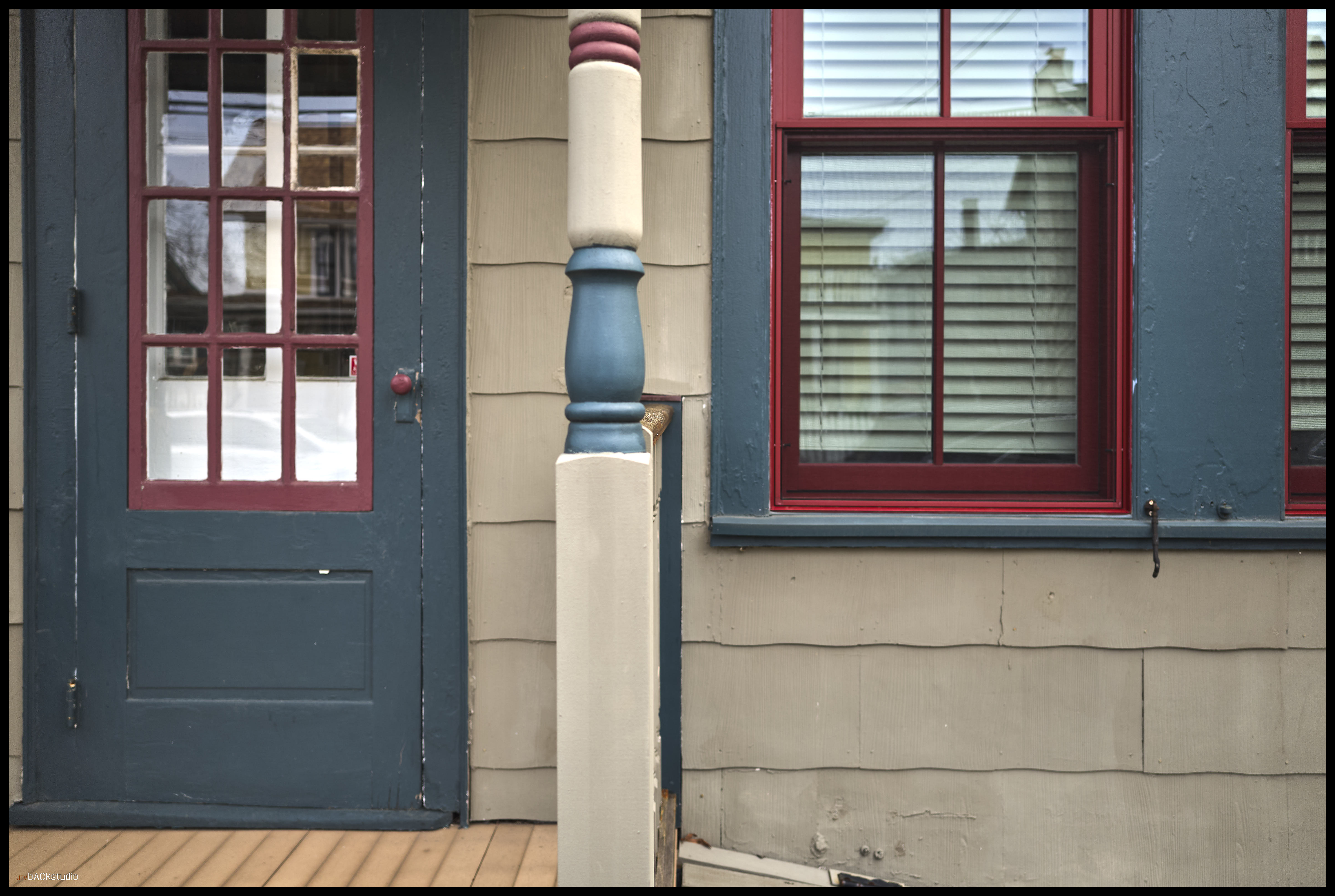
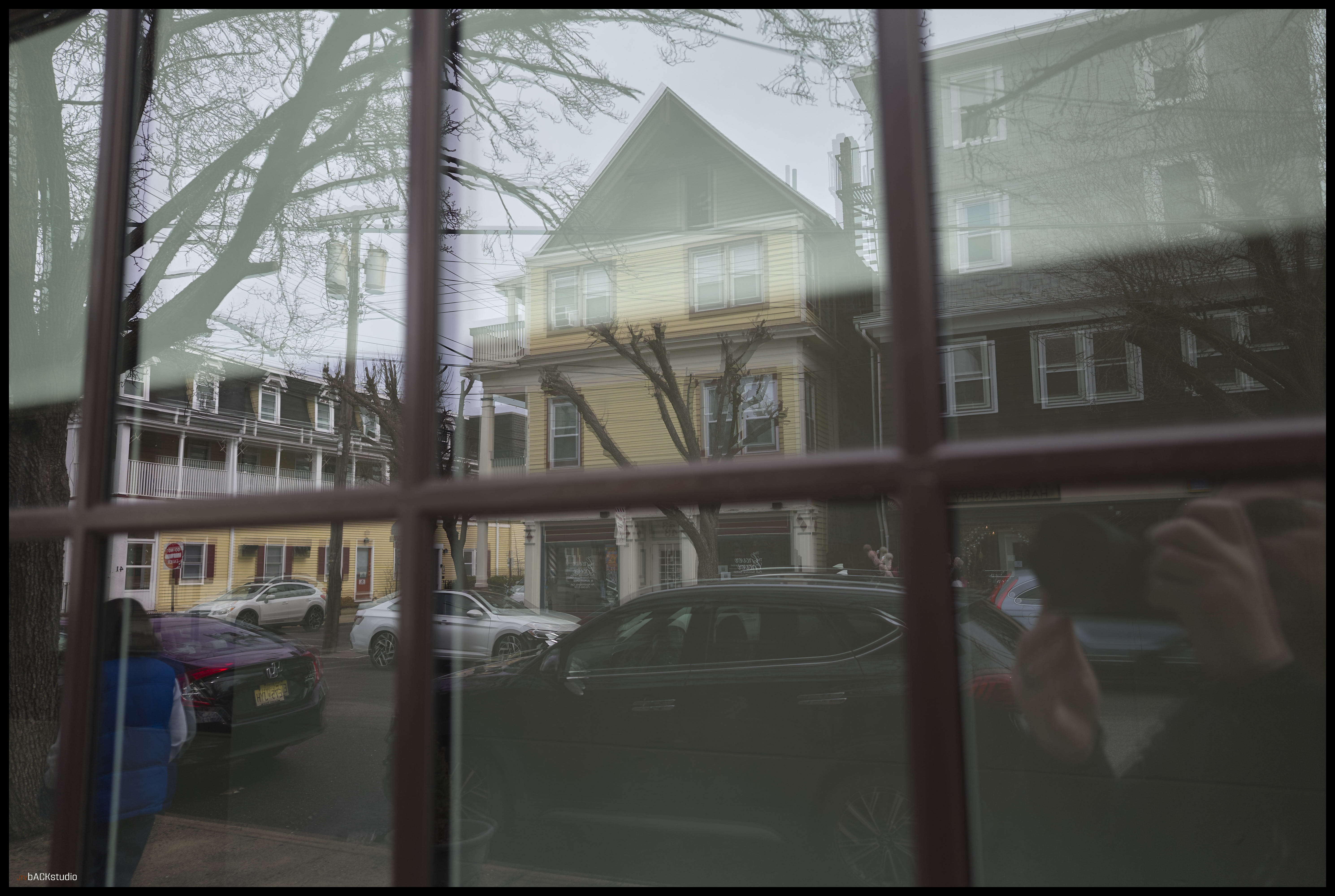
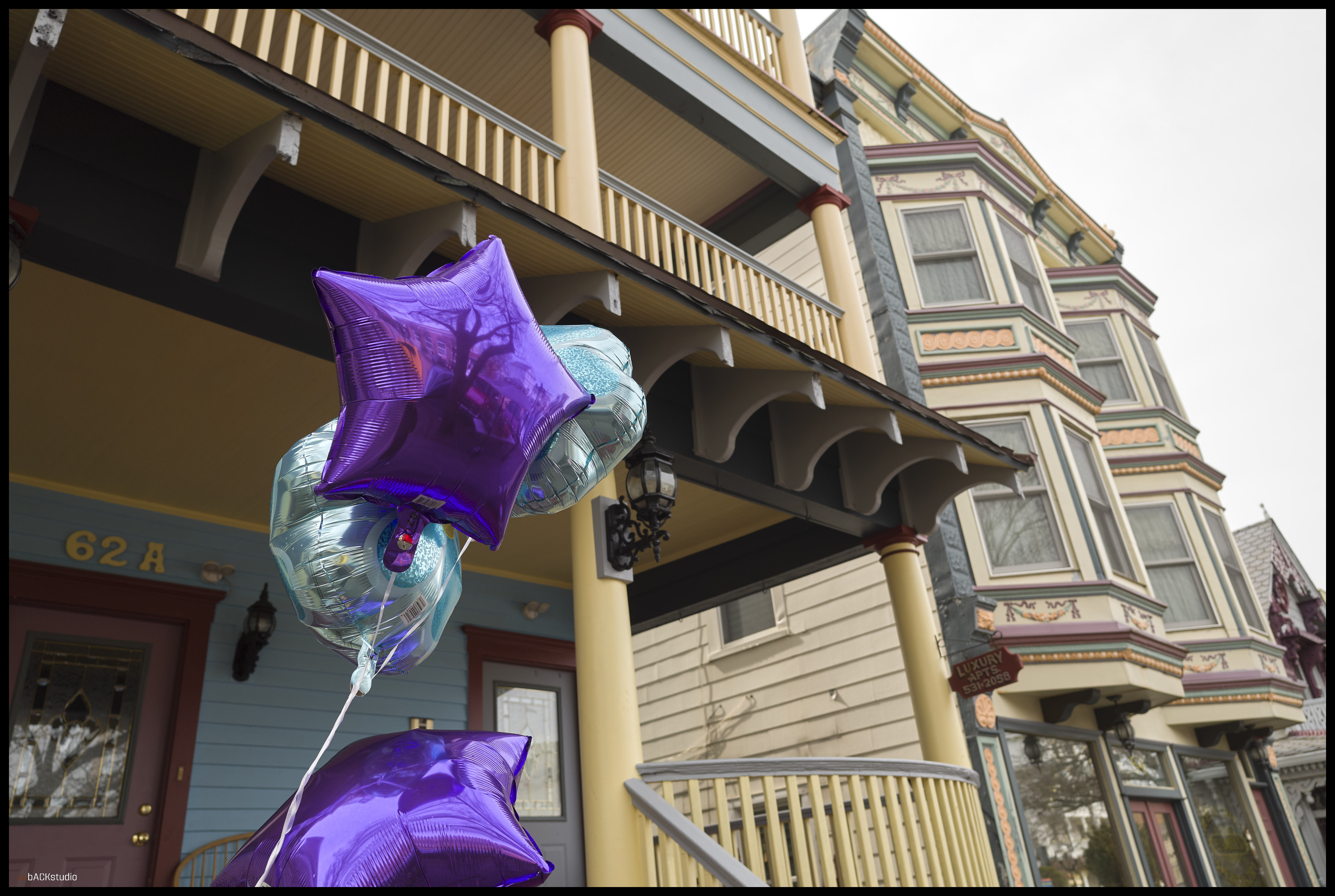
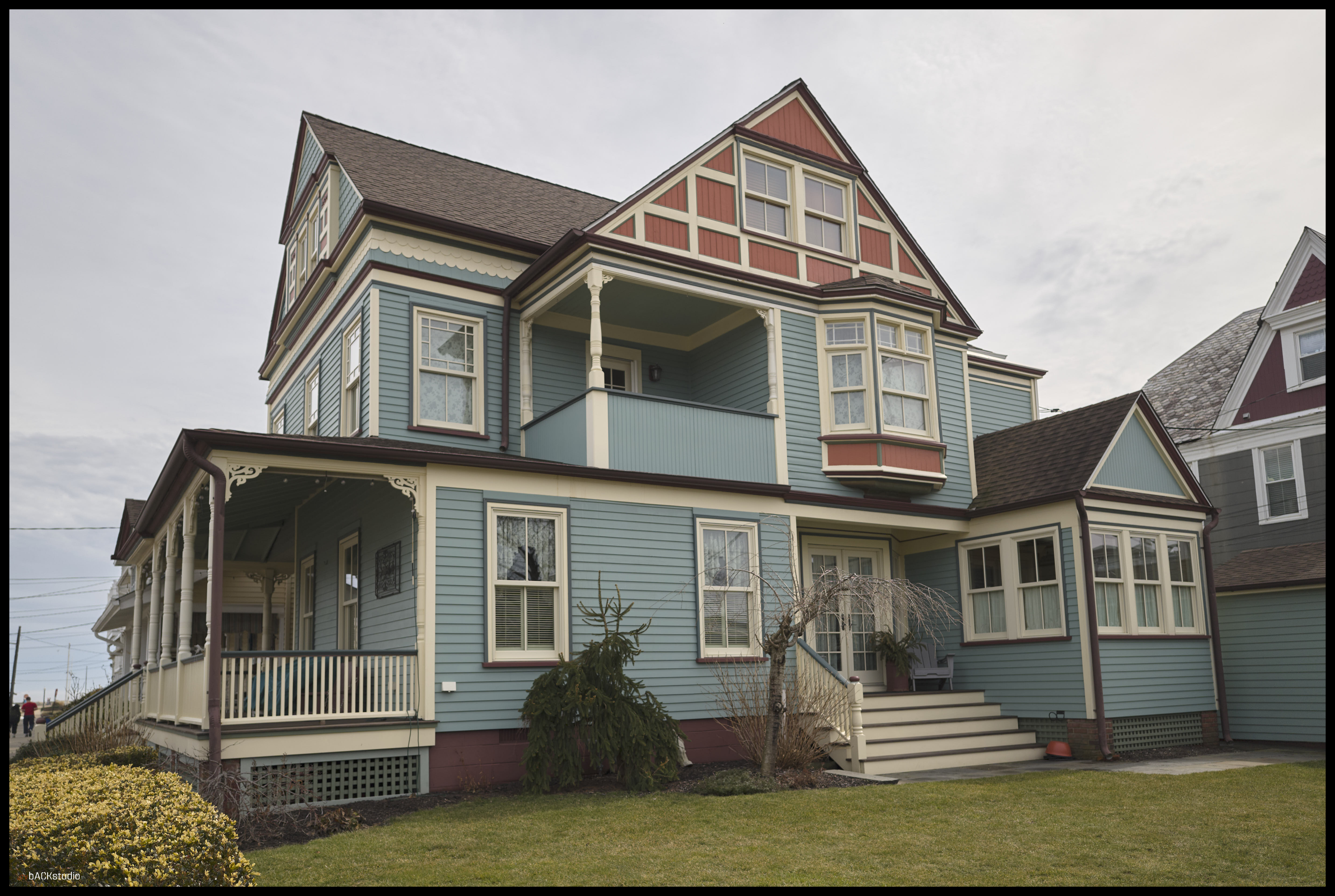
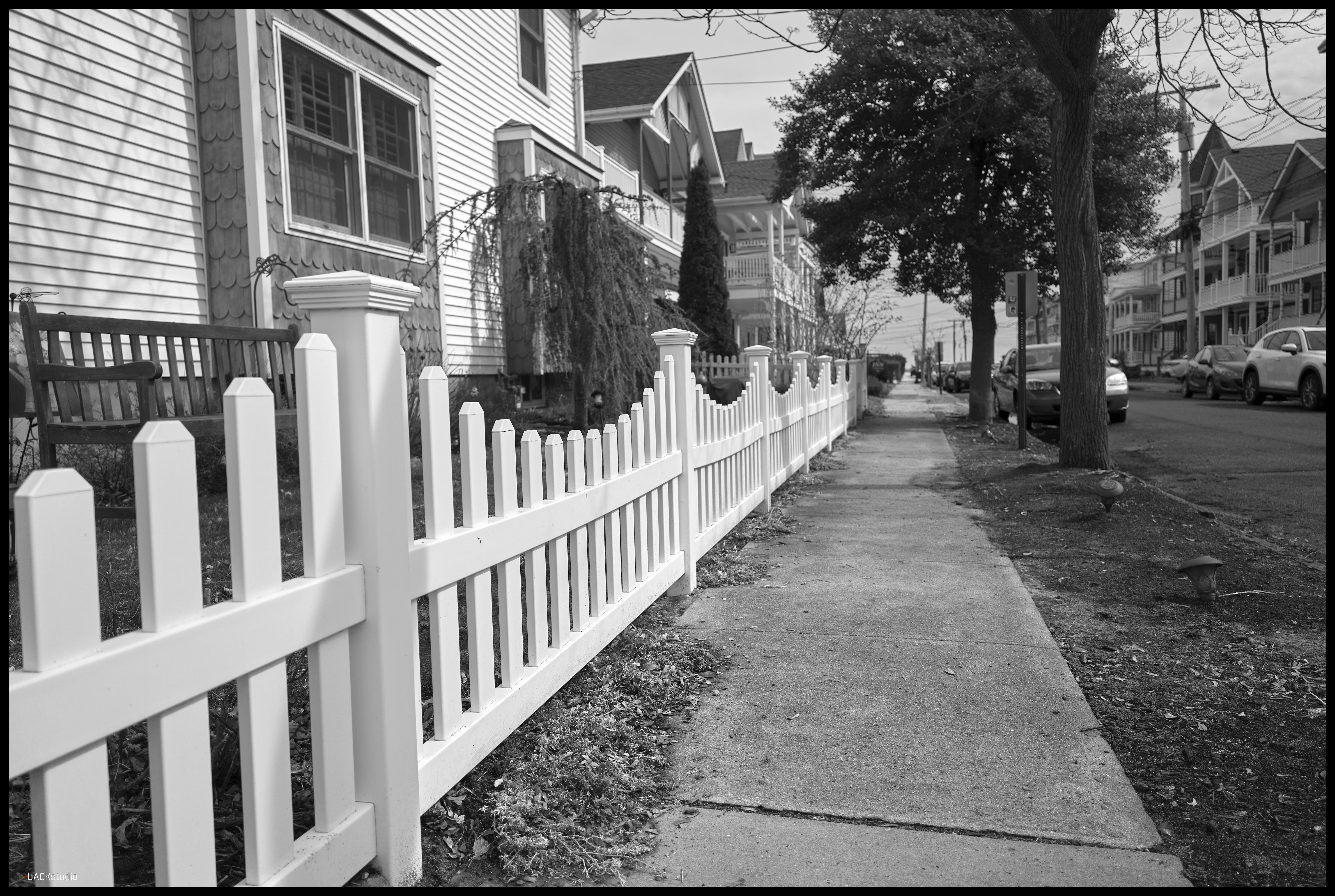
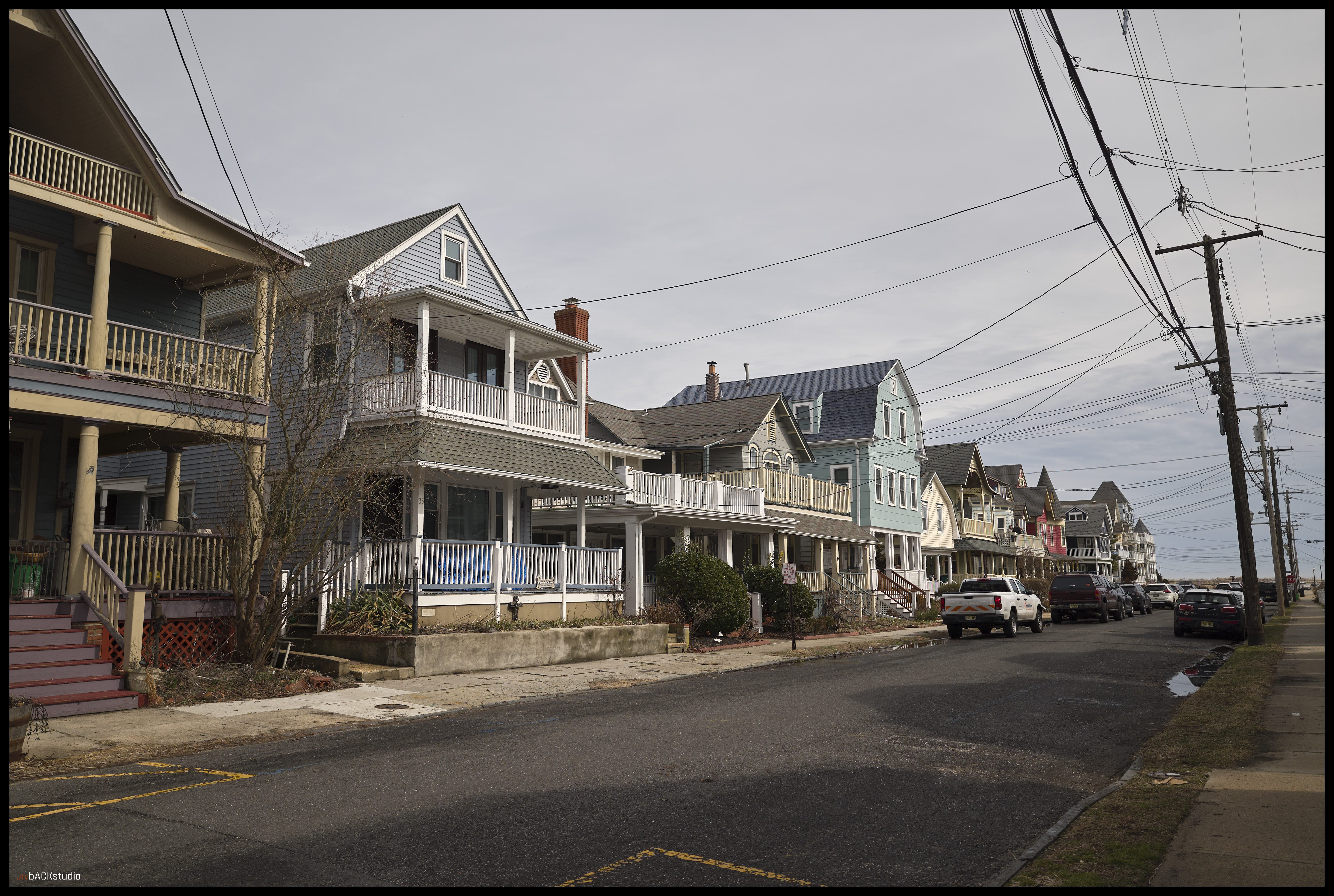
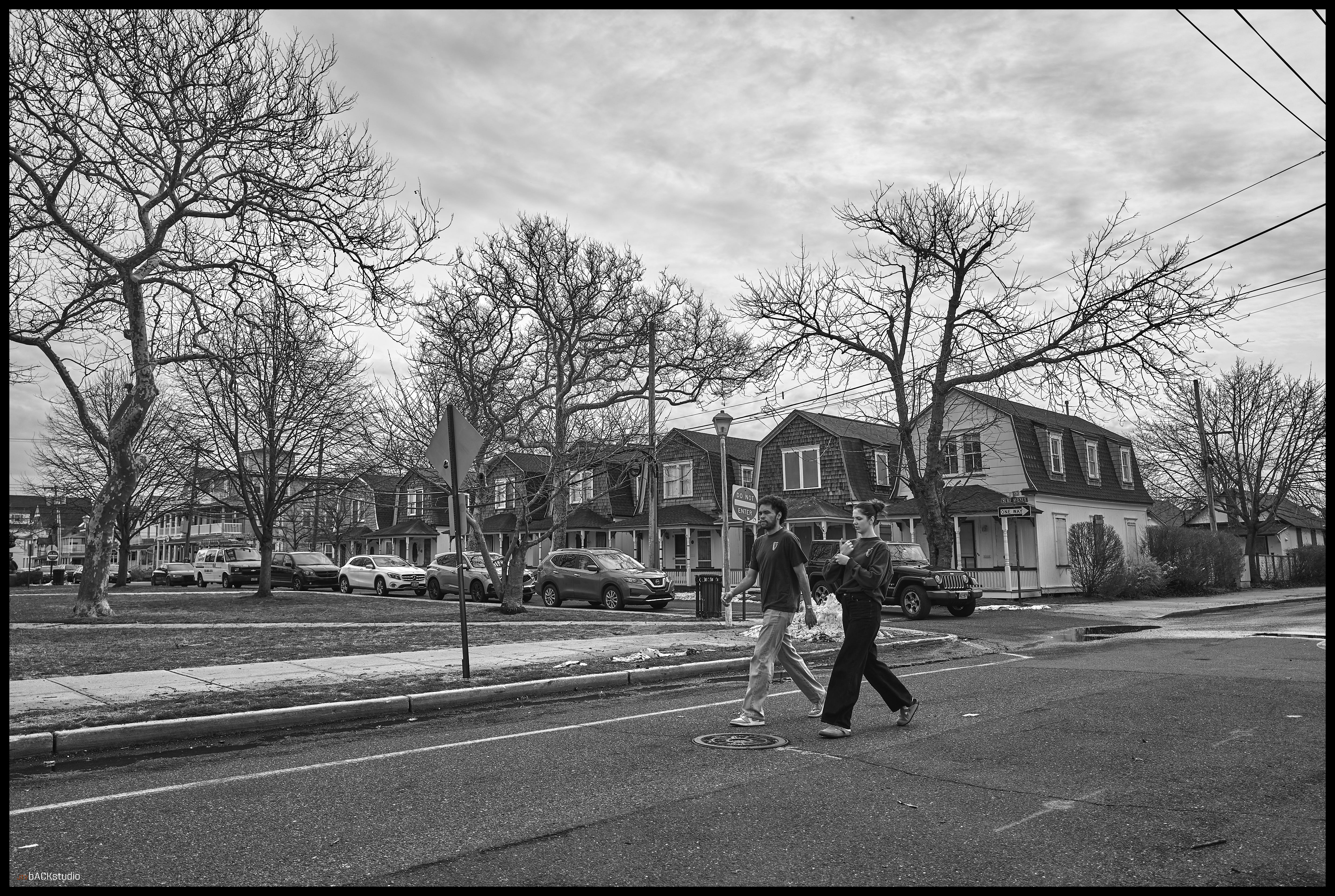
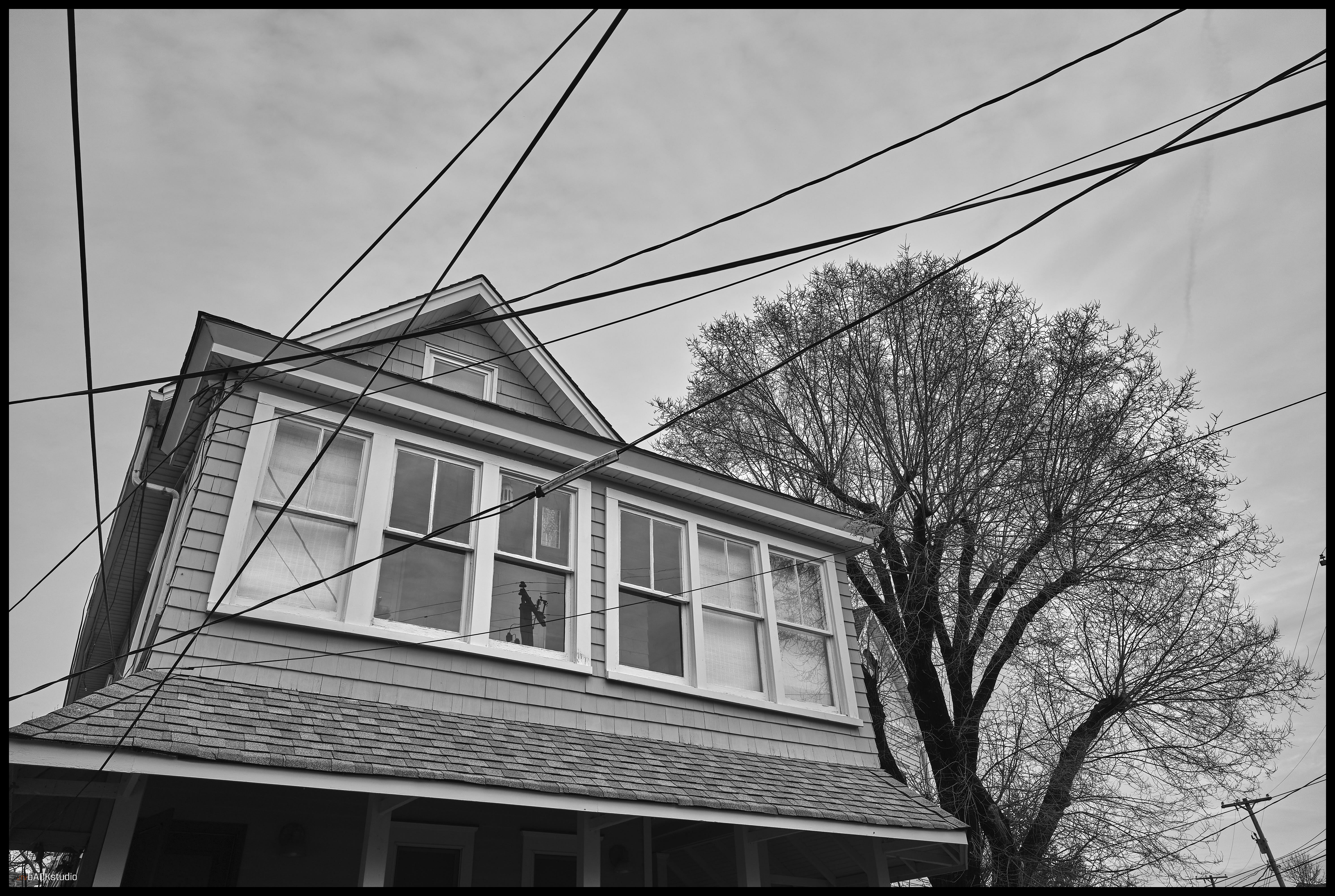
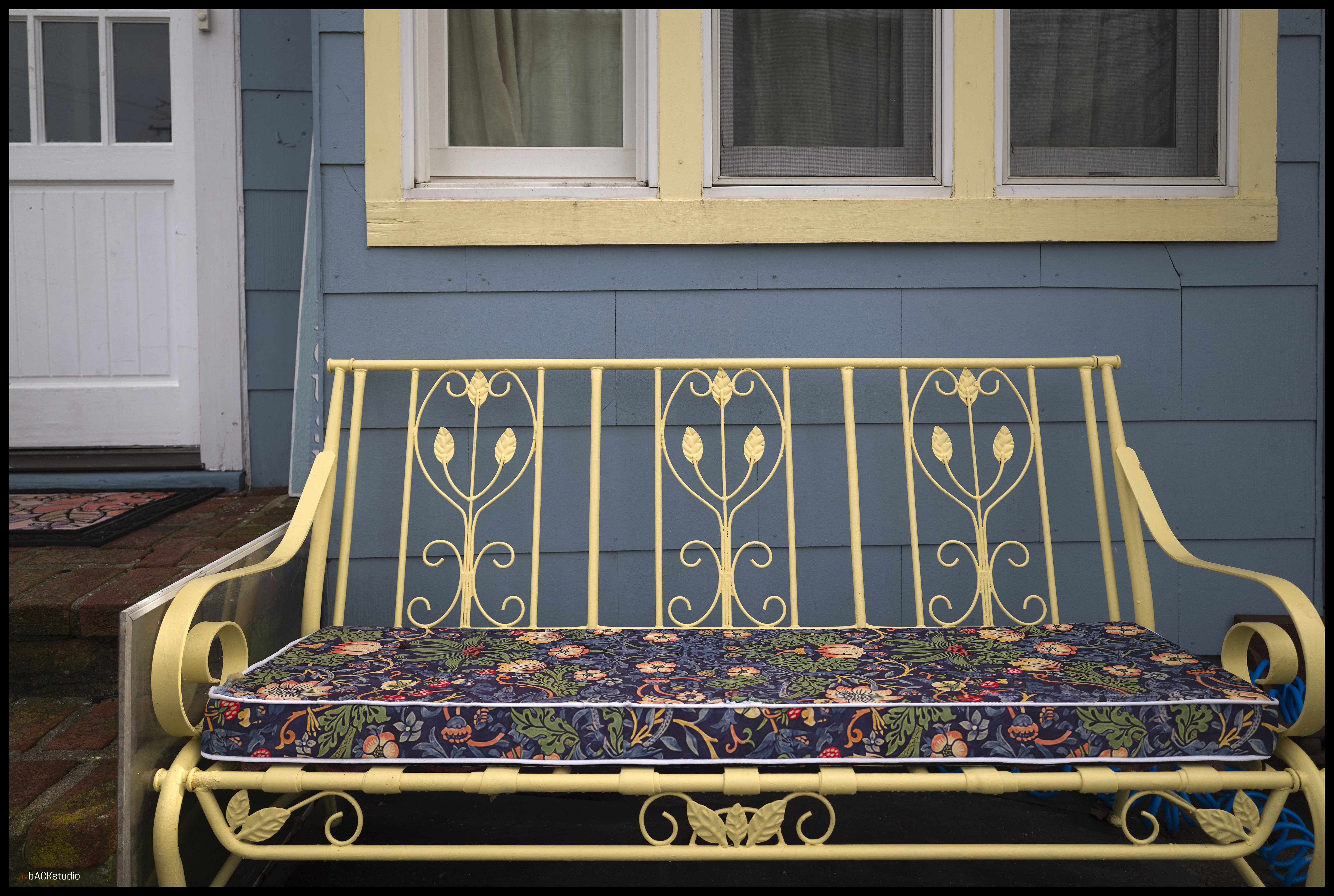
I know little about Ocean Grove, but what is obvious, upon arriving nearest its physical center, is its prevalence of Victorian style architecture. Steep roofs, bay windows, different color trim and siding, vertically proportioned windows with similarly proportioned dividing lites, porches and turned rails, eave detailing, and more fine examples of the style, abound along its well proportioned streets (not very wide, not too narrow) and fairly small front, side and rear yard setbacks. Yes, the houses are close to one another. It is a “community” after all, but one that dates to the pre-automobile age.
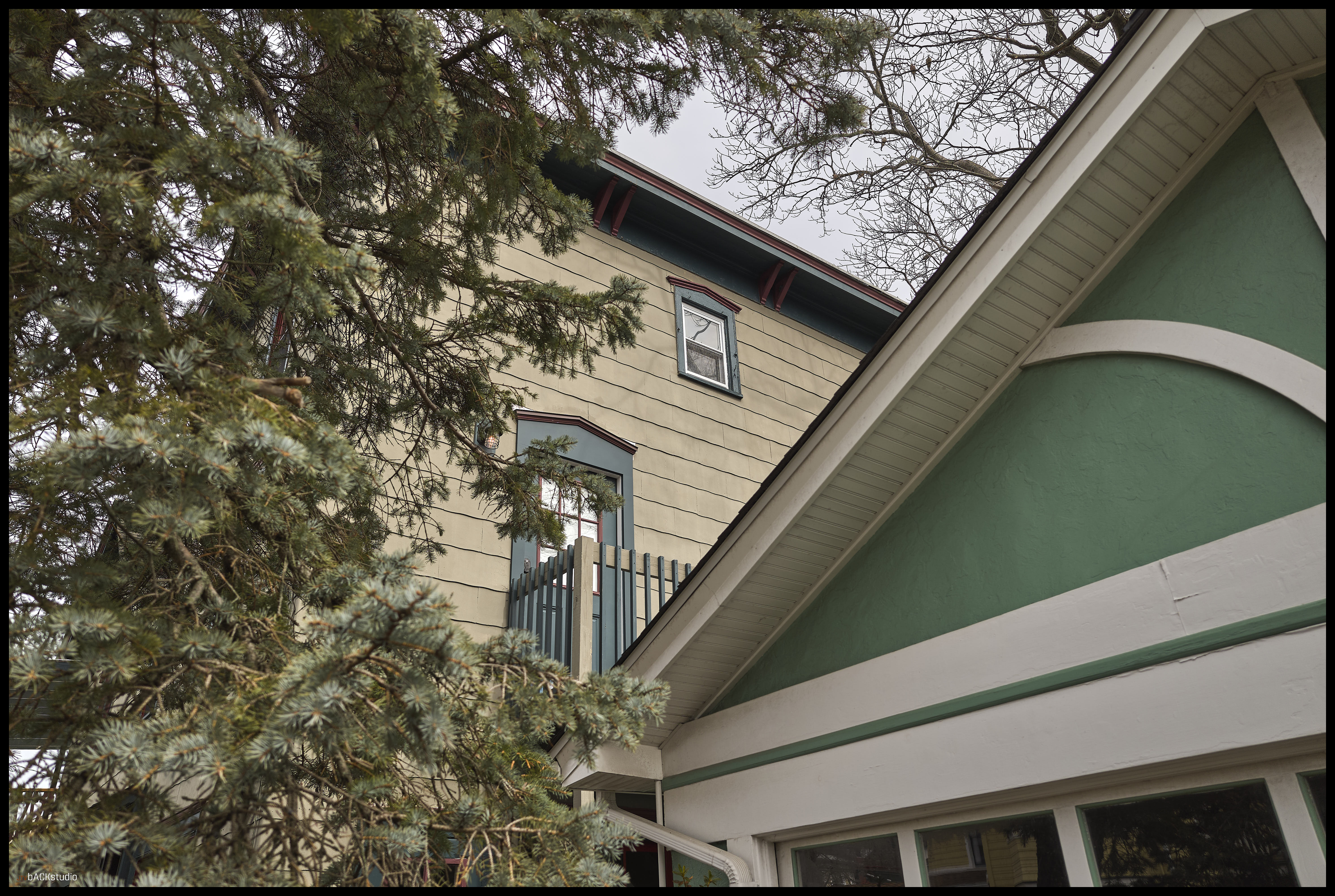
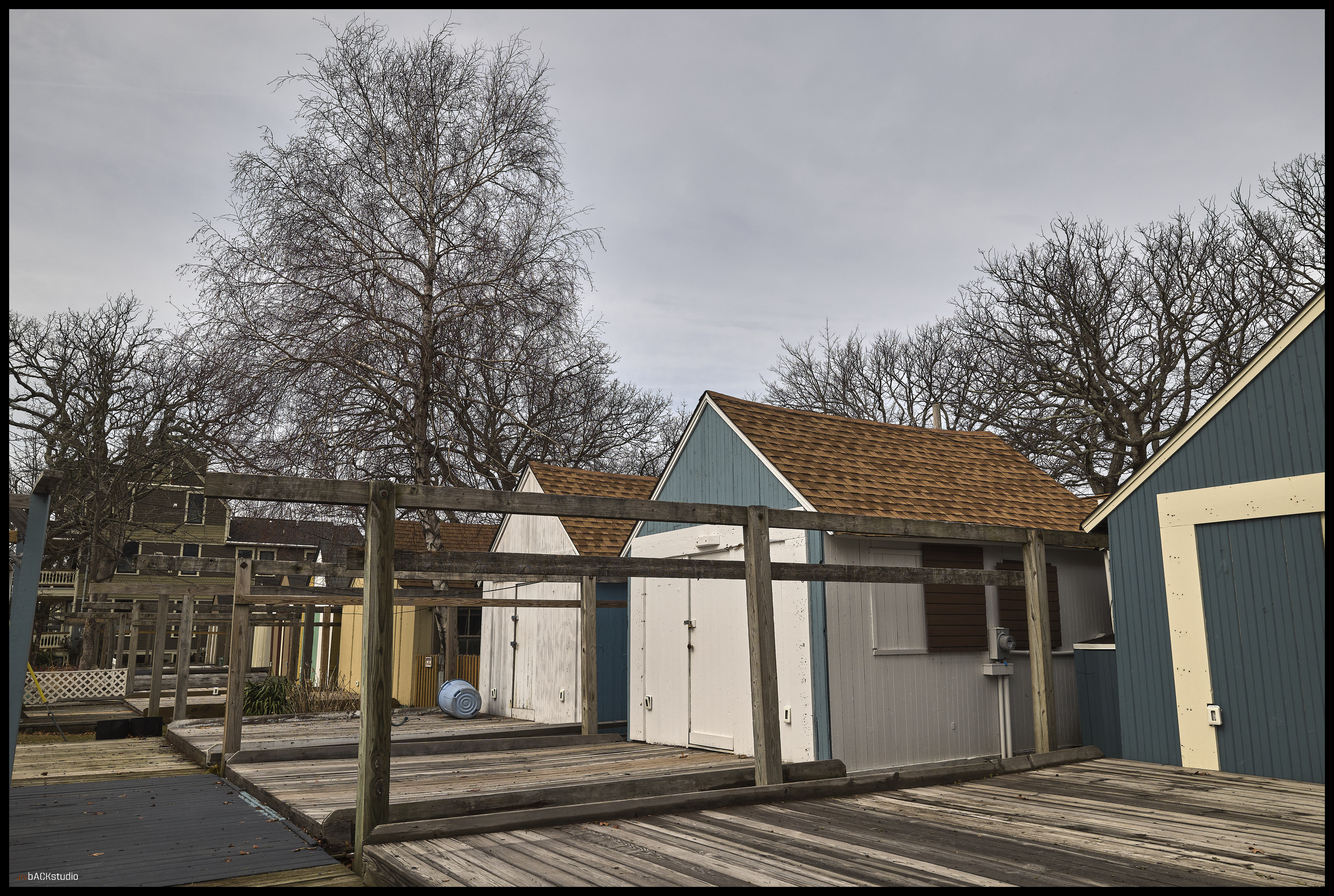
More curious are the plain, rather ascetic looking wood cabana-like structures located near the “Great Auditorium,” and still in use during the summer months. It is my understanding that fabric canopies are erected in front of the small cabins to shield God’s worshippers from the hellish summer sun.

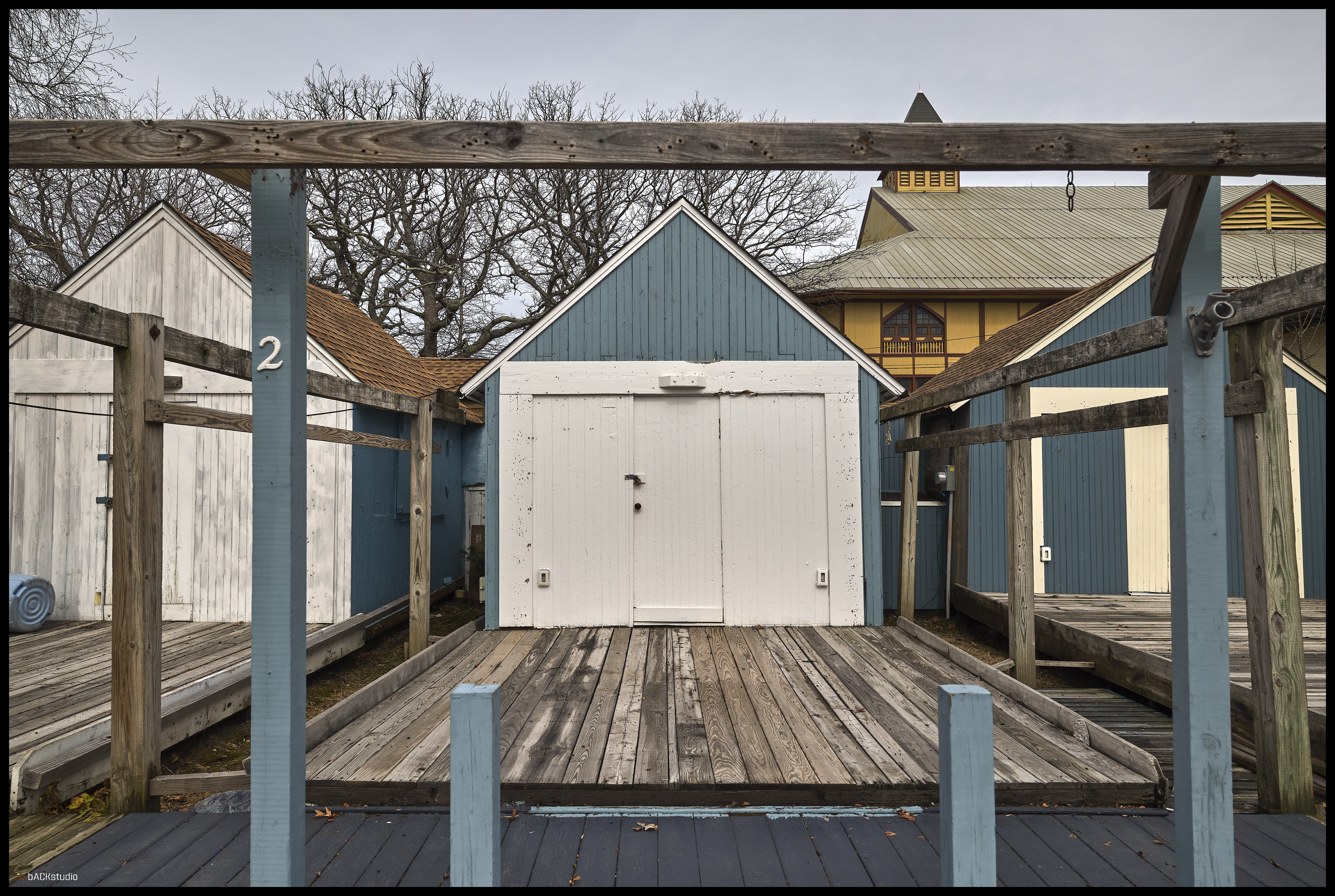
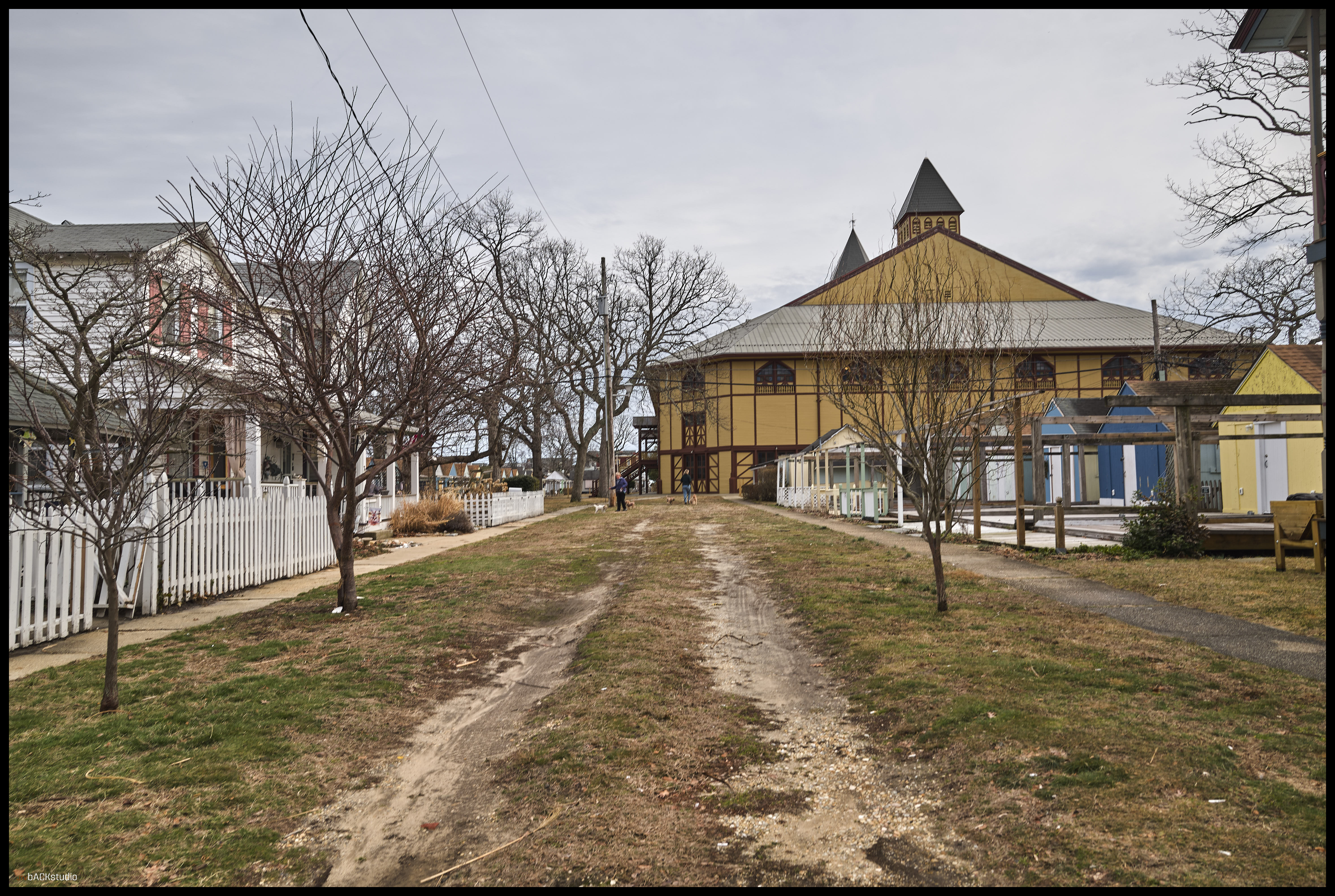
A “Great Auditorium,” did you say? Well yes, I did say it. This structure visually dominates a portion of the town where these aforementioned cabins exist. Noticeable from a few blocks away, it rises well above most structures in the community. Unfortunately, I did not have the opportunity to see its interior. It’s supposed to be a gem of a building with intricate woodwork and joinery.
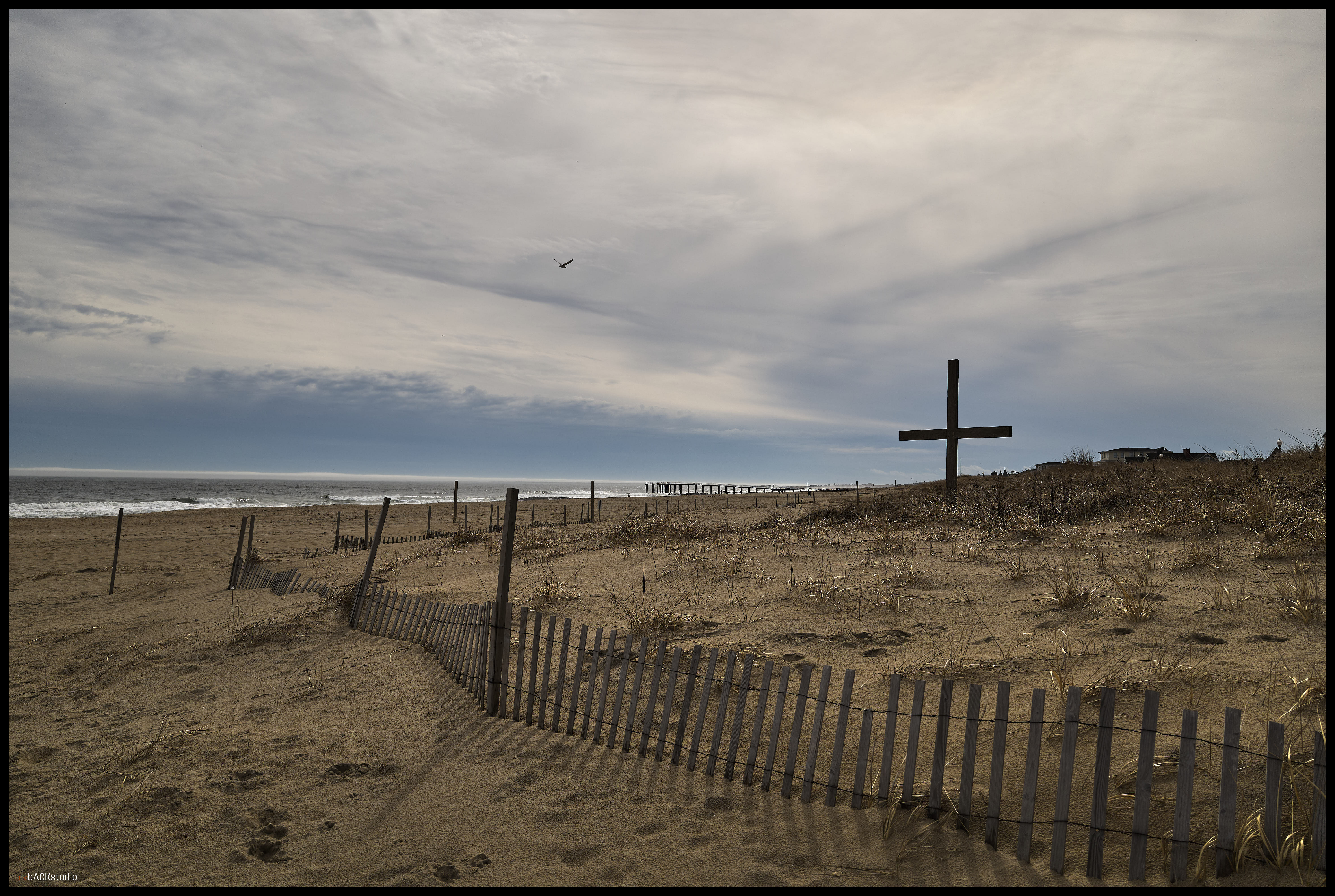
What has preserved some of Ocean Grove’s charm and contributed to its somewhat insular feel, has been its unique laws of religious asceticism on the holy day: no cars in the streets and beaches closed on Sundays. Such laws kept more care-free (religious-free?) vacationers from visiting and fostered a close-knit community for those sharing similar beliefs. At its inception, land was leased for 99 years to residents expected to live according to Methodist prohibitions of alcohol, tobacco, gambling, dancing and gum. Yes, gum prohibition. (Note to self: a movie titled “Gum Licking” could have been nearly as provocative as “Dirty Dancing.” A missed opportunity.)
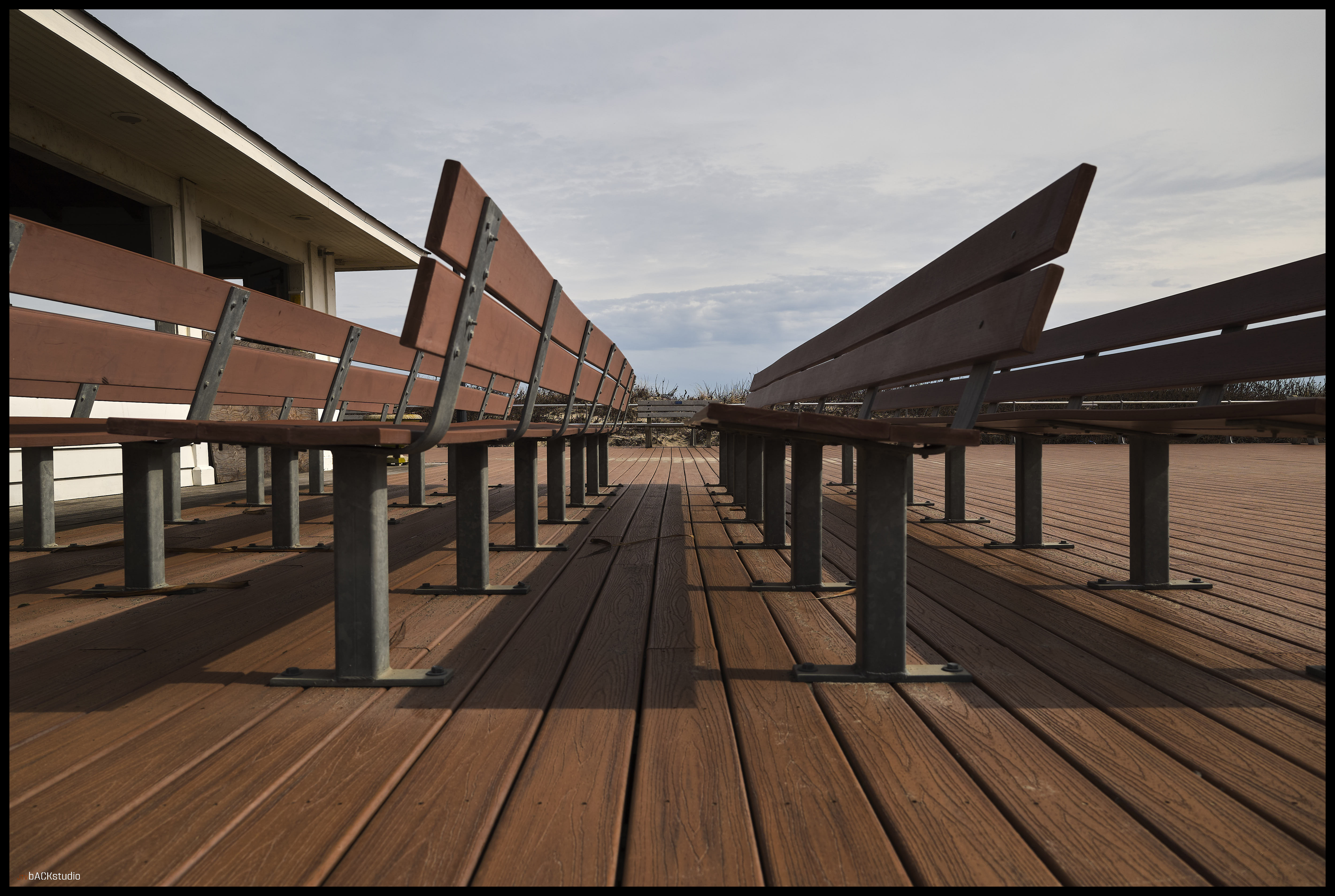
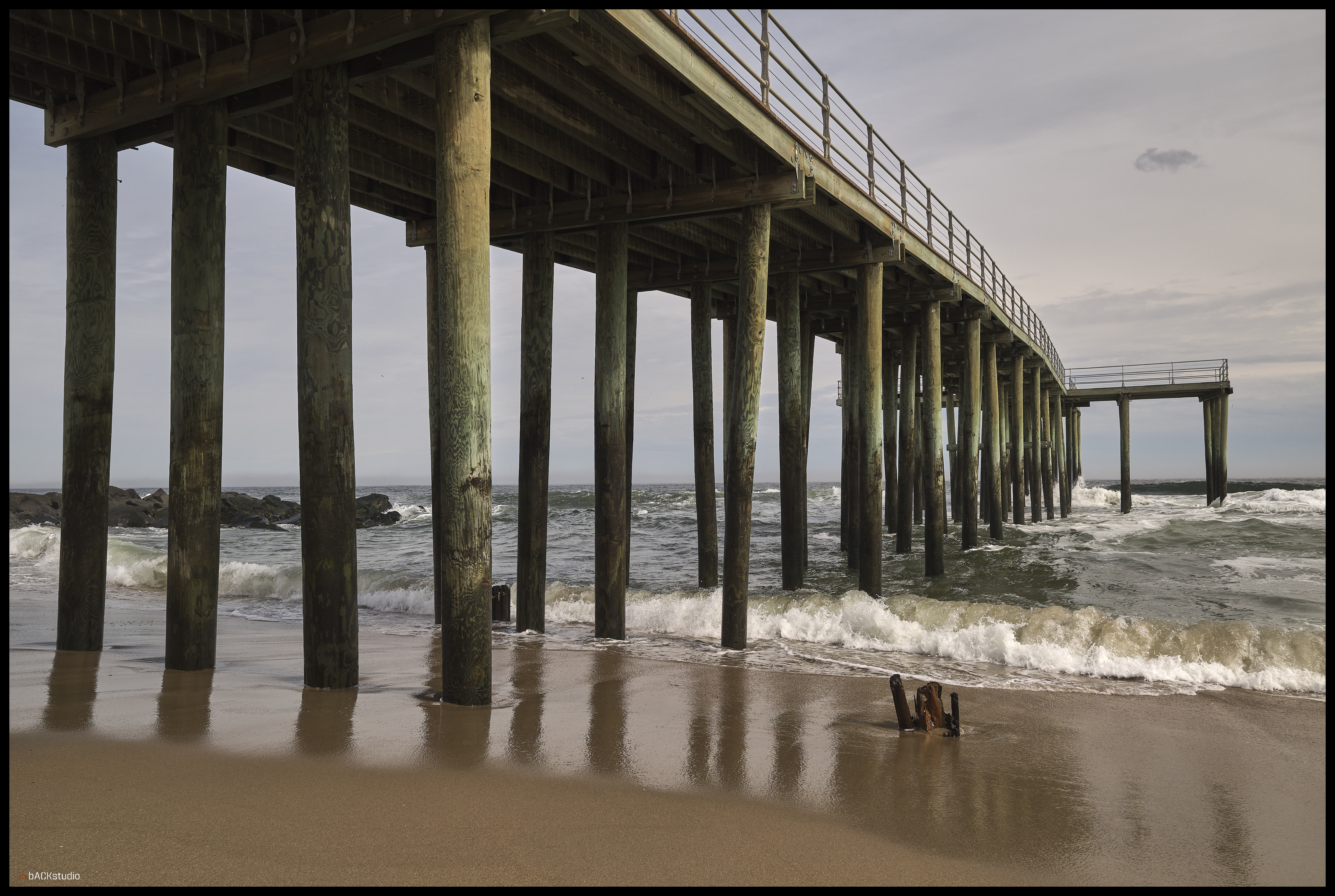
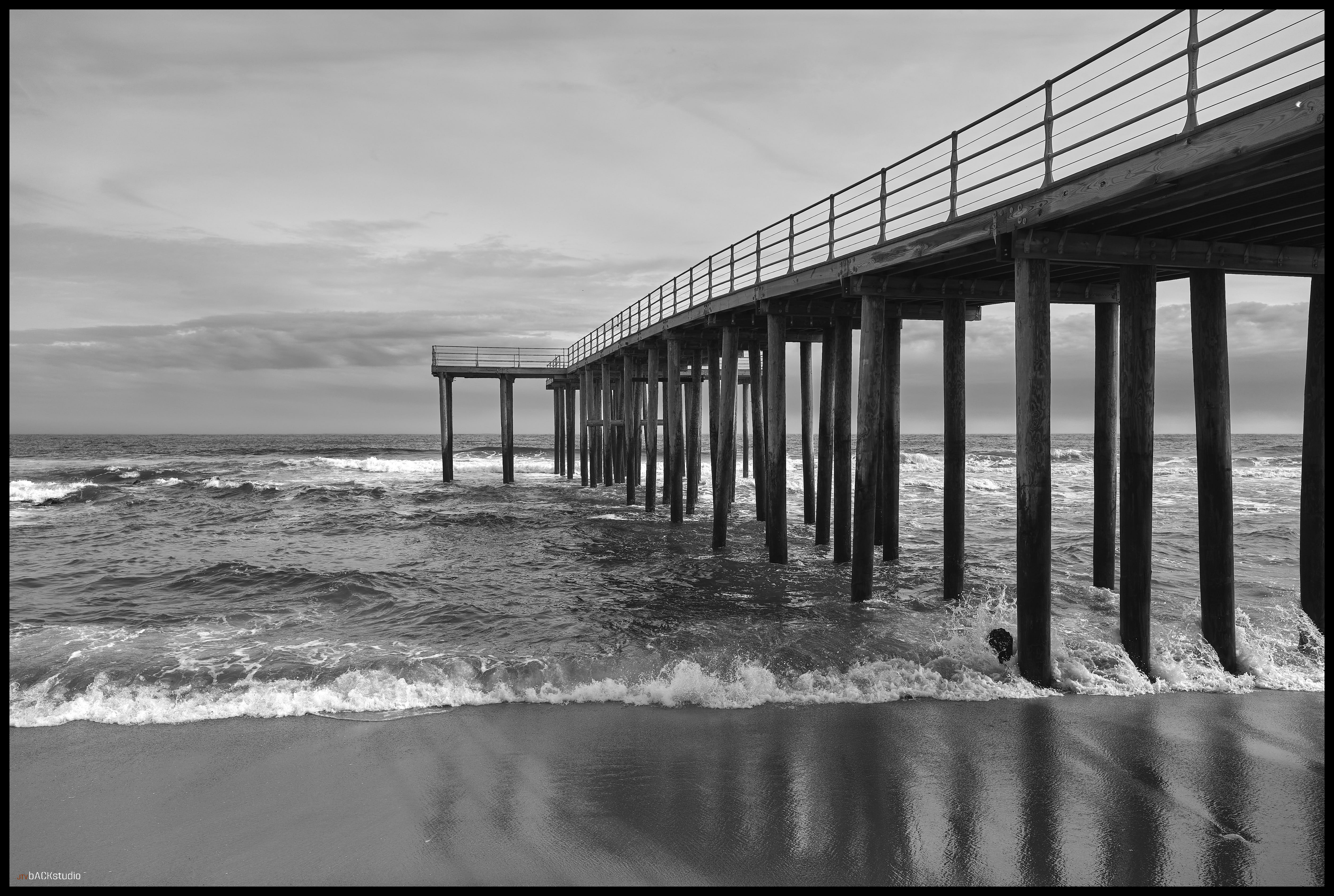
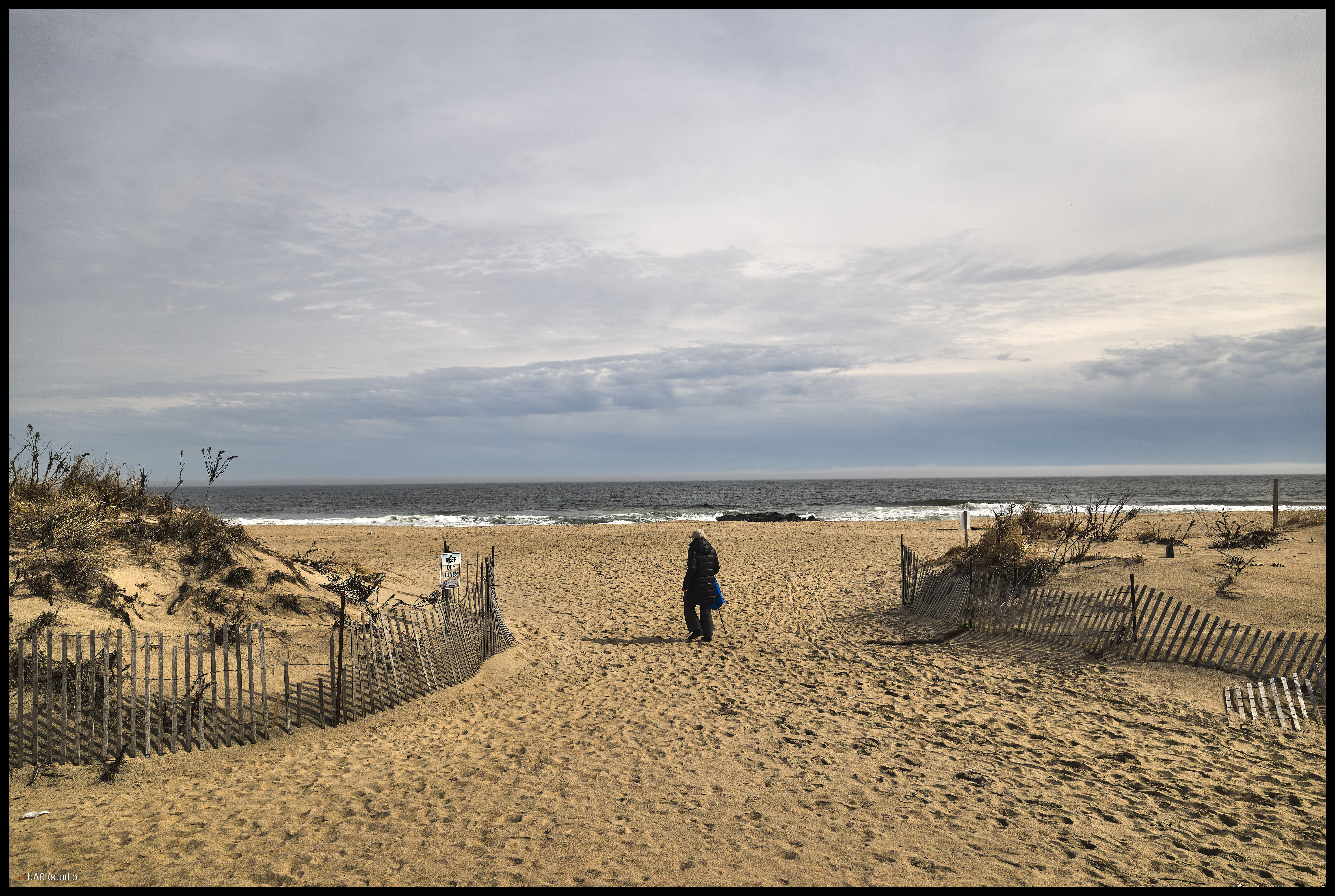
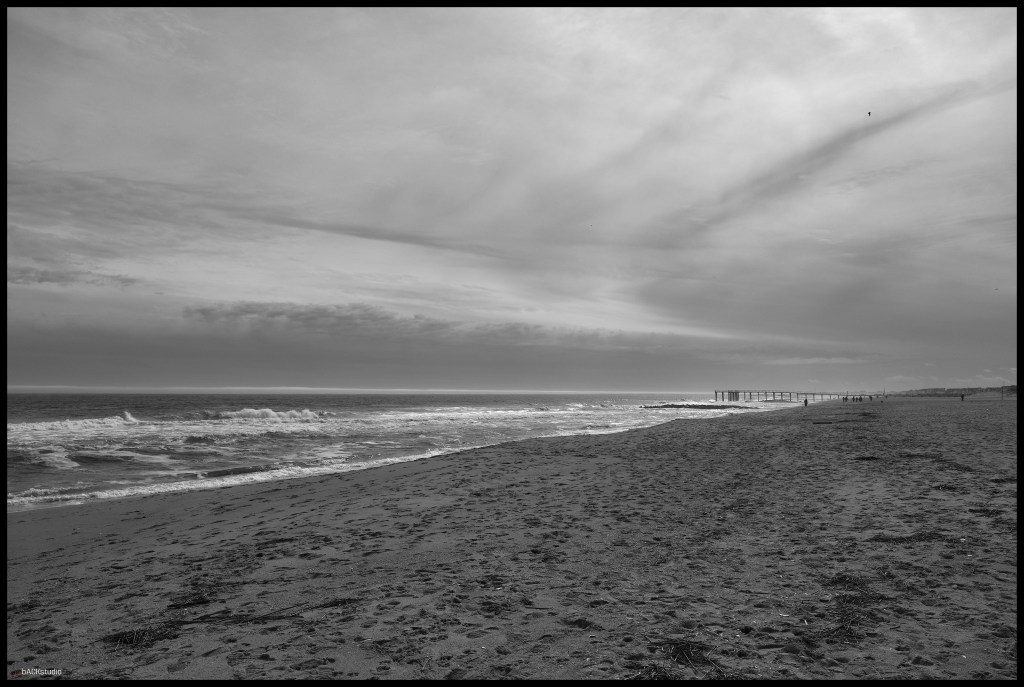
Until 2024, beaches were closed on Sundays as the meeting association fought for restrictions in the New Jersey courts.
The downtown area of Ocean Grove has expanded on Main Avenue and caters to visitors as well as seasonal residents. The Main Street is about 3 blocks long and in the center of a good photo walk through the designated National Historic District as a planned 19th century urban community (thanks Wikipedia!) with its excellent examples, as previously stated, of Victorian architecture. If you’re a painter who doesn’t like to chew gum, a lifetime of work awaits.


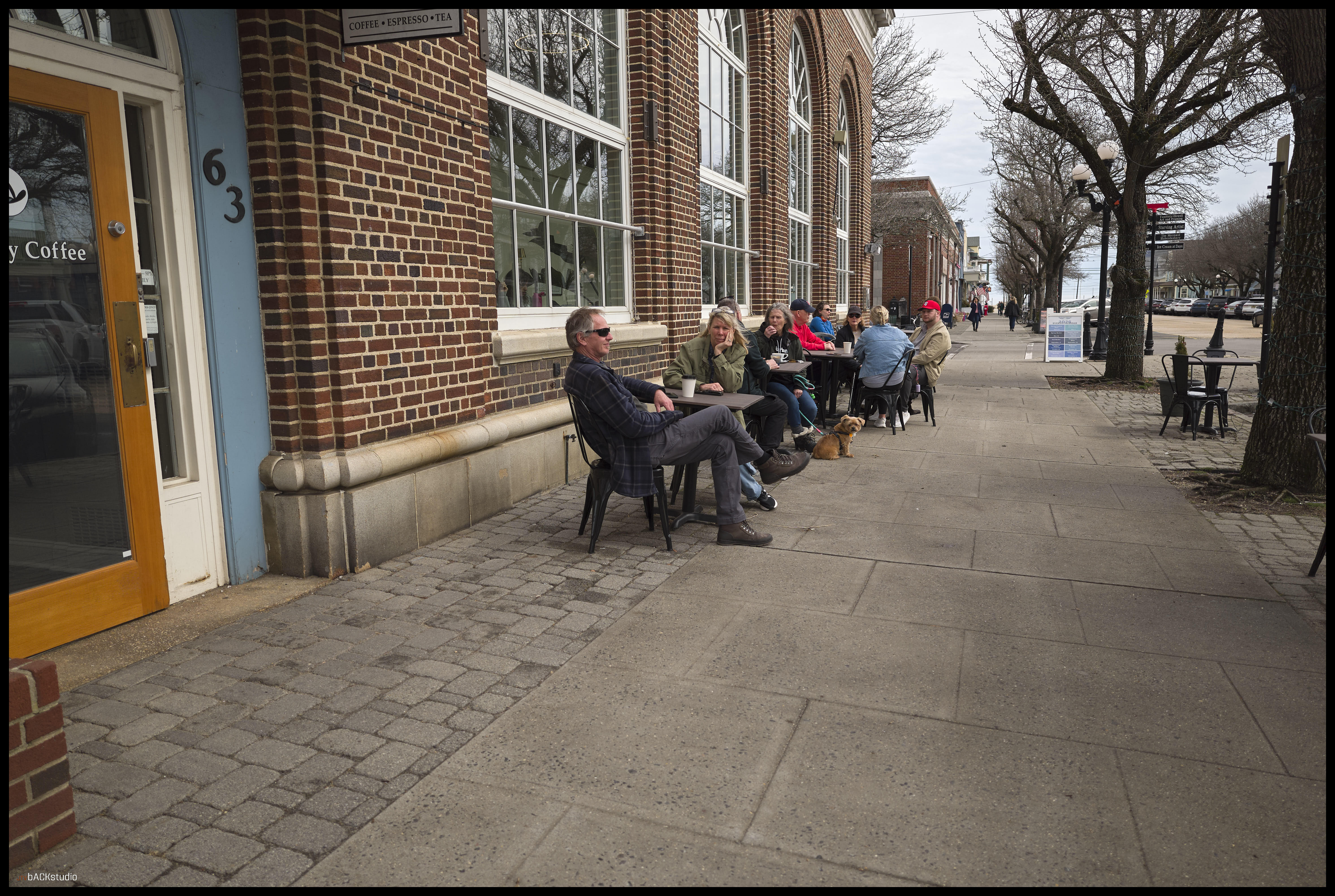
(It’s no accident those sidewalks are clean.)
 Amateur in photography. Amateur in life.
Leave a comment