
Tim Carpenter, photographer and author, has published a book titled: To Photograph is To Learn How to Die. This book dances around many of my thoughts when considering the motives and goals of my photography.
I will try my best to paraphrase his work and if possible, dovetail it into my own simpler, if not meager, ones.

The book explores the process and motivations to take photos. I find discussion about the process to create art or objects, with little intrinsic value, to be enlightening. It seems that the motivation we find to explore photography is every bit as important as the result of the photos themselves. The process, for me, helps me establish a “style” of photography through a type of prioritization. But more importantly for the photographer who approaches this hobby as an outlet for creativity, the process of taking photos forces us, to paraphrase and agree with Mr. Carpenter, to face our existence. The position we take with our existence, in some ways, informs the photos we take. I came to this conclusion after reading some of the quotes and viewing reproductions of photos by Saul Leiter. His self-described matter-of-fact approach to capturing spontaneous moments of serendipity, implies a deceptive simplicity to his process while producing complex compositions of great beauty. His love of color is something to be explored by every photographer; his famous quote very telling, “photography is about finding things, painting is about creating things.” And yet, he somehow accomplishes the impossible: he “paints” his photographs- both literally and compositionally, depending on his inspiration. Photographs emphasize observation, as opposed to painting, which prioritizes a painter’s interpretation.
There are times when I like my photos to explore the themes of nostalgia, collective memory, and a component of time we recall as less jaded because we briefly swap our biases for a touch of innocence. Why? Because the feelings and memories of discovery and wonder are what never leave us. They may become extremely difficult to achieve over a cynical lifetime, but they still reside within us. Like a nostalgic worm, I want photographs to subtly work their way into our brains and stay there, presenting as either real (if there is such a thing) and false memory. It’s a photographic trope in which we recognize memory as KNOWING, permanence and personal foundation. And yes, I recognize that memory is not reliable, but that is the success of the photographic trope.
Tim Carpenter indicates that the process of taking photos is a deliberate choice to “employ internal human faculties to create significance and affirm the value of our finite lives.” I wholeheartedly agree. Do we choose NOT to bring a camera rather than choose to bring one when we embark into the world of the “other” (as opposed to withdrawing into ourselves). Perhaps I overlook the opposite, would it be more enlightening to purchase a camera and deliberately NOT take it with us? Carpenter believes the need for creating significance acts as a counter to the human discovery of consciousness in which we recognize the world outside of us as indifferent to the world that IS us. When coupled with the concepts of death, our finite period of existence, the realization that humans are just a “tumult of neural activity” and our relationship with the world a “chimera of the brain,” Carpenter makes the assertion that our coping strategies can be twofold: 1) as conscious intelligent beings, we become proactive by creating significance with our own faculties OR 2) making believe (ignoring, arguing, etc) that the dual exclusivity between the mind and world is false and that an underlying external force “underlies and coheres (and even immortalizes) the self with all of creation,” in other words, religion. We are riding along the waves of existentialism here folks. If you don’t like the ocean, remain ashore.
Simply interpreted: we either become religious or we endeavor to create significance (whatever the fuck that means) through art or creation (I appeal to Mr. Leiter’s soul, so please bear with me, as I think photos are as much a creation as a product of observation). And while on this topic, I remind myself that religion has become an inspiration for much art, which is not a coincidence. But what I must emphasize, is that Carpenter believes in Photography as THE endeavor which helps us learn how to die.
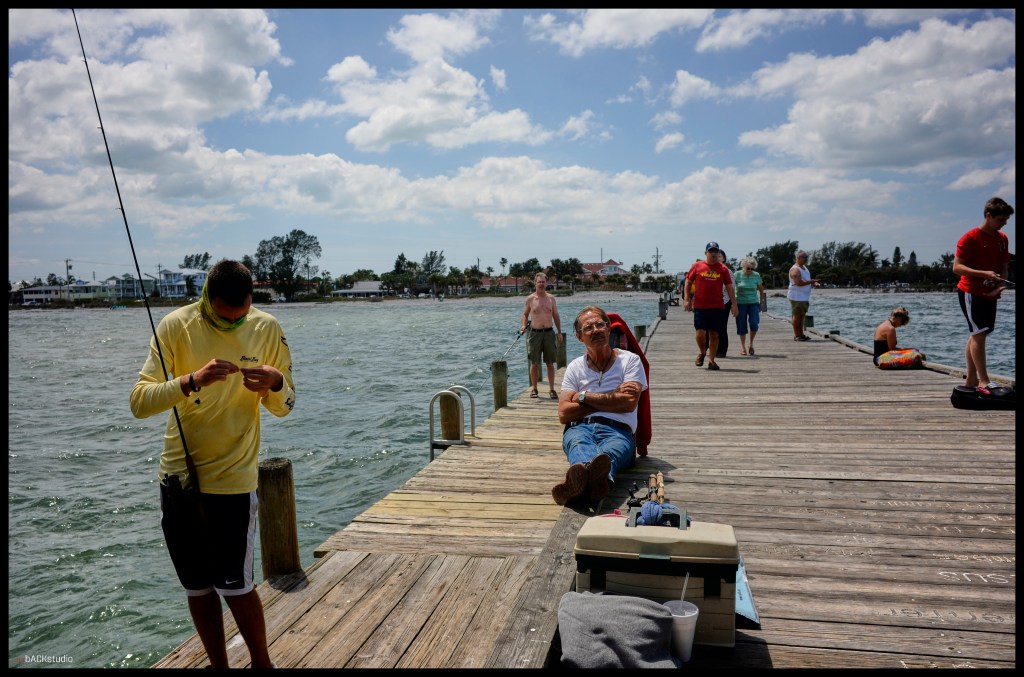
Roland Barthes (French dude, philosopher, smart, caught in his own head like many of his kin), in Camera Lucida., wrote about the experiences of the “subject” of a portrait, or, as he referred to something or someone photographed: “the target.” In the case of his own picture taken, Barthes has written that “the Photograph is the advent of myself as other: a cunning disassociation of consciousness from identity.” (Italics mine) In an act of literal blasphemy, I would like to take Carpenter’s interpretative need for the act of photography (or the arts in general) and apply it as a codicil to Barthes: the disassociation of consciousness from identity (“de-creation” to coin Carpenter’s term) is supplanted by the that of the Photographer’s consciousness of the relationship between the subject and its external world apart from it. The photographer or “Operator” in Barthes terms, is now using the “target” to establish two relationships: the one defining the relationship between the subject and operator and the reimagined one between the subject and its surrounding world apart from it. In a criminal act of existential theft, the subject (if human) is folded into the world in which it is captured, and the creation of any imagined consciousness or awareness between the subject and the world around them becomes an invention of the photographer. Boom! We take a picture of someone and they become ours. (Speaking on behalf of all disturbed photographers, I guess).
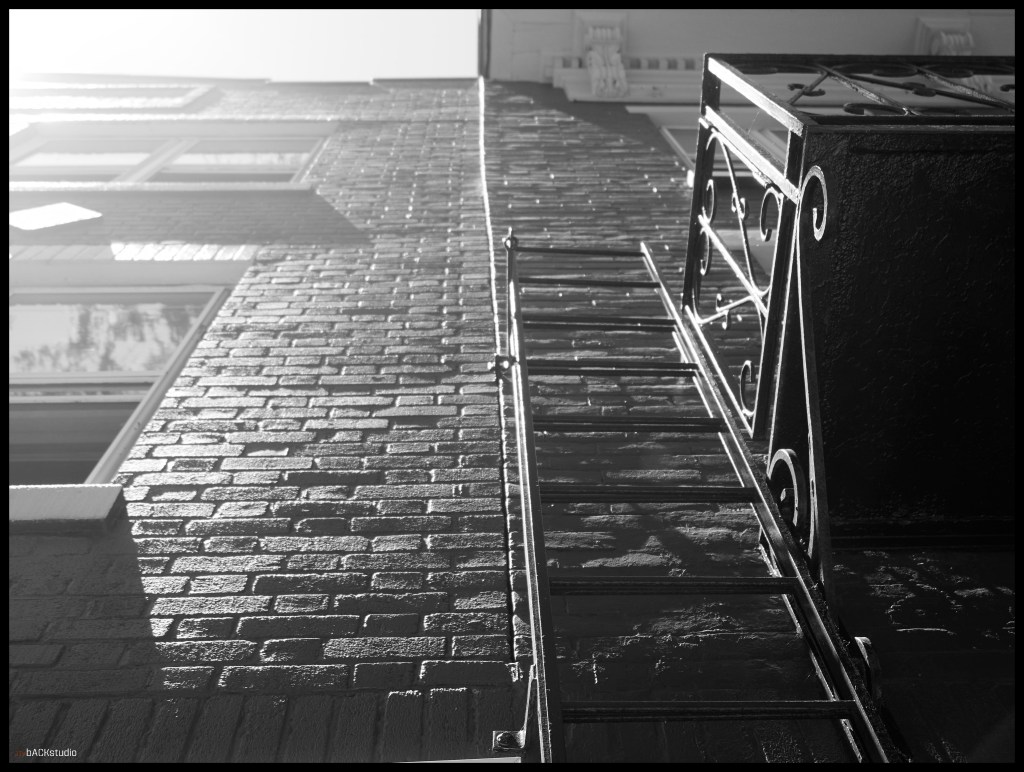
Convoluted message of intent, my doubt:
Carpenter provides a stark warning: if we believe in, and long for, invented worlds, we inevitably misrepresent the world in which we inhabit. Here, I believe Carpenter is referring to religion and its pitfalls of contradictions. Or is that my bias rearing its ugly head? I don’t know if there is truth in religion, but it rings true for those seeking reconciliation between our world and our inner self. The warning then, may be the old adage that “too much of a good (or is that God?) thing, is a bad thing.”

What happens when I use a camera to invent a feeling of nostalgia or an invented/conjured emotion? Memory and recollections can be faulty, tainted by our accumulated experiences and biases, which means my goal, with this understanding, is to invoke memory prioritized by a feeling rather than something akin to testimony. Taking a portrait of someone can fall into this intent on my part, but that would be deception, and I certainly am not trying to deceive one from their persistent memories. I believe viewing my photographs quite different from viewing old photos of the familiar. The old photo of someone or something familiar requires we remember a time once lived, the new photo hints to a recreation of the feeling of what once was, but in the present. I do wonder, however, what happens when we believe such feelings of nostalgia can exist? Is nostalgia a form of innocence before the mind turned to the existential question of our purpose and existence? Is nostalgia genuinely unattainable and a misrepresentation of the world we inhabit? Is nostalgia real or is it a simulation of something remembered as real, like the photograph when it becomes part of the world of “other” and no longer the expression of “self.”
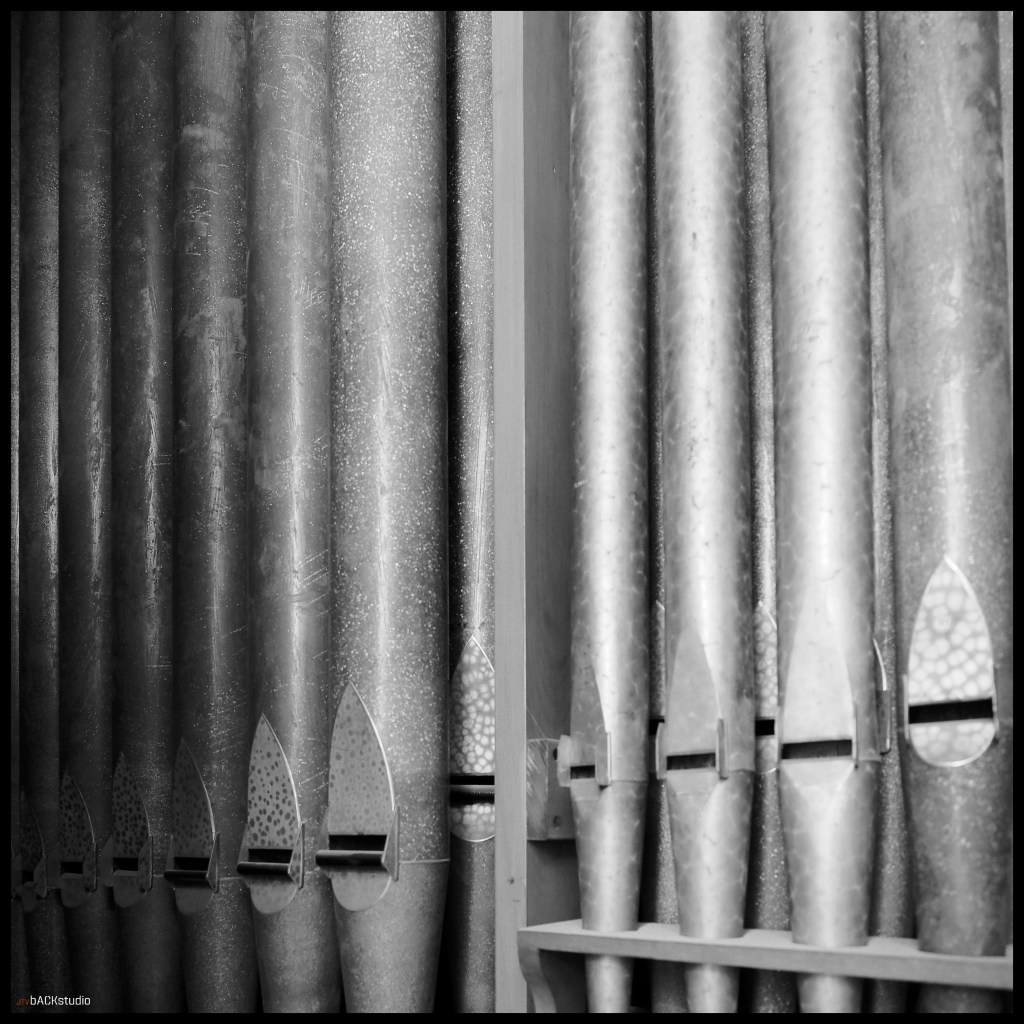
One of the largest assumptions made by my limited knowledge of philosophy, is that the experience of art ultimately resides in feeling or emotions. For a while, in college, I read and explored the theories surrounding structuralism: the meaning of something that is derived from its relation with something else. Taken literally, looking at a photo today can be compared to or analyzed by a different photograph, language and symbolism, a painting, a film or other work to form a comparative relationship from which we can analyze the photo. We can also, because photography (documentary anyway) deals with the built environment, compare photographs with our previously built world or experienced world. Therefore, the meaning of a photograph can be formed from its relation to other works of art, language, symbols, real life experiences, or memories. By its very temporal nature, photos can only be experienced separately from these other things (as the Greek philosophers will always remind us). In fact, Plato’s shadows can be somewhat equated with the structuralists’ comparative relativism: we never “know” the essence of reality or the artist’s intent of the work. We can only see its shadows (from comparative relationships) to “know” something.

We are “the sum of the ever changing relationships between mind and world.”
Carpenter’s quote above almost reveals a Buddhist world view (my rudimentary explanation anyway) in which the world is just a manifestation of the mind’s workings which are to be revealed through meditation. Carpenter’s process by which we begin this revelation is through “(de)creation,” which to many in architecture, sounds a hell of a lot like “deconstruction:” the antithesis to structuralism. Oh the irony, we must acknowledge the relationships and relativism required for some type of “former” meaning, only to deconstruct them and recreate something new and somewhere along the way, discarding the once former meanings with new ones. Yes? I’m stuck in a philosophic circle jerk. Let’s move on but keep in mind the mumble jumble.
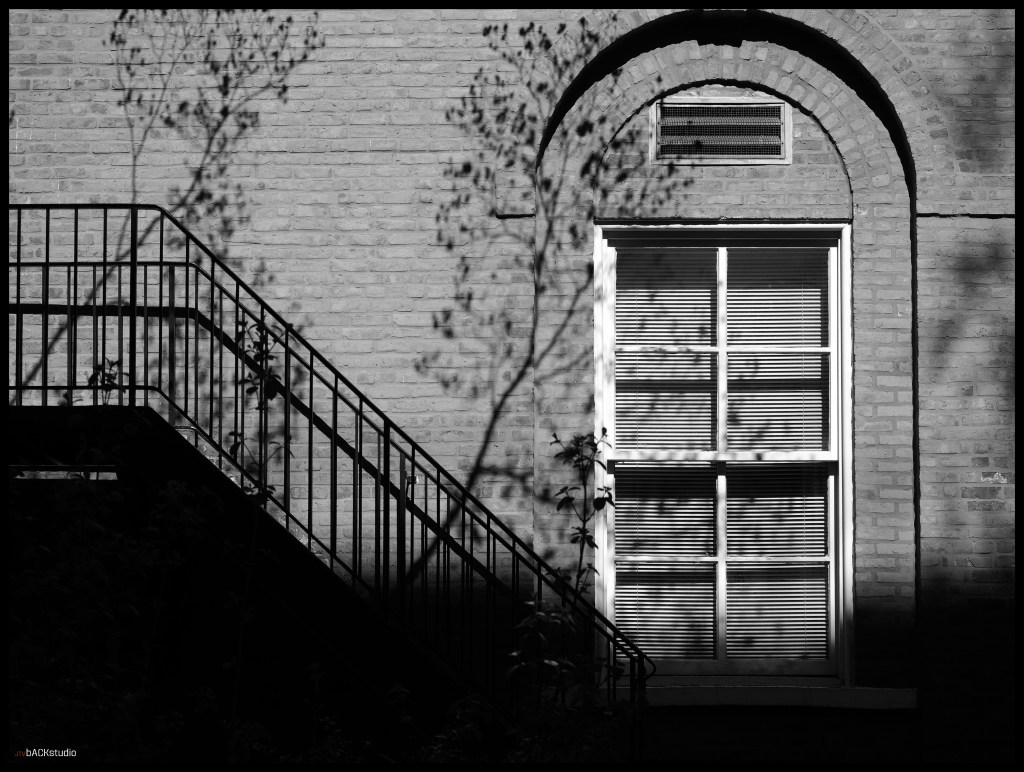
We resort to the “act of (de)creation and use of the imagination” as “province of the artist” to create “signifiant and useful correspondences between the subject and object.” At the heart of Carpenter’s book is his exploration of the essential usefulness of the interaction between art and person. Carpenter states that “aesthetic objects are useful in that they are the best (and maybe only) way to make unique maps of our selves, to get us achingly close to the ineffable, and to communicate our tentative findings to others.”
The title of Carpenter’s book MUST in some way, pay homage to Barthes’ book Camera Lucida. (My relationship with the world makes sense only when I can make these associations) Each, however, are taken from different view points: Carpenter’s view is from that of the photographer while Barthes’ is from that of subject or observer. Carpenter has indicated that the process of photography can be equated with learning how to die and Barthes’ has equated the process of having one’s picture taken as a “micro-death,” and the Photographer (his capitalization) “must exert himself to the utmost to keep the Photograph from becoming Death.” This is getting juicy.
Carpenter believes in the limitations of the photograph. That a photographer “cannot assemble the world to one’s desire.” It is a process that no one can completely calculate in advance. Again, the idea of serendipitous circumstances and observation combined with talent and knowledge broadly define the experience of photography. Our talents lie in our ability to overcome the limitations of the medium (photograph) and our senses when creating. Photographers must actively disengage from “one’s attitudes towards the world.” In other words, we must shed our preconceived notions of the world and its relationship with the thing in front of us and ourselves. This sounds somewhat extreme, and impossible if I had to be honest.
So what then, becomes of artist’s intent and observer’s formation of meaning. Is artist’s intent required for true meaning of a work? Meaning isn’t obtained from intent, but trying to “communicate findings” certainly sounds like the artist trying to impart the intention of their work upon the observer. Or is this the case of trying to impart a new set of relationships between the art and our world experiences? I do believe this is the case: that for objects (photos, architecture, paintings, literature, etc) to be art, they must establish a new set of relationships between the artwork and the observer’s general world view. Whether that view be like Carpenter’s (a world completely outside of the self on which meaning is formed from the relationship between the two) or the Buddhist (a world created by the mind’s workings but in need of meditation to distill its meaning); a person’s experiences, world view, biases and prejudices are brought to bear on their interaction with art or their judgement of whether a work is art. In Carpenter’s second component of “de-creation,” the ability to discard bias to “make space for the (non-created) givenness of things,” I believe, resides or houses some of the artist’s intent. Artist intent is flammable mix of the their own experiences, world-view, biases and prejudices as a result of their limitations in shedding these attitudes towards the external world before trying to recreate or establish a new relationship between human consciousness and its ability to compensate or account for the indifferent world with which it must be a part.
Direct paragraph of my intent:
Let’s analyze what I am trying to do, well, let me try anyway…I want to take a photo, knowing the photo can only represent a moment in time, physically. I know once I take that photo, it becomes something else from what was a part of my world view, to an object that is now part of that world. It is now indifferent to its creator. It is other. I know that if I wish to convey some form of meaning with the photo, it must, in this world of the other, trigger a response by the observer. The vehicle I wish to use to create that response, in this moment anyway, is a form of nostalgia. Whether or not is refers to a different time or place, a photo must evoke a memory to be effective, as memory is essential to nostalgia and learning. Memory is faulty, and nostalgia may be just a feeling, caught up in the viewer’s relationship between their world and themself. It is this dialogue which is sometimes invoked by feeling. So the ultimate goal is to bring about some form of relationship between the viewer and their world through the eyes of the photographer presenting both components of the relationship to them. The only way to present both is to present an object (photograph) of the other (the world apart from our self) and invoke memory or feeling. Sometimes memory is recalled through recognition of something specific, but this interests me less. My interest resides in the vague recollection of something that is tied to a memory but not the memory itself: a metaphysical archeological excavation.

What a crock of shit.
I now see why Barthes had to create divisions or typologies of photos to begin his analysis. Portraiture is looked at and evaluated differently from landscapes, which may in turn, be looked at differently by street photographers. Each is evaluated somewhat differently, which means the original subject matter DOES matter in so much as it invokes the biases of the viewer, the biases of the artist and the intent of the artist needed by a methodology required to analyze a work of art. And, of course, biases are the result of how we address the relationship between our world separate from ourselves. This then, means that Carpenter’s intentional act of “de-creating” by shedding our biases when taking a photo, is necessary for the photographer more so than the viewer or observer. I argue both participants have to be open to such de-creation for the photograph to have an effect.
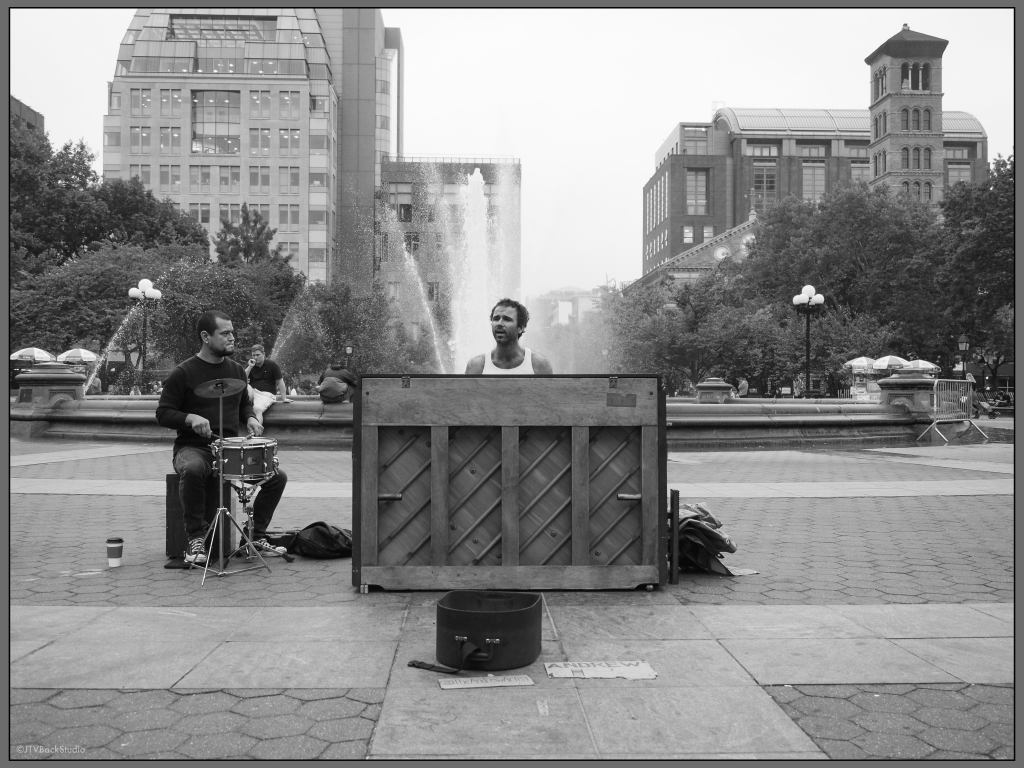
Photos are a tough analysis. Each presenting something that may or may not agree with or communicate with the viewer. Furthermore, portraiture isn’t addressed well by this analysis revealed by need to make distinctions between “document” type of photographs and “artistic” or “communicative” ones. They are one and the same, both photographs. So the ability to create a generalization of what happens in photography unravels with the subject matter for those less intellectually endowed than Mr. Barthes, I guess.

All photographs communicate something. The photographer’s intent is usually what they wish to communicate, and it is done so through a captured moment that describes relationships between the photographer, the subject matter and the indifferent world harboring them; which are lost at the time of transformation between photographer’s consciousness and object creation. Whether or not this process succeeds depends upon the nature of the process, subject matter, technical implementation and…well…everything needed to create a photograph.
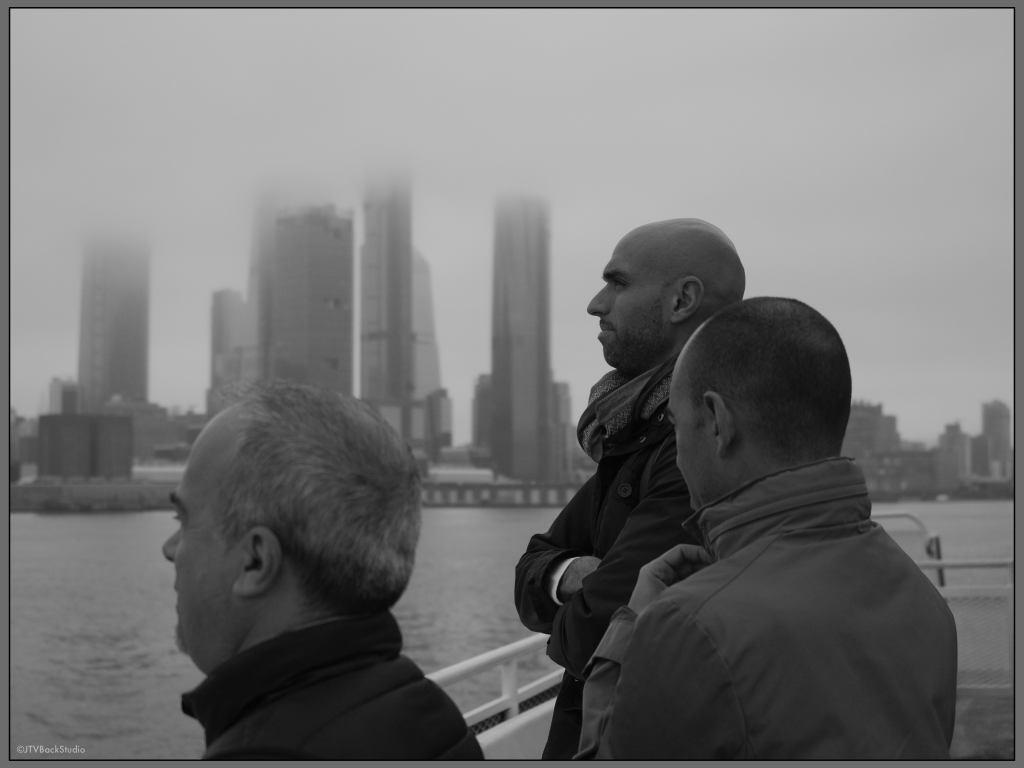
Somehow, the idea of disassociation between the subject and the photograph is necessary to shed the preconceived notions of the subject from the moment in time the photo was captured.
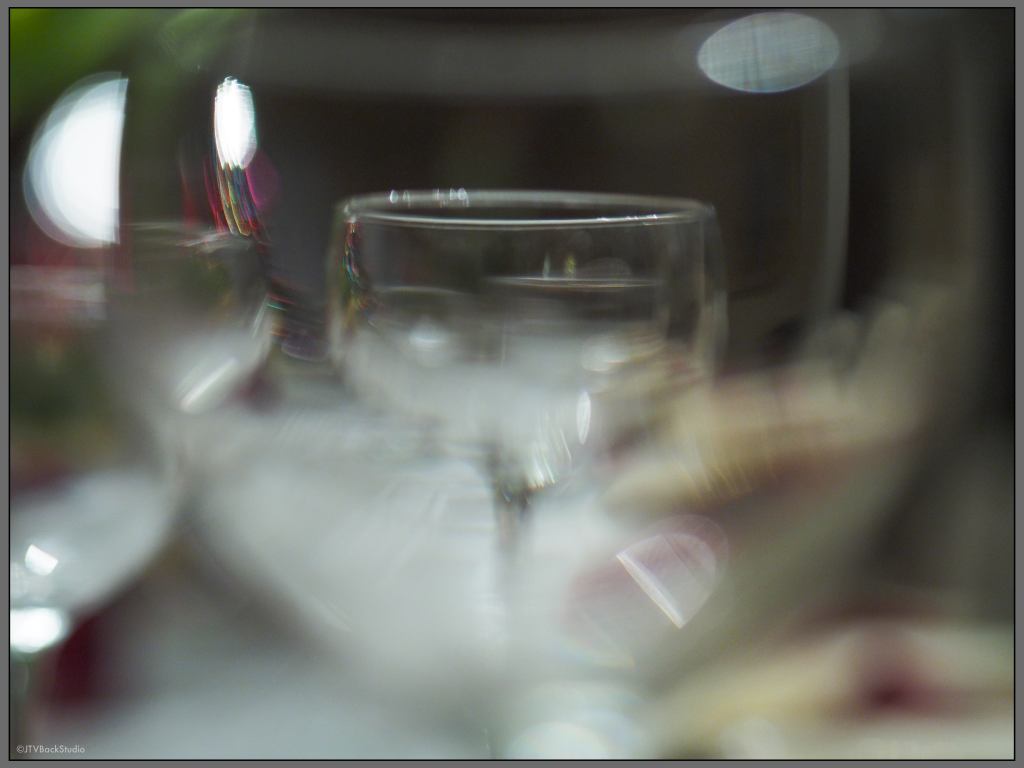
Time must be separated from the subject matter to be frozen or suspended, so that the viewer can, in that observed instant, impart their own sense of time and memory.
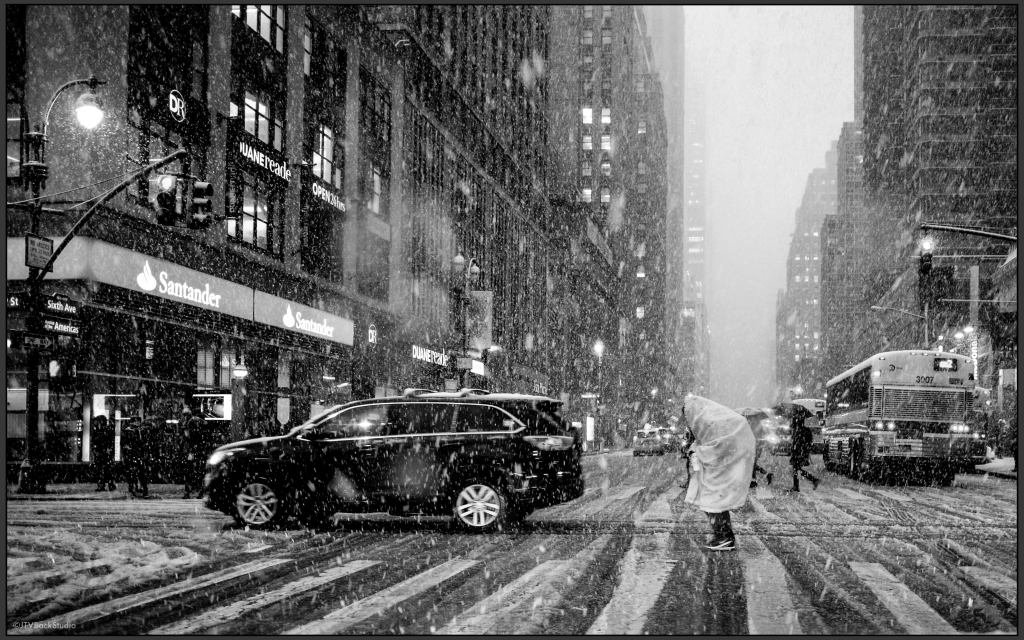

 Amateur in photography. Amateur in life.
Leave a comment