
I’ve decided to review my photos for 2025 and select a few for posting to help analyze why they speak to me. Curating photos is difficult for the photographer. I’m sure the professionals would disagree, but the truth is that a hobbyist, by definition, isn’t a pro and therefore, requires more TIME to complete the work of a professional.
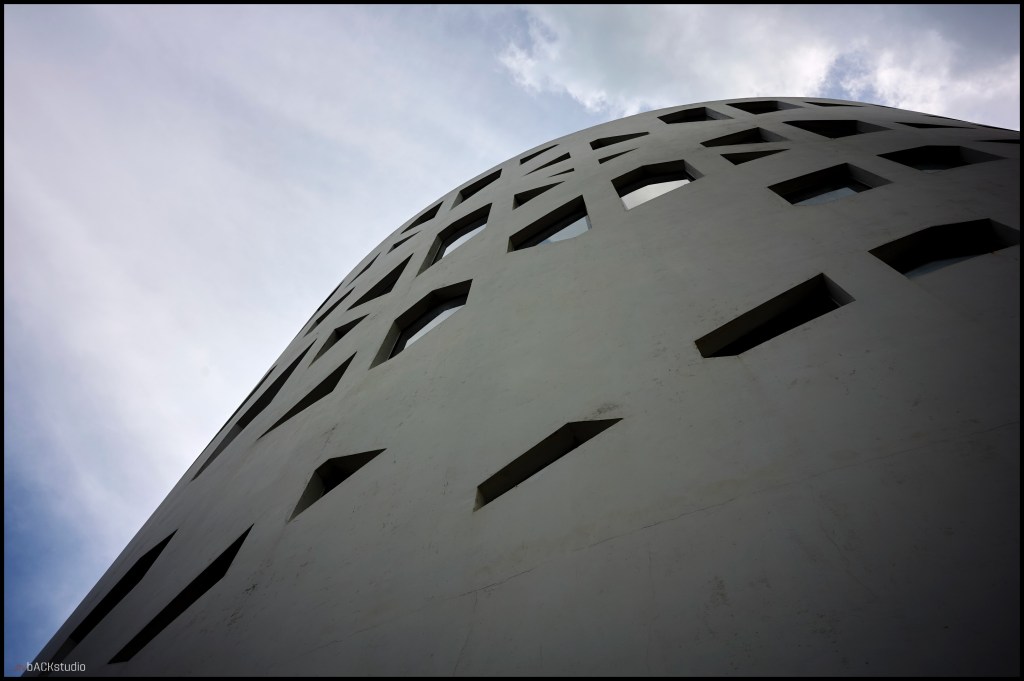
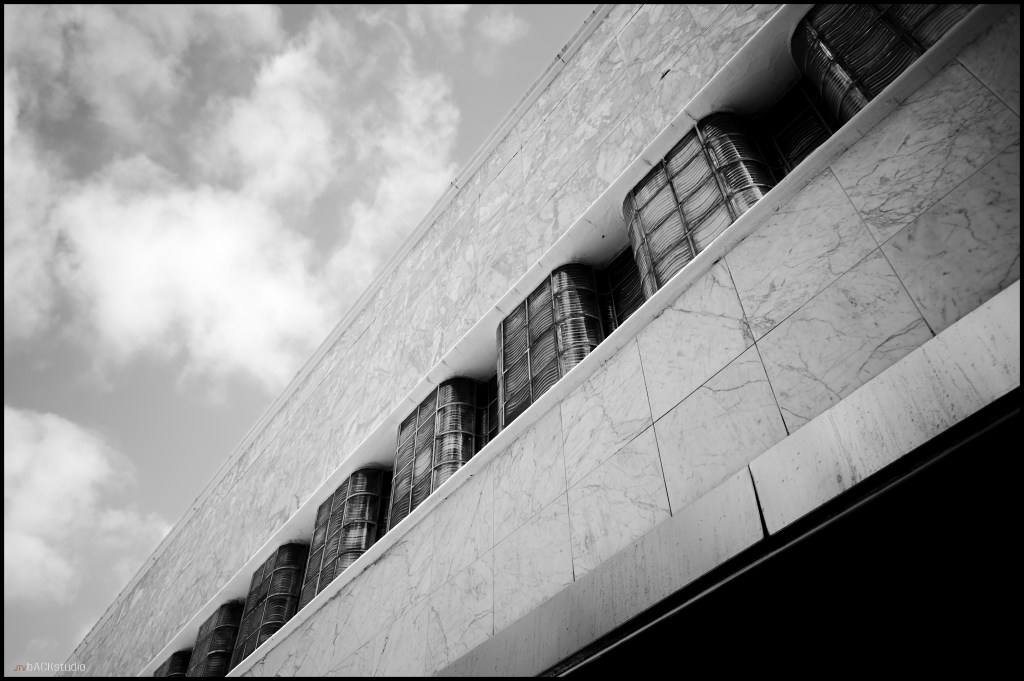
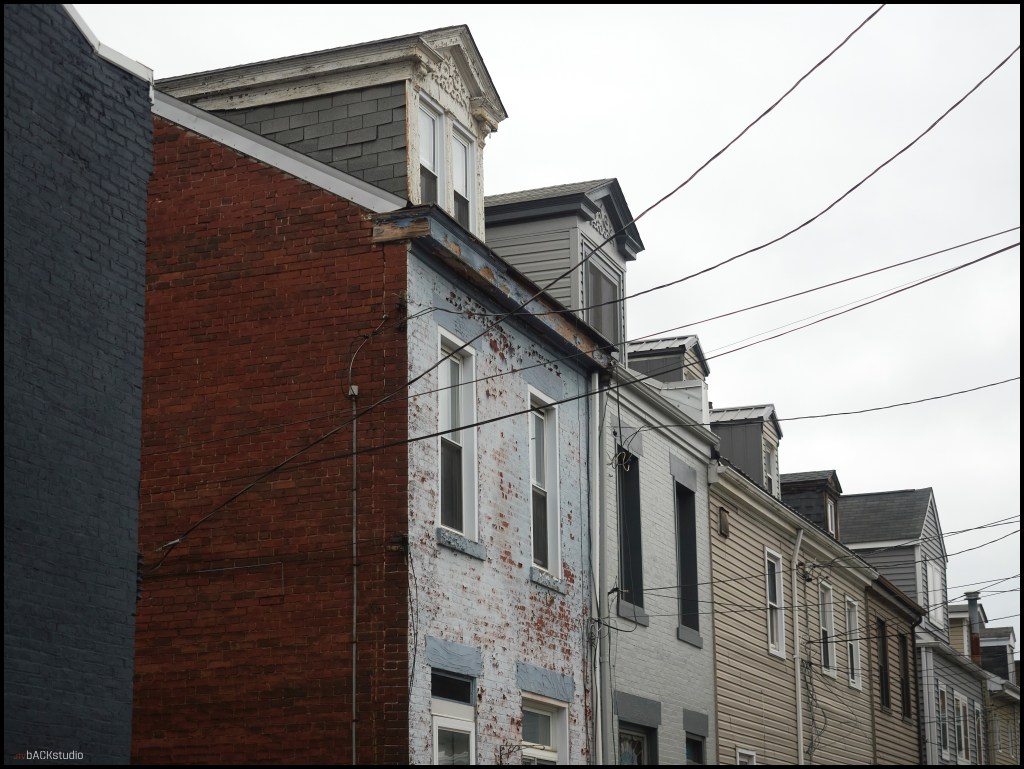

Everyone can learn skills, but the time to produce something is really what distinguishes the professional from the hobbyist. And when I say “produce,” I also mean the ability to curate through ones own ideas and regenerate options by which to measure the work against alternatives. Now, while I have always thought this way about divisions of labor and love, I must add that AI has thrown a monkey wrench into the equation. The use of AI drastically removes the time gap between the working professional and the hobbyist. There must be, therefore, something else at play in art: the difference between real and imaginary. The world which can be directly perceived is the real one, the one imagined with the help of AI, not so much. Why is this important?
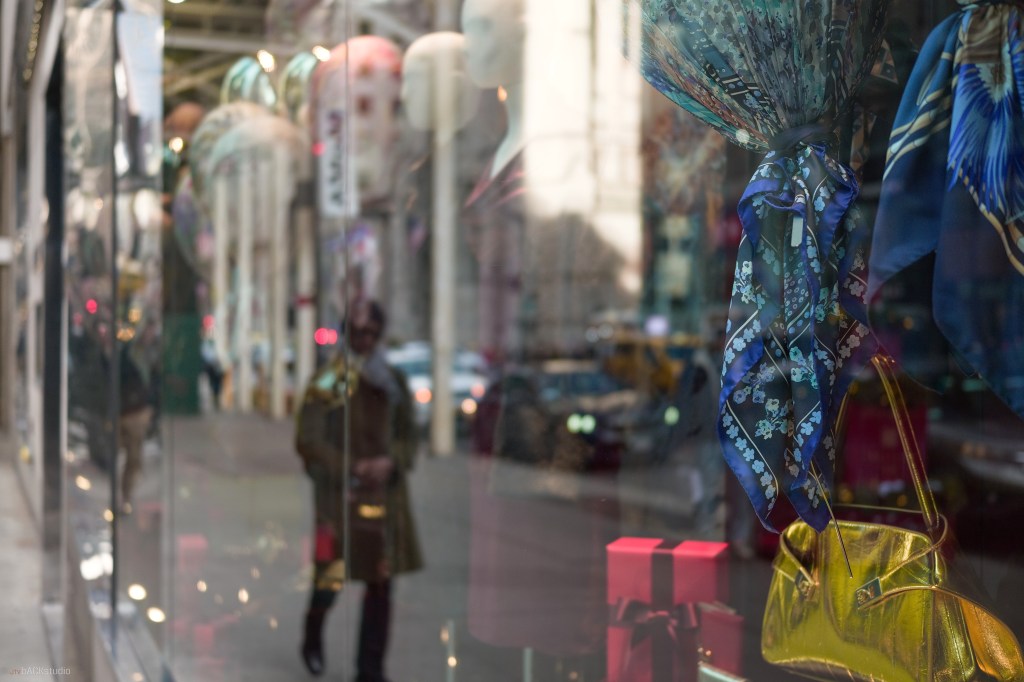
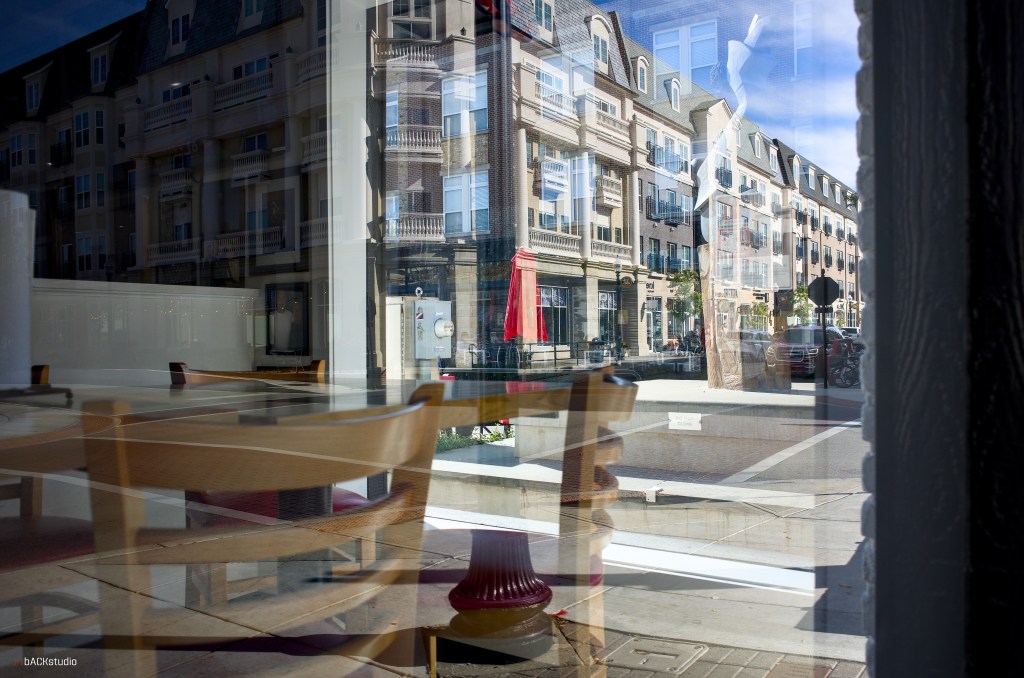
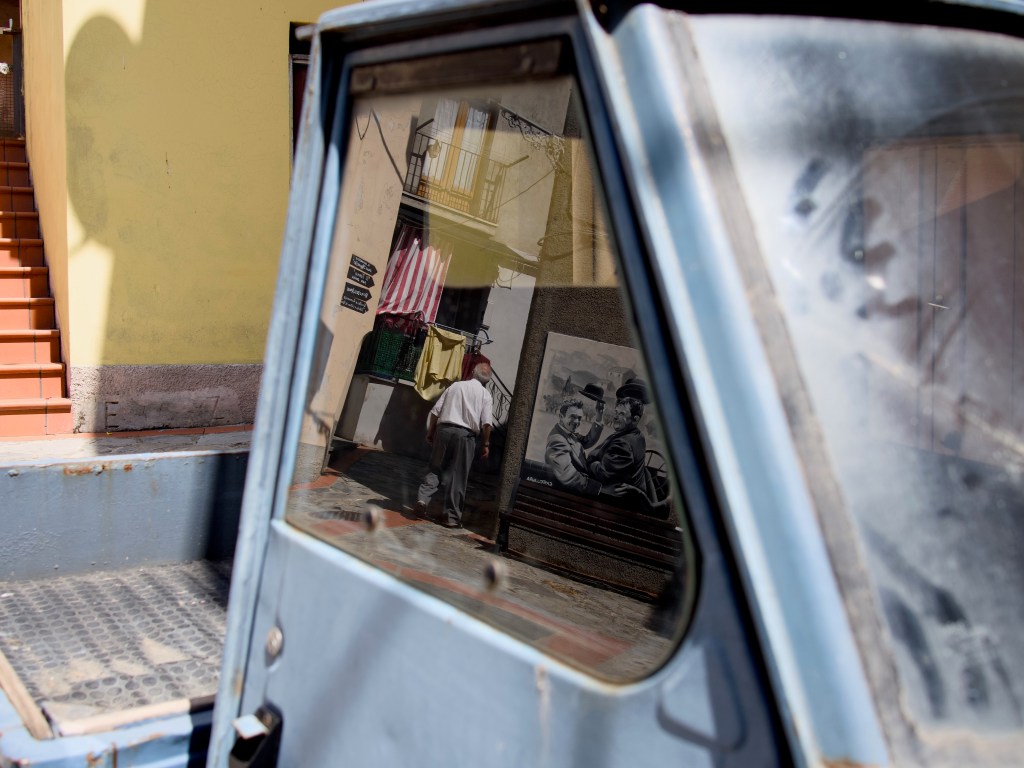
First and foremost, AI is fashioned after mimicry. It must assemble “knowledge” through already existing information. The idea that AI has achieved the ability to create its own information for analysis and creativity isn’t with us yet. Sure it can apply rules, and if the rules of design, painting, photography, music and the rest of the arts was all that was required to succeed in the specific art, then by all means AI has fulfilled replacement of the artist. But art can anticipate change. Art has the capacity to contain new ideas. Is that the essence of creativity or is creativity the reorganization of algorithms or rules to make something new?
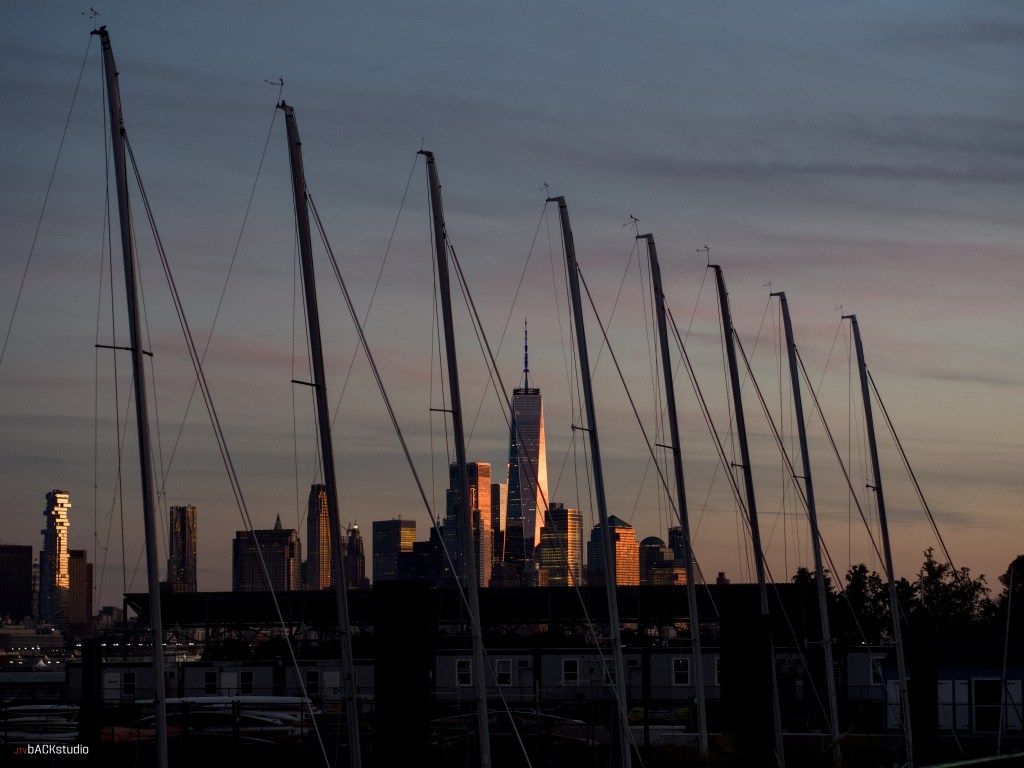
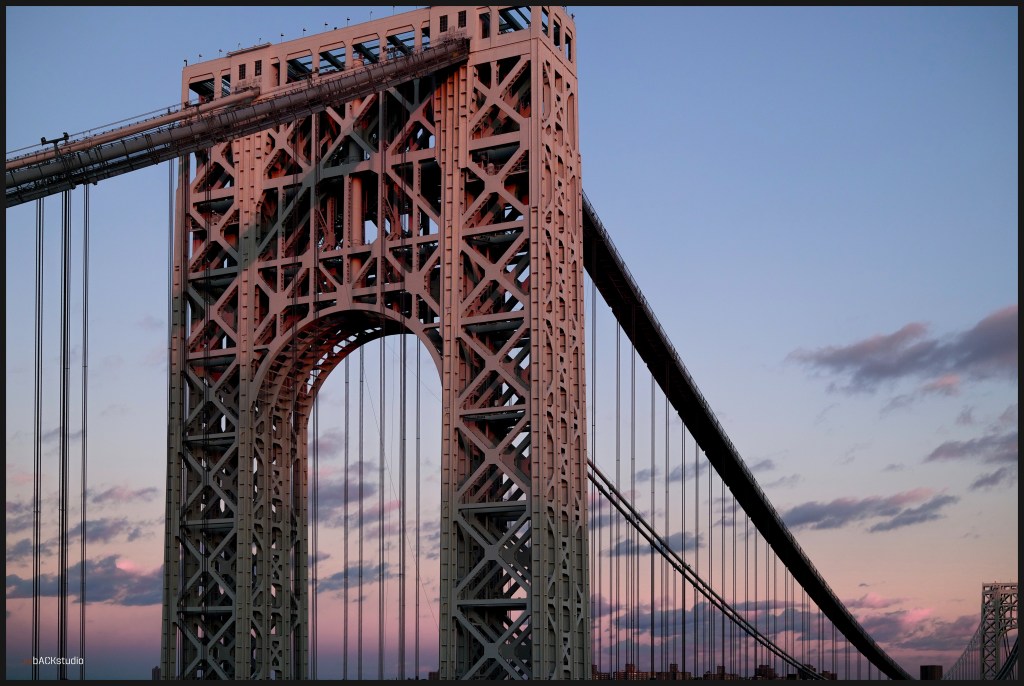
I am on the verge of contradicted myself. Let’s begin to clarify:
A style can be defined by a certain application of methods, rules, and techniques to achieve a certain recognizable aesthetic in the final product. In other words, to have a style, the work must reveal something about its rules, technique and methodology. Categorizing art into a style is helpful for the analytics of art, but I’m not convinced it helps the artist create. Making art isn’t concerned with repeating a style, is it? For most artists, I would say this is not the case, the goal is to create a unique style. It is the holy grail of artists and designers to do such a thing. Is AI creating its own style?
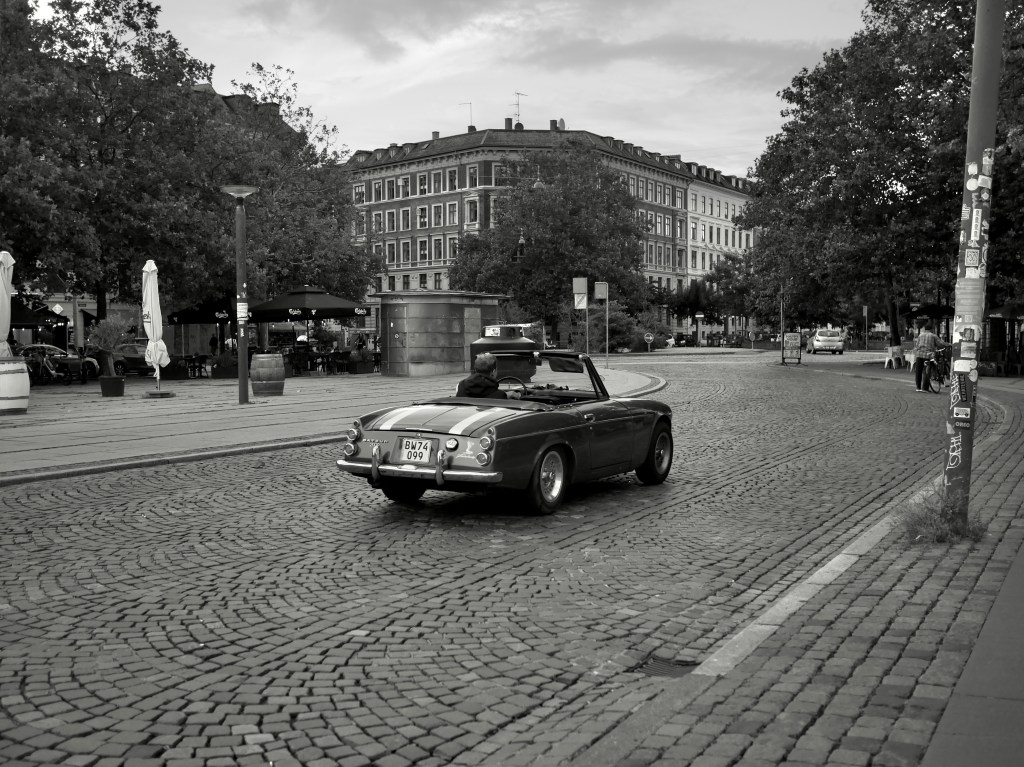
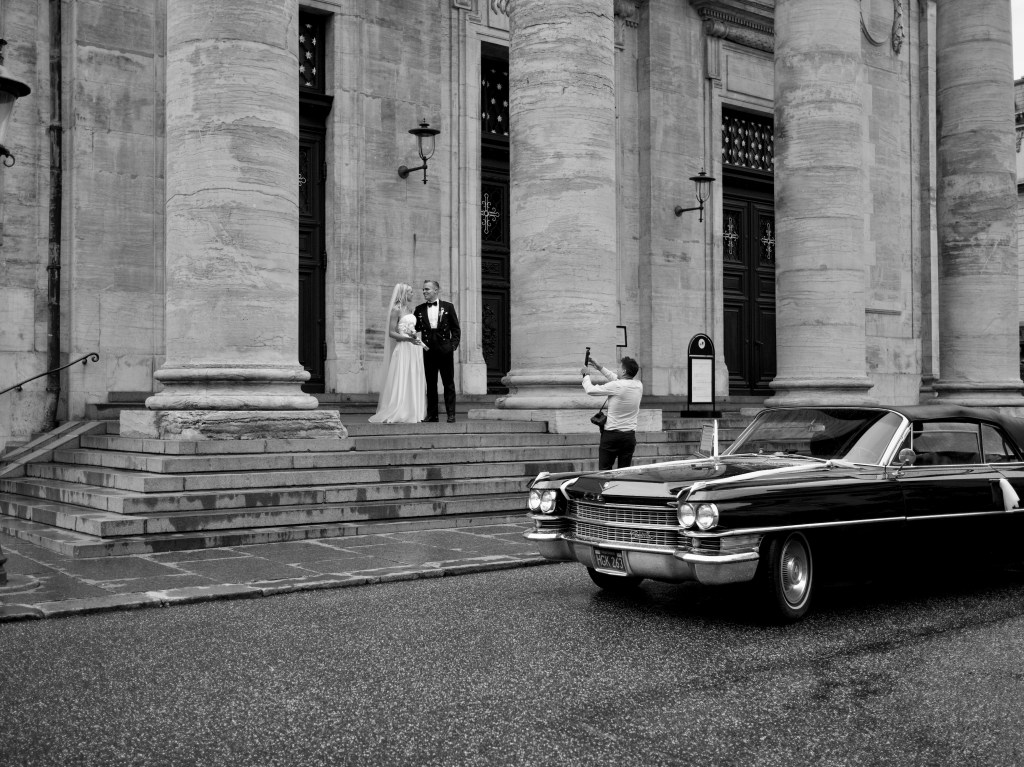
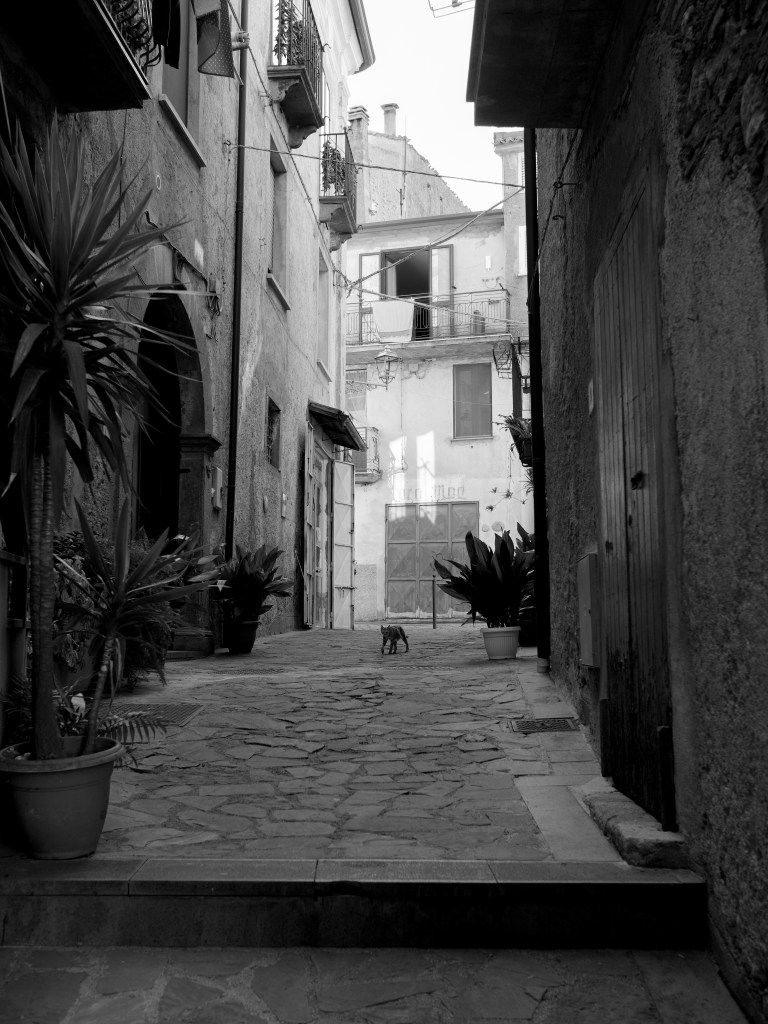
Can an artist just sit down and decide to one day create their own style? Or is the process one of slow assemblage, analysis, experimentation? Usually, it is the later. While the style or work may appear to come out of nowhere, most works of unique art or design are born of a honed reiterative process and gestation by its creator. By honed, I would say a result of constant refinement. AI, in theory, would be able to do this, so there lies my original contradiction in which I posited AI unable to formulate art.
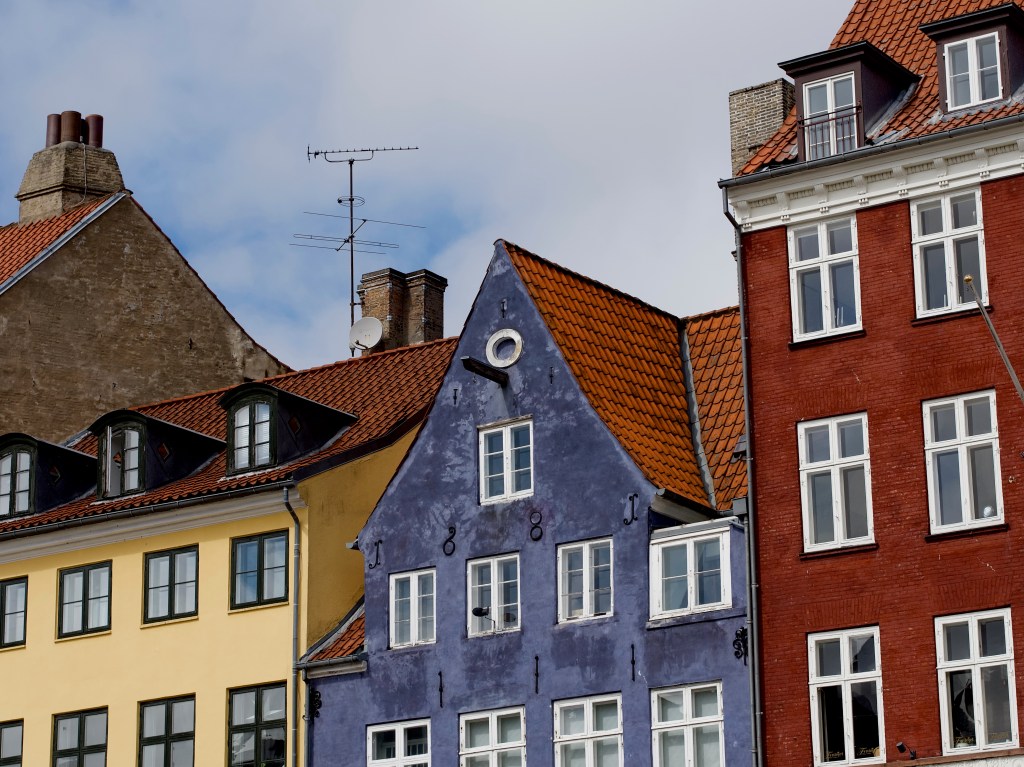
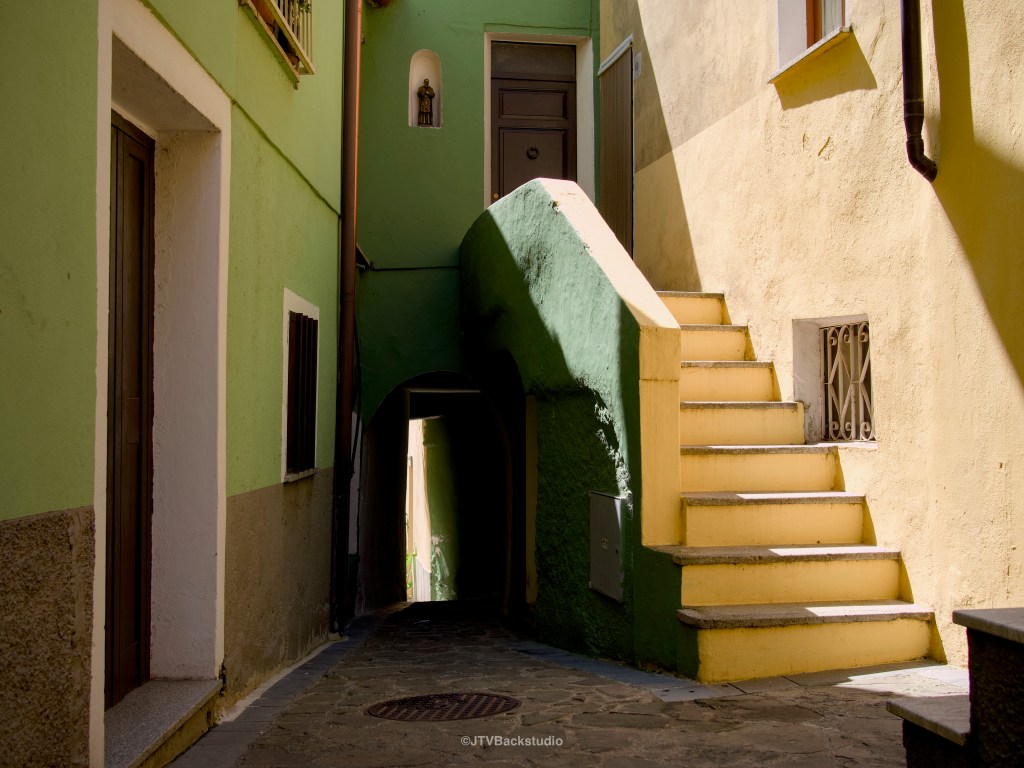
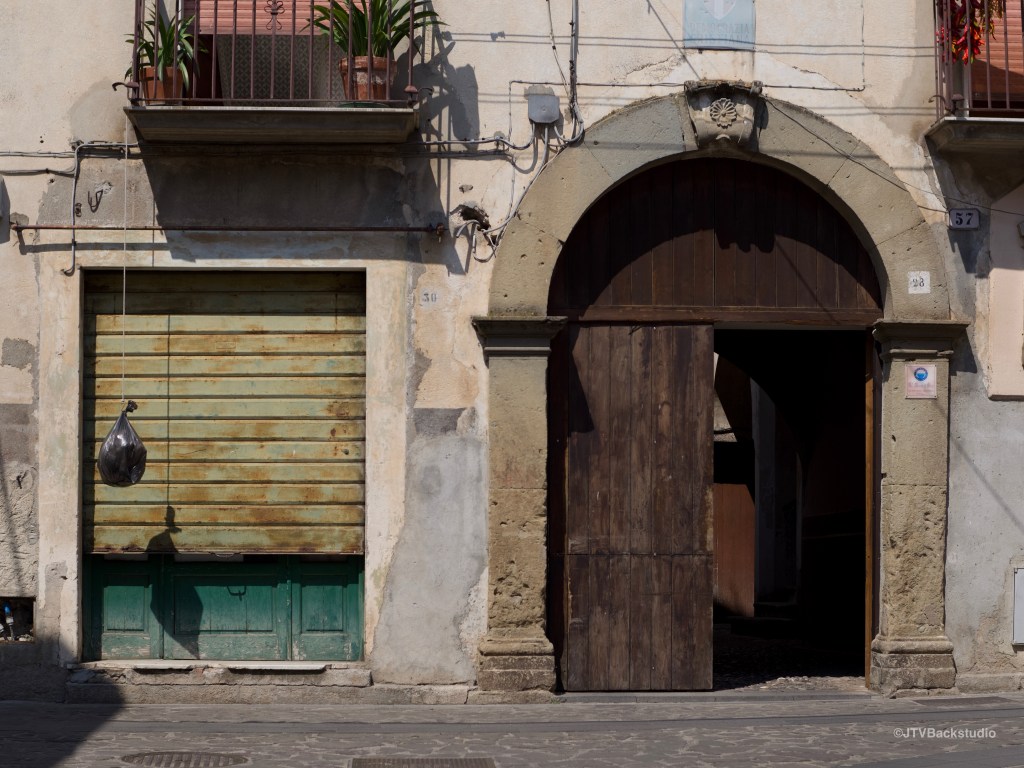
What is the human element to creating art? The human brain makes decisions based on experiences and relationships of consciousness. The ability of a human to question, analyze and seek answers regarding the basic elements of human existence will always reveal themselves in the formation of art. Our inevitable death is one of these existential elements which contribute to our formation of style and art. The remaining conundrum is the existential question of what value we provide to a world which is separate and indifferent to our existence?
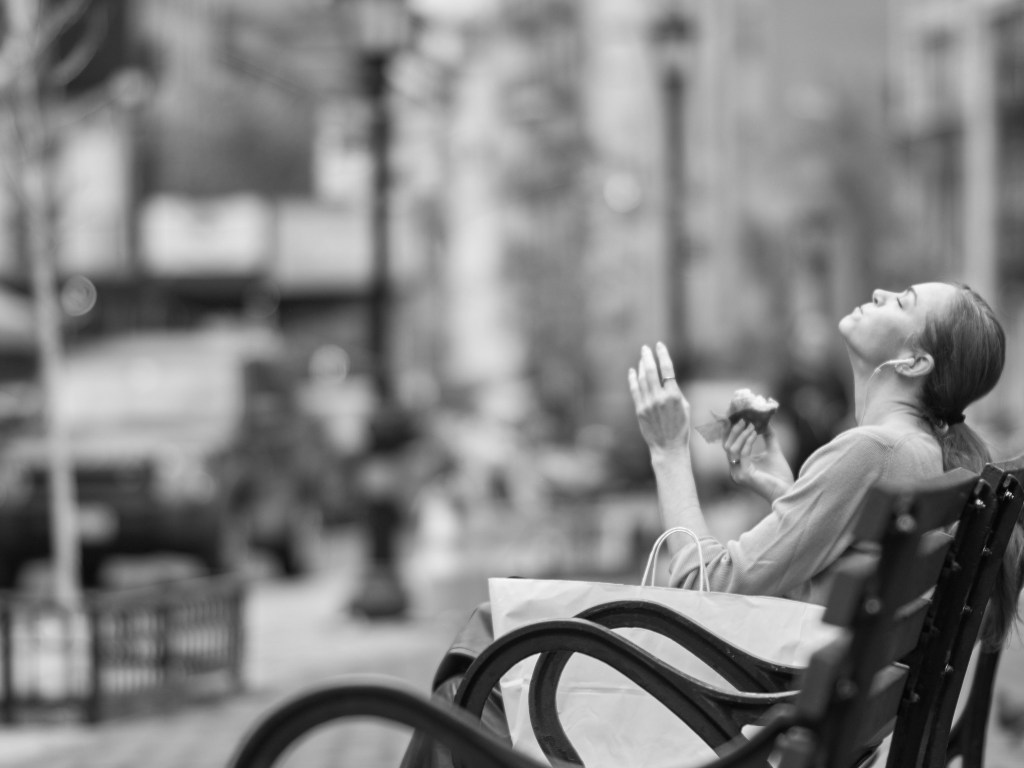
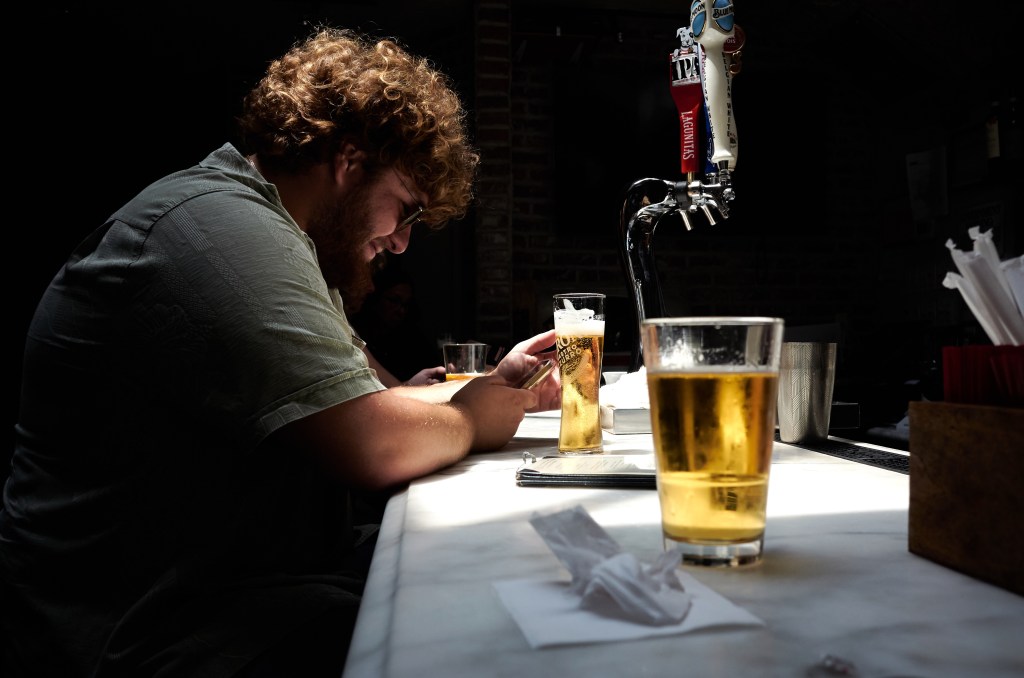
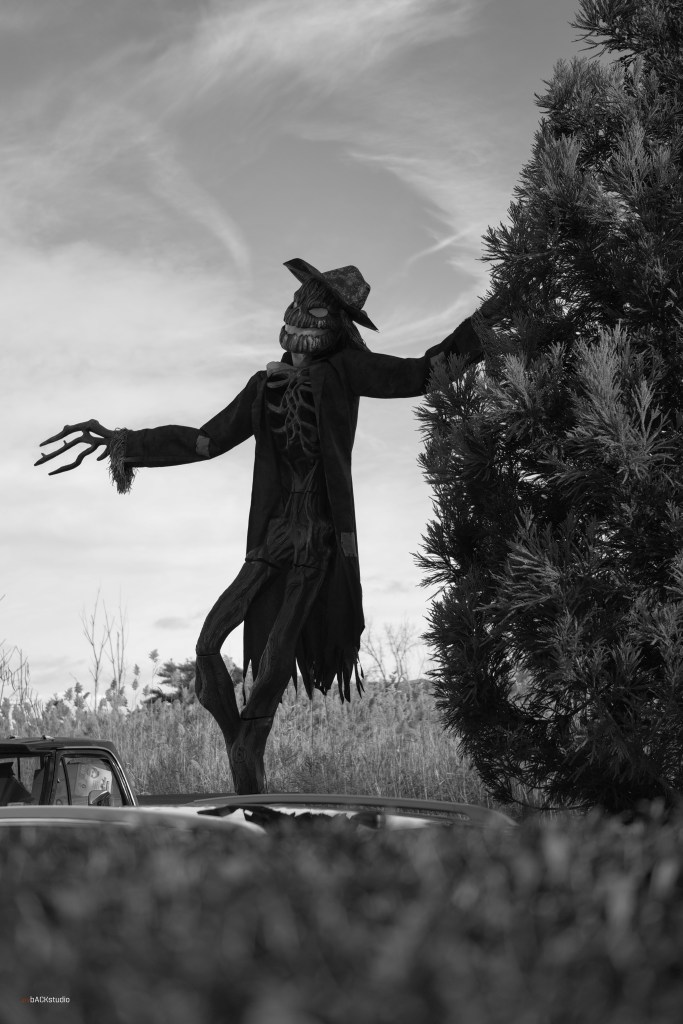
Religion is one framework for elevating ourselves from the aforementioned conundrum. So too is the practice of creating art. Both seek to define or address (?) the relationship between our inevitable death and the indifferent world which forms the environment in which we must think and feel. Perhaps it is no coincidence that the formation of modern concepts of Western Civilization’s art began at a time when it was common for the artist to interpret religion through painting and sculpture.
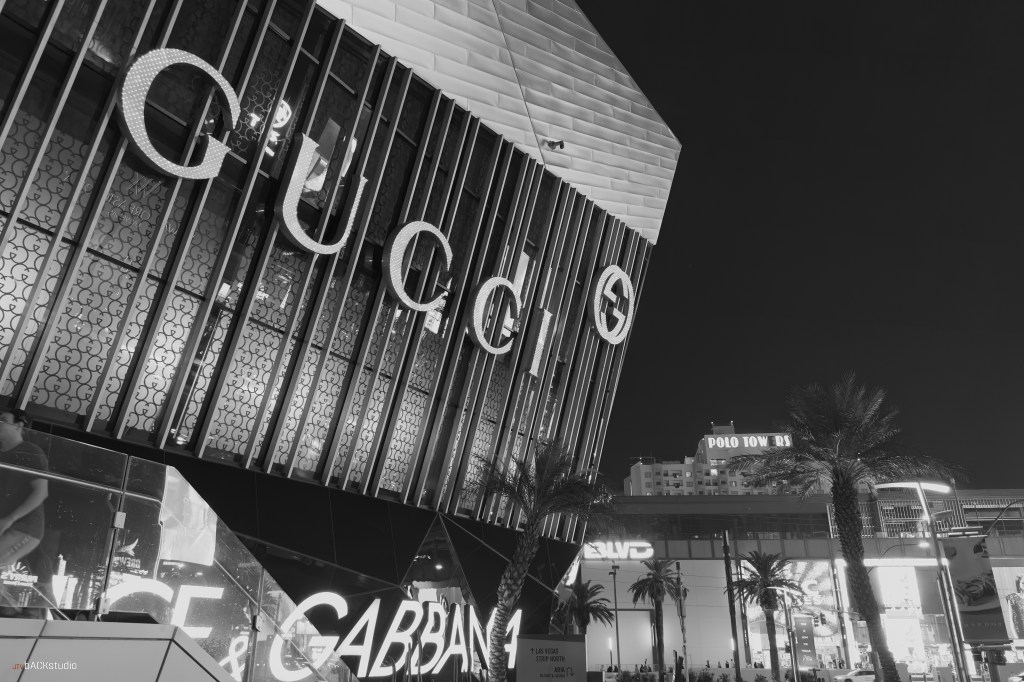
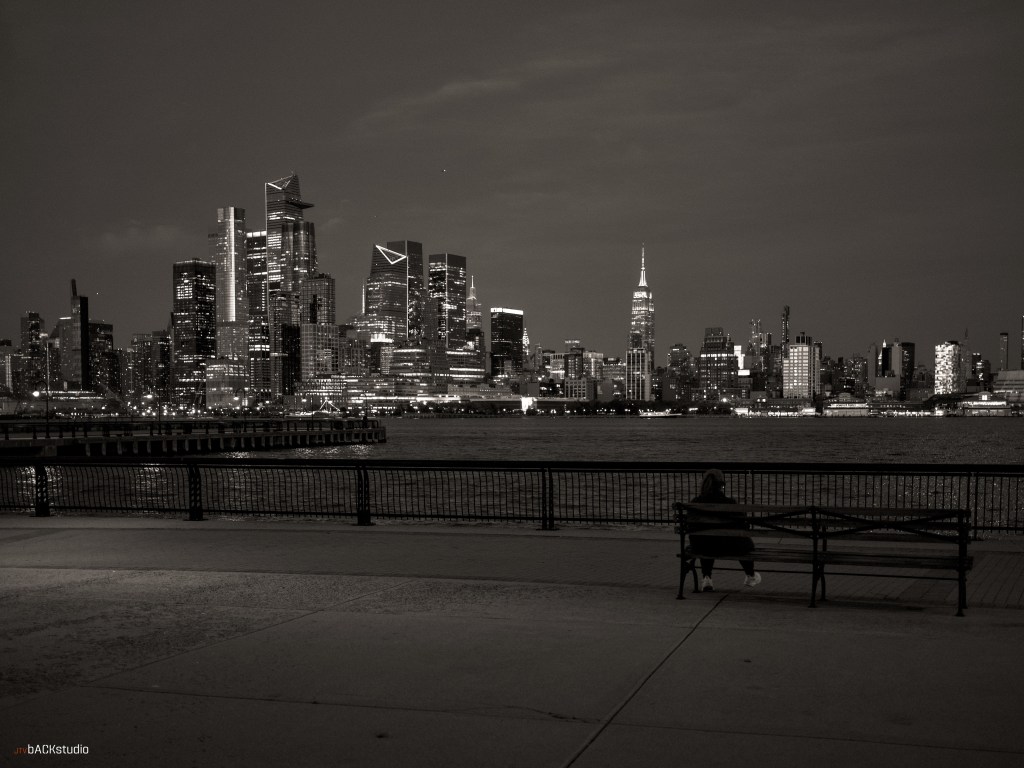
I believe style is ever evolving, but as photographers, we must decide when to freeze the evolution of style to create the photo. The moment of creation transfixes the relationship between the photographer and the subject, the photographer and their views of the outside world, and the encapsulation of technique, methods and rules used to take the photo.
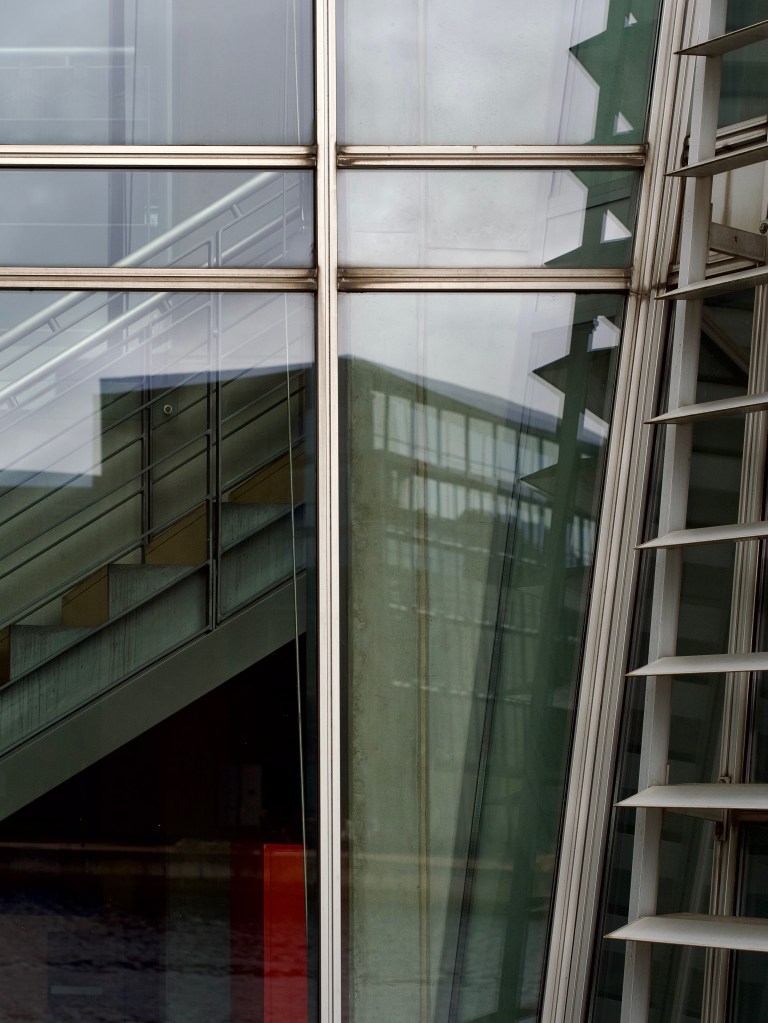
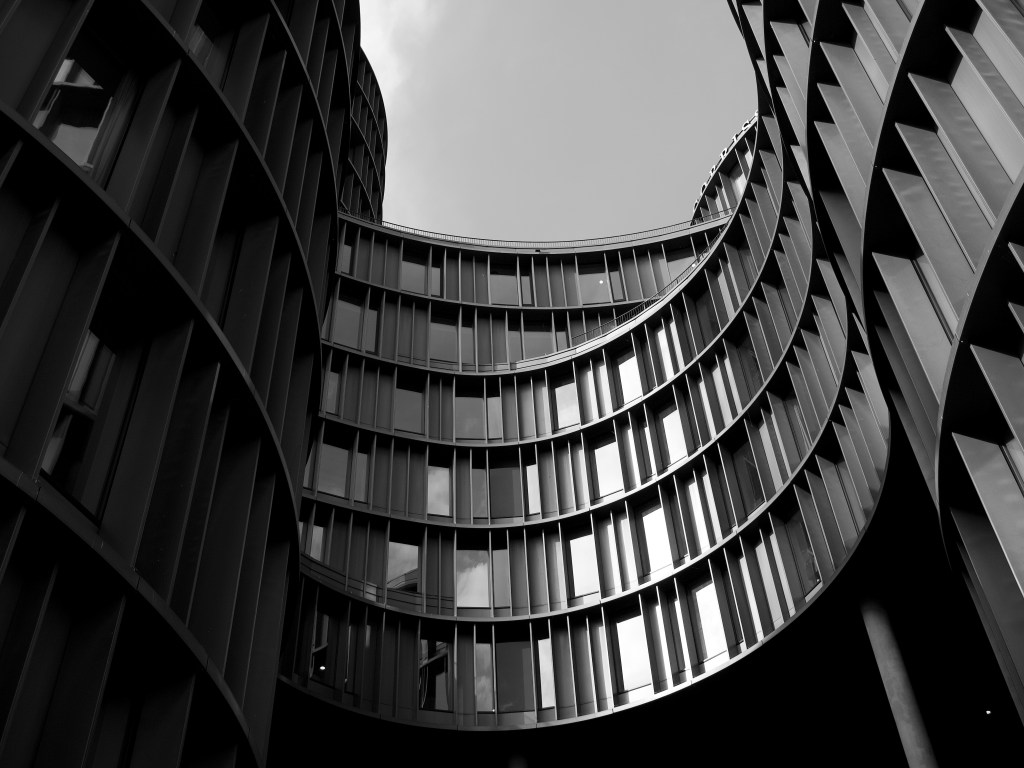

AI? As a tool, AI is able to sift through mountains of information and offer alternatives or answers to imaginary requests. But if the question asked of an AI LLM isn’t very good, the answer will appear arbitrary. The question asked of an AI model must include the intent of its use for its results to be of value. It must be prompted and/or guided with human input. The human process of decision making is essential to creation. Remove intent, and the process becomes arbitrary. It becomes an exercise in repetitive iteration.
So what does this have to do with curation and Picking Pics?
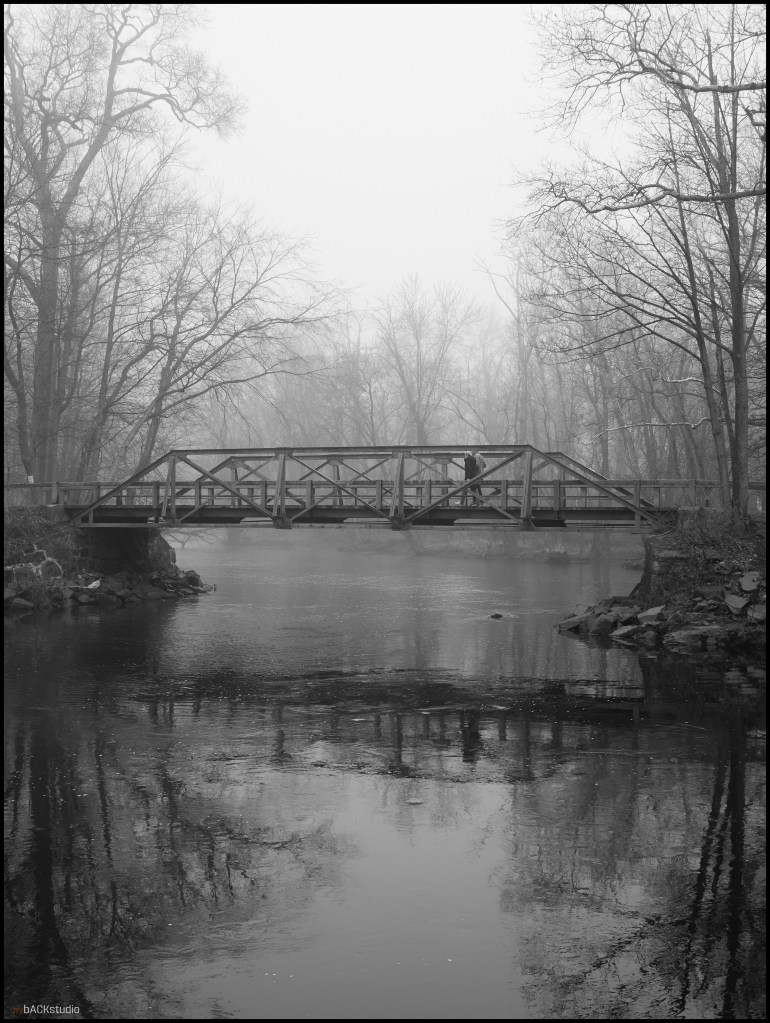
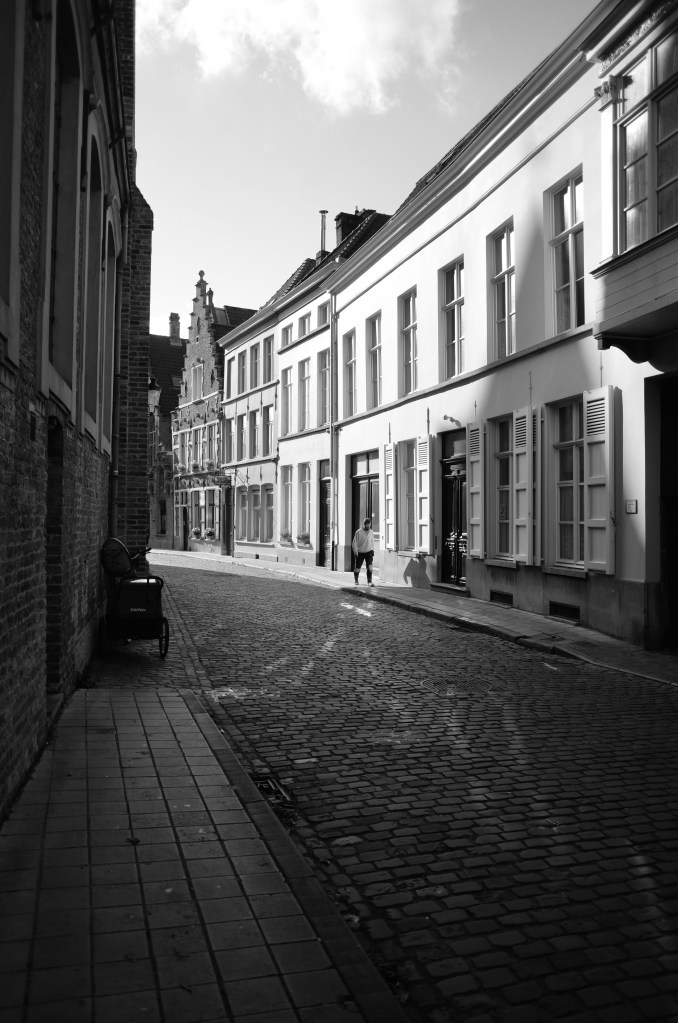
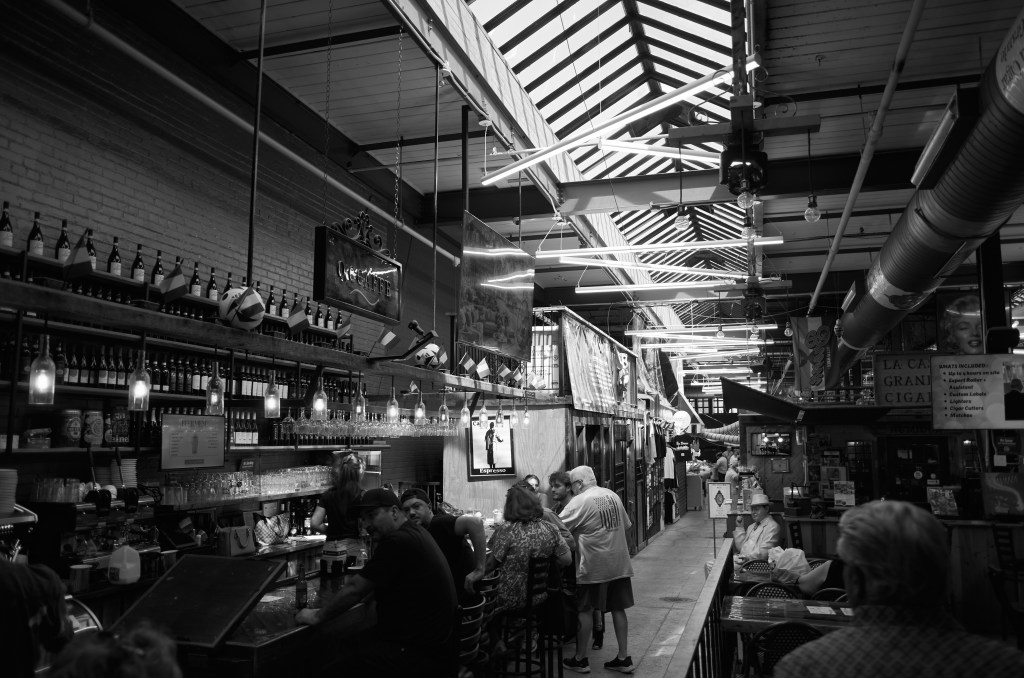
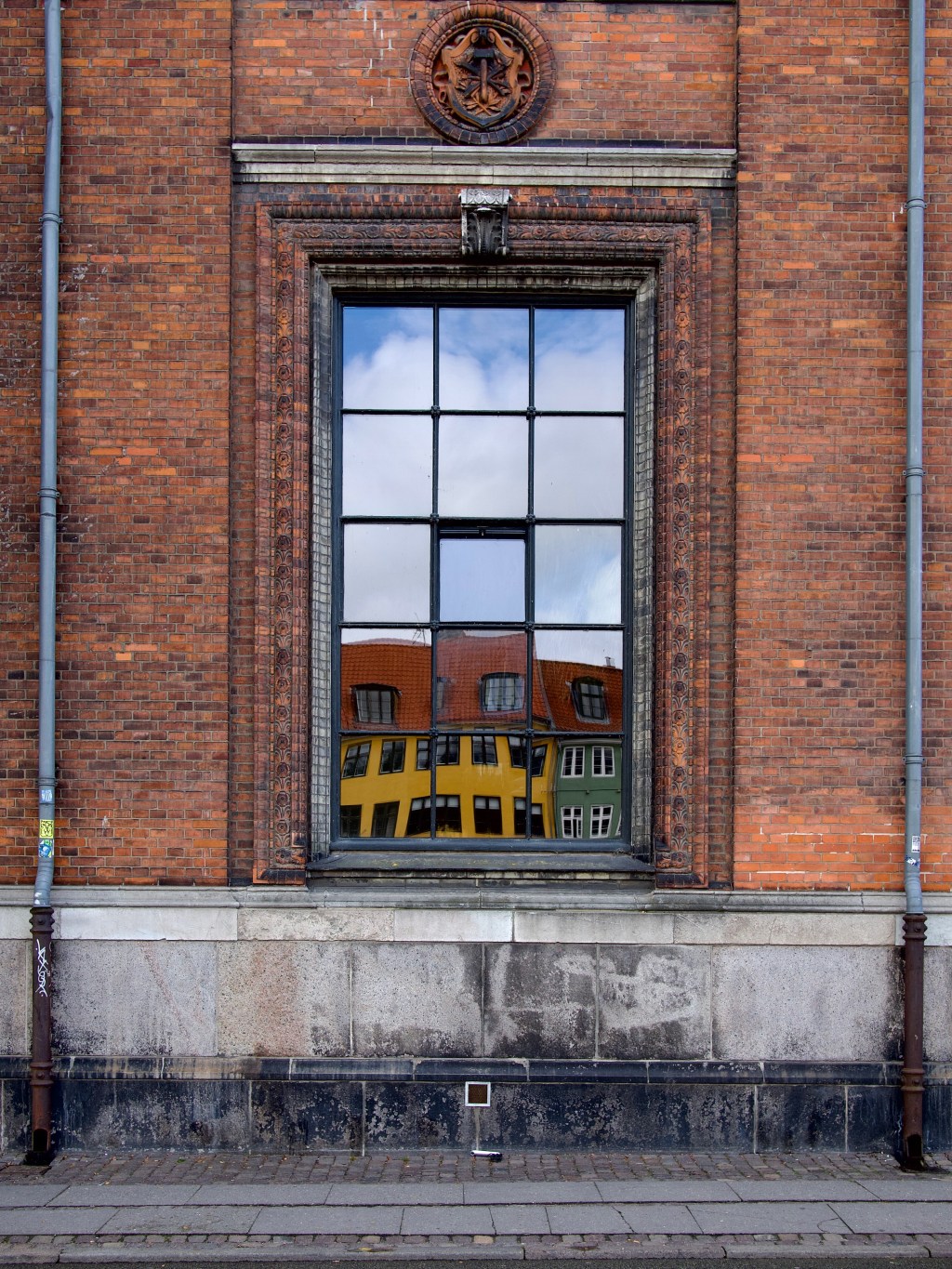
 Amateur in photography. Amateur in life.
Leave a comment