
by James V (originally from October 31, 2020)
Forward (Present Day)
My initial paragraph is lost from this post. In a nutshell, I was reading and exploring the photography of Henri Cartier-Bresson, whom, among other talents, was a famous street photographer from the 20th century. What I find interesting is the ability of HCB’s photos to effortlessly stir up emotion by hinting at a story of something deeper: the relationship between ourselves and what is described by Tim Carpenter, author and photographer, as the “indifferent world around us.” (No citations, this isn’t an academic paper…though I am quoting a book which will be discussed and quoted at length in an upcoming post). While the process for Carpenter seems a more deliberate one, for HCB, there is his self-acknowledged spontaneity about his photos which are essential to his work. An “instant” in which our shared relationship with the world, our limitations as a species and our stories that make us unique, all come together.
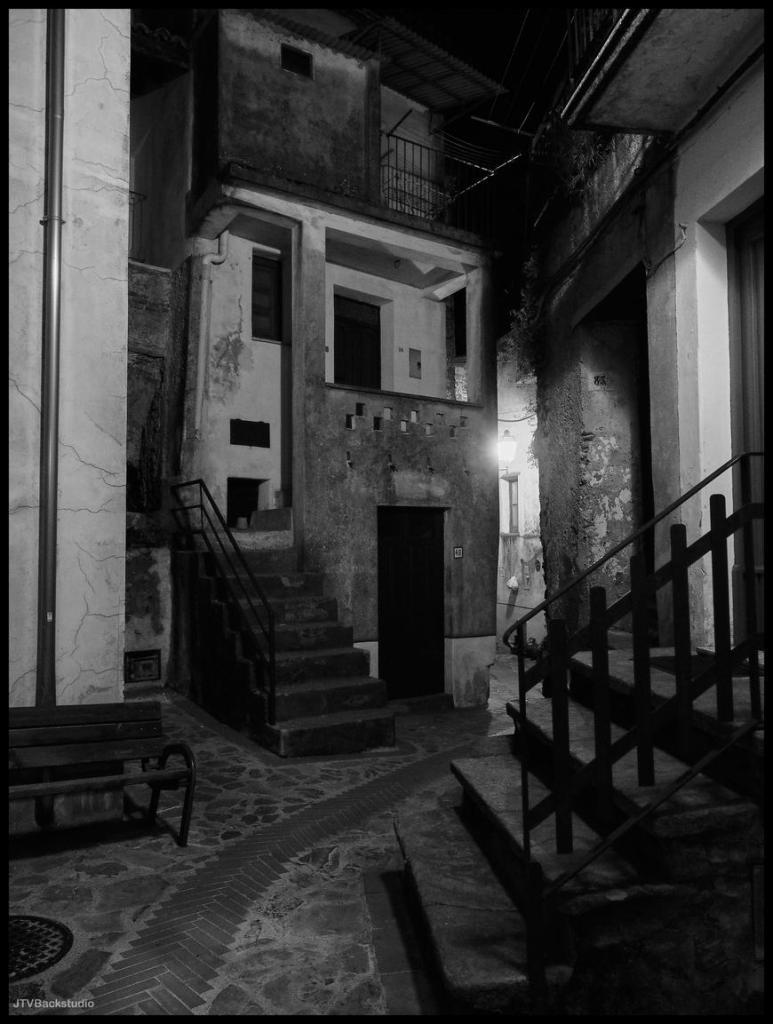
Francesco Sleeps
“To me, photography is the simultaneous recognition, in a fraction of a second, of the significance of an event as well as of a precise organization of forms which give that event its proper expression.” – Henri Cartier-Bresson
Quite a bit is implied by this statement: physical action (event), serendipity, patience (to recognize the event as it develops), artistic rigor (precise organization of forms) and finally, the expression of the event in the photo.
Bresson’s quote is said to have been inspired by Cardinal de Retz,
“There is nothing in this world that doesn’t have a decisive moment.”
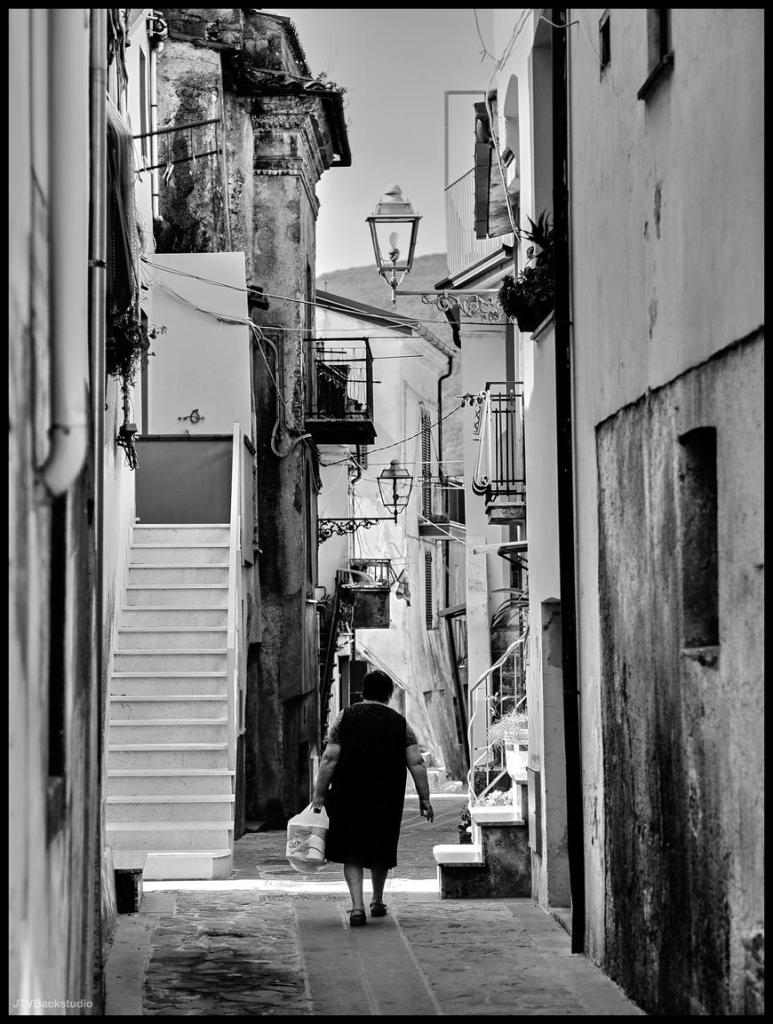
Untitled- Calabria, Italy
Two more steps and the subject would have been highlighted by the strong sun shining from the left side of the photo.
While this quote may hold some truth, it isn’t very specific about whether one observes a decisive moment born of fate (I presume Cardinal de Retz would have been biased towards his God creating such moments) or whether it is a result of a cognitive decision (in this case, that of the photographer) that determines when that moment has occurred. Regardless, it’s probably safe to say that contemporary photographers seldomly think their decisive moments are trying to prove the “Shrödinger’s Cat” thought experiment. The beauty in the Cardinal’s statement is that BOTH could be held true: the decisive moment as determined by God is finalized when perceived by man. Ah, the merging of philosophical foibles in photography…and quantum physics.
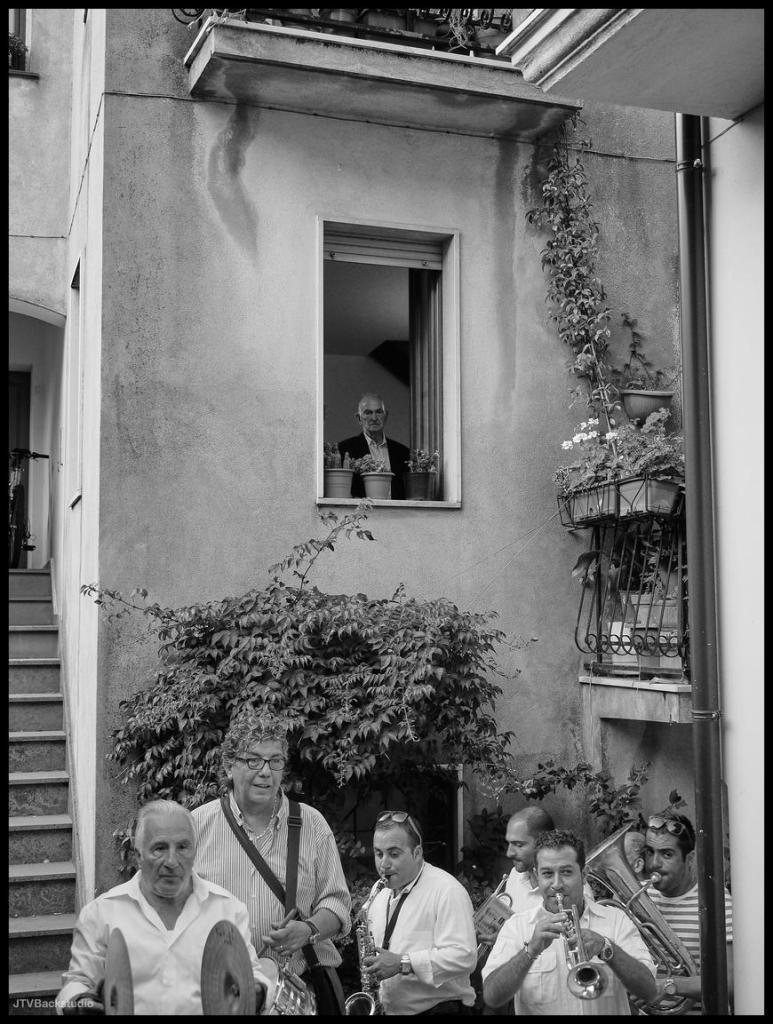
The Saint(s) Appear(s) – Calabria, Italy
HCB has admitted to waiting for certain elements of a photograph to come together. Specifically, he waits for a person or vehicle to enter (or exit) the frame, a door to open or shut, an eyepiece to reflect light, a head to turn, etc.. Therefore, while an event and the corresponding thought of taking the photograph is spontaneous, the actual composition and execution of the photo is not. He has sometimes made reference to shooting with his Leica camera as a hunter with his or her rifle, each waiting for the decisive moment of the capture or kill.
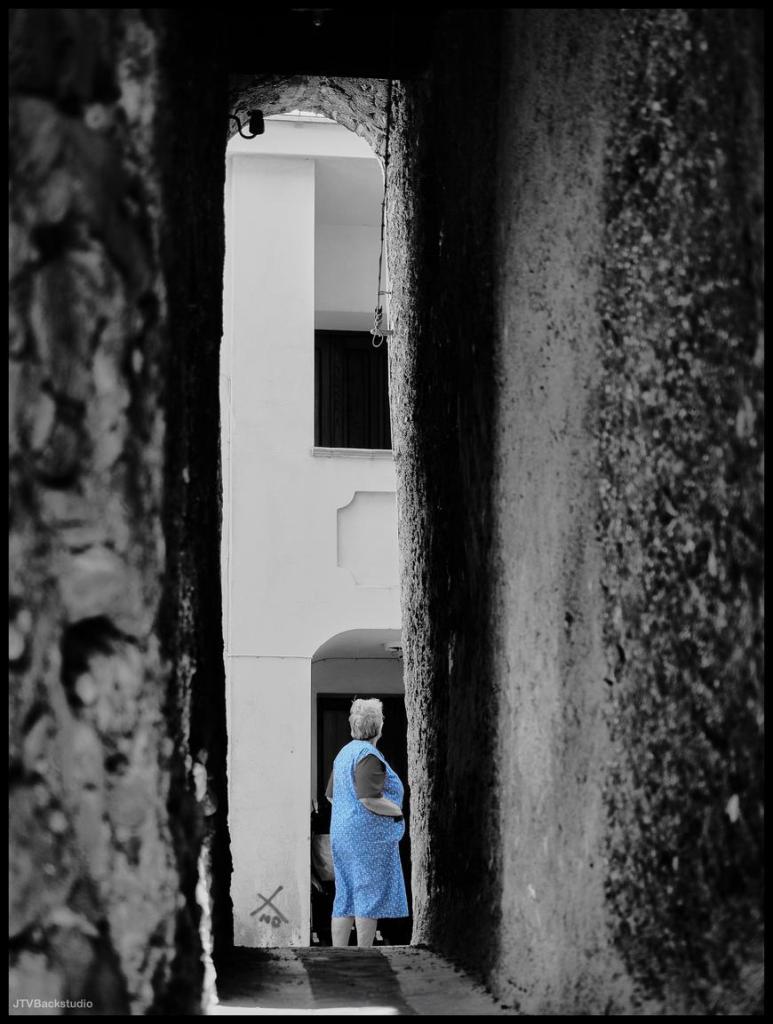
Calabrian Blue
Can landscapes fall within this HCB approach to photography? MANY landscape photos are premeditated with the environment, lighting, season, exact placement of camera, etc. evaluated before hand. Are there any characteristics that can make a landscape photo appear spontaneous? Photo documentary journalists sometimes bridge the difference between a traditional landscape photo and one which appears to be more spontaneous and less planned. While it could be argued a photo journalists landscape lighting isn’t necessarily predictable or planned in excruciating detail before hand, the photo journalist has usually taken painstaking efforts to be prepared for the unexpected. Instead of the the deliberate process by which Cartier-Bresson describes his work, sometimes, as photographers, we are concerned with a defining or decisive characteristic of the subject (in this case, a landscape). As photographers we must recognize that portraying the defining characteristic of something static (or any subject for that matter) requires our own decisive moment, not just that of the subject.
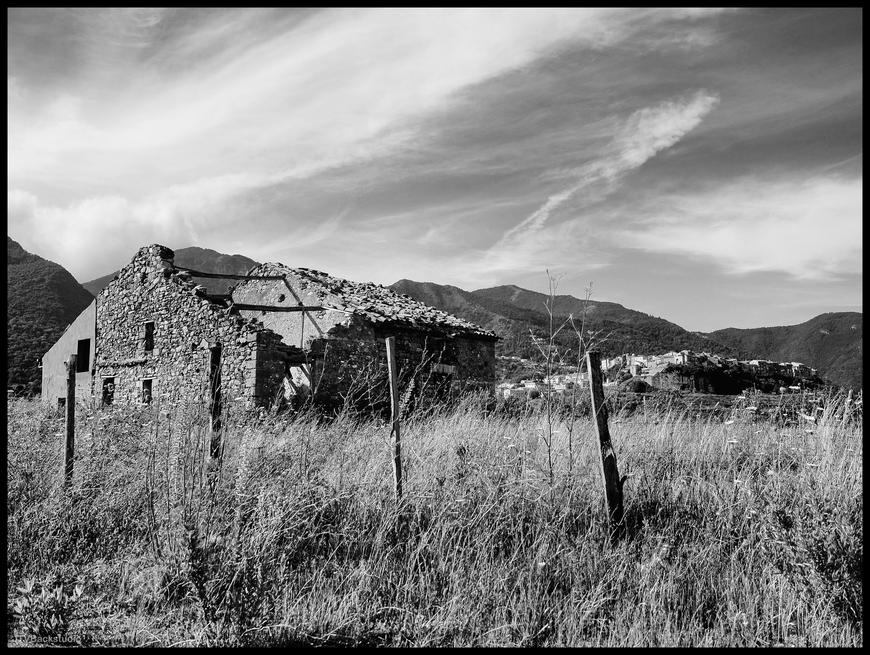
Untitled – Calabria, Italy
When the defining characteristic of the scene isn’t an event concerning the subject, the event becomes the activity of taking the photo itself.
Posted here are some “older” photos from a less experienced (though not necessarily inexperienced) hobbyist (me) who’s photos could have been more successful, if only for the following:
if more patience had been applied to take the photo OR
the photographer had anticipated certain movements within the scene OR
the photographer had waited for a more “decisive” moment to unfold OR
the photographer had recognized that the static subject required more thought about its defining characteristics OR
the photographer had been more experienced with composition and arrangement.
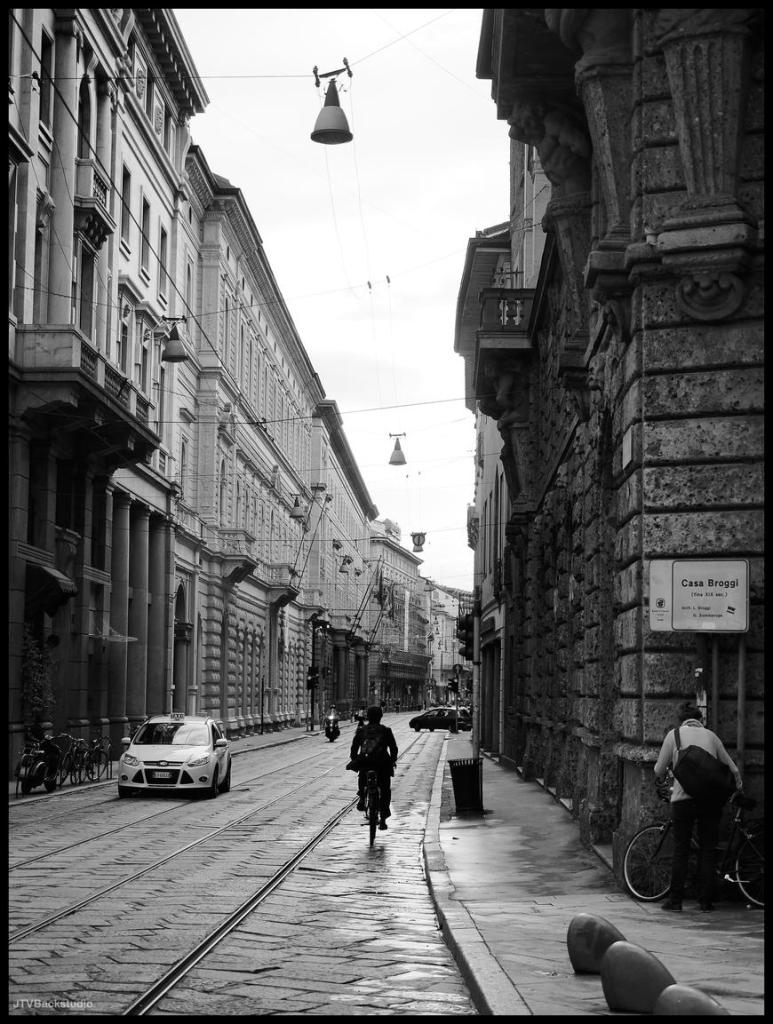
Returning Home – Milan, Italy
What happens if that the moment never materializes? I suppose that is the risk between capturing a “perfect” moment, a great photo to be admired or a snapshot of a memory; the difference between a vacation photo, hanging a photo and true art (something that provides meaning).
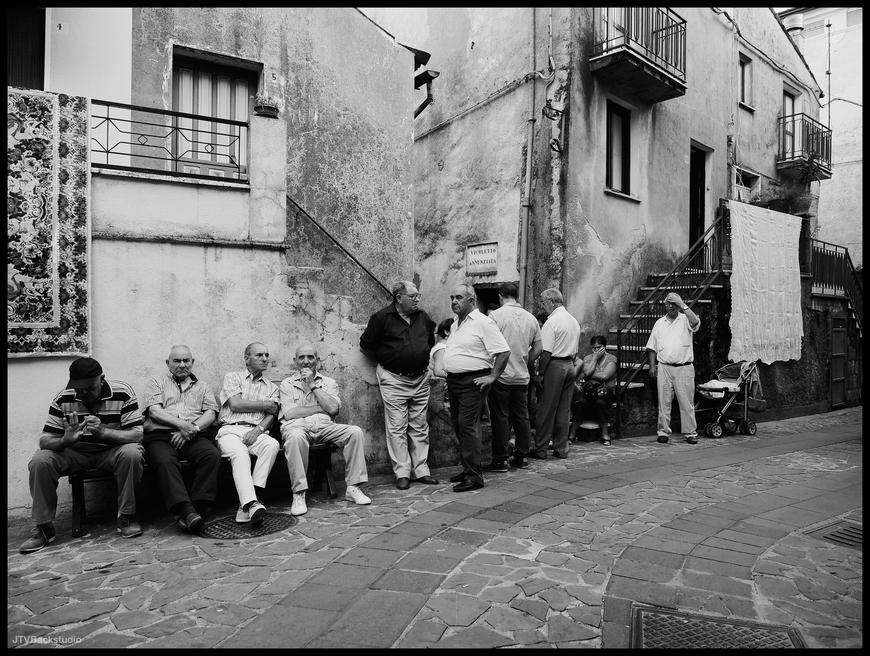
Waiting
“Your first 10,000 photographs are your worst.” – Henri Cartier-Bresson
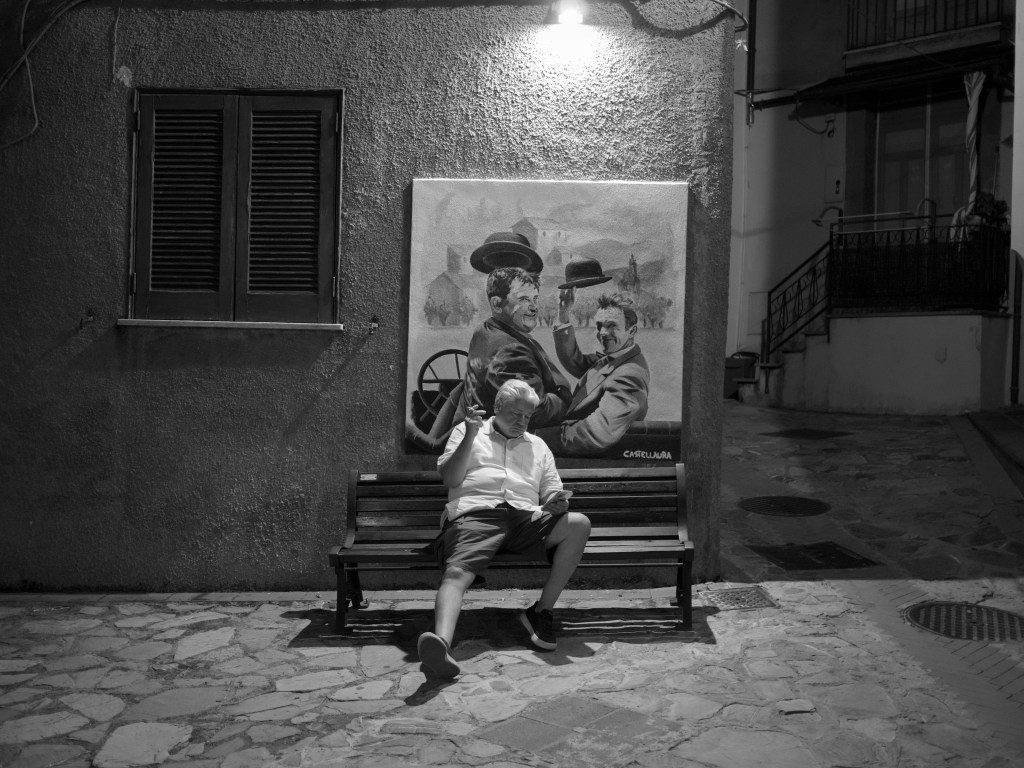
 Amateur in photography. Amateur in life.
Leave a comment