
(October 19,2020)
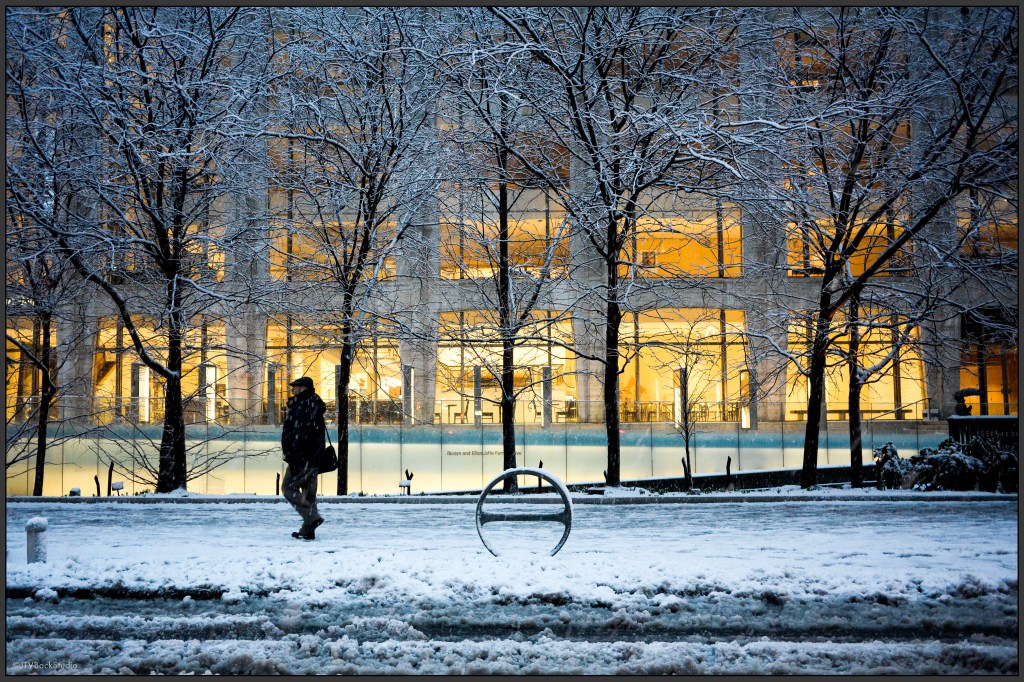
Chuck Klosterman, writer/author, published an essay about nostalgia in 2011 and re-published it in a collection of essays with a prologue written in 2017. In both works, he references music and photographs to make his argument: the experience of nostalgia has changed.
If I interpret Klosterman correctly, these experiential changes were a result of the creation of, and access to, digital media. Let’s explore what this means for photographers. After all, to echo Klosterman, photographs are “vehicles” for nostalgia. Perhaps this obvious fact clouds our judgement of photos and the ability to curate them.
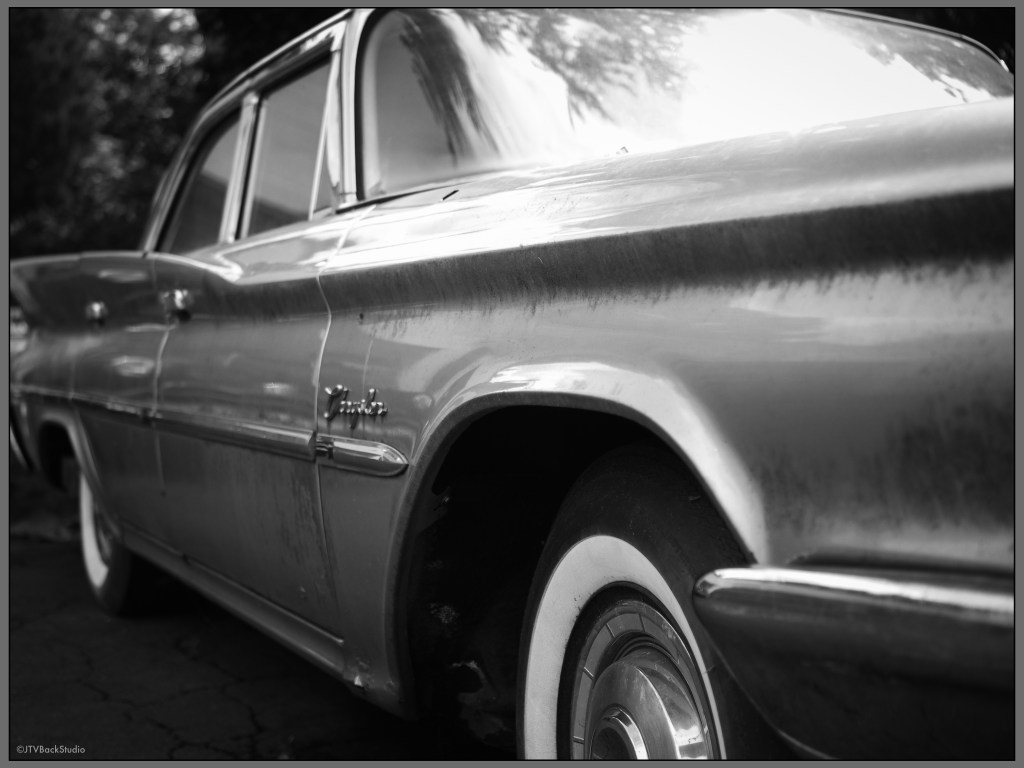
Chrysler
In our post digital world, the influence of terrestrial radio (and perhaps one could argue, the bookshelf) has diminished. In the bygone era of pre-internet media, a song was collected and played via a physical copy of media – anyone remember the 8-track? cassette tape? or the vinyl record? It was impossible to own every song available by every artist, instead, they were collected. Before the internet or streaming services were available, curated music selections were limited. Serious listeners invested time and money in their own collections (sometimes finding an old Glen Miller or Neil Sedaka album in their parents’ or grandparents’ console, now that’s serious). Yes there was radio, but we didn’t control it. Terrestrial radio was a casual form of listening. The intense listening we did at home with or without friends in our childhood bedrooms, was done repetitively. Many of us learned every aspect of the songs we repeatedly listened to as a child or young adult. By doing so, we remembered them more vividly. The half-innocence of tween-teen youth left us memories which gave those songs meaning.
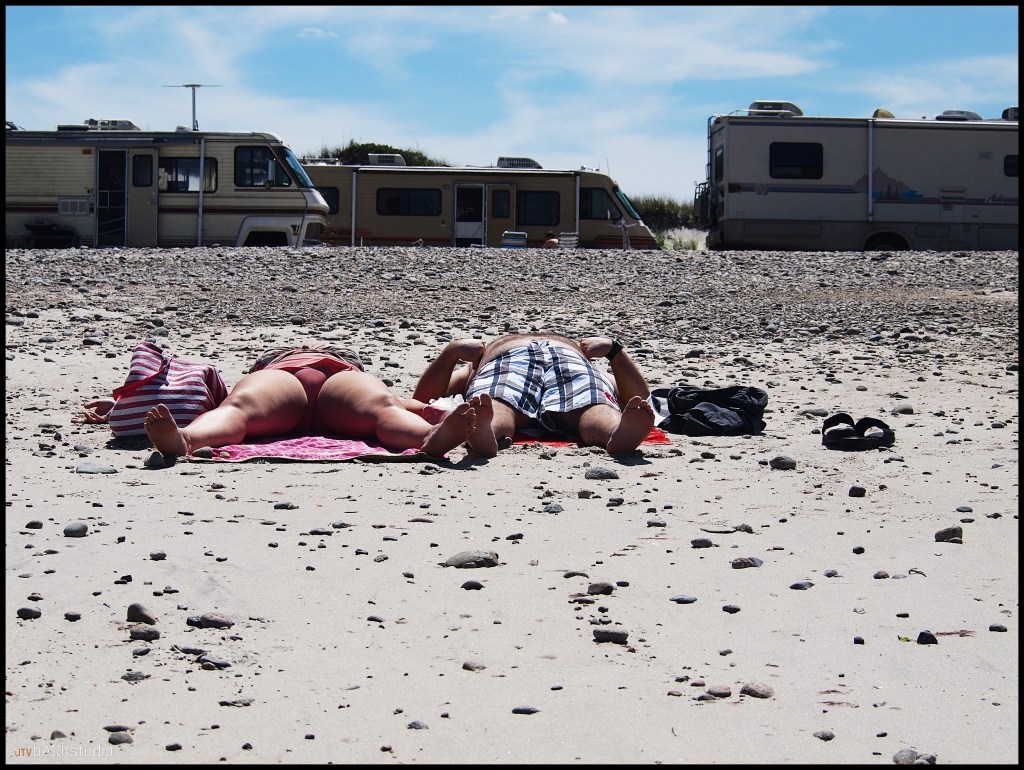
Beach Bums, Dennis, Cape Cod 2013
The Sony Walkman was a revelation. Its portability allowed us to carry our music virtually anywhere, with stereo headphones ensuring a private, personal experience. The Walkman made it possible to introduce music into more aspects of our lives. We grew an emotional attachment to those devices. They delivered us hours of battery draining pleasure, and allowed us to share cassette tapes with friends or acquaintances.
The Apple iPod was the first toe dipped into the deep waters of digital media. (Maybe not the first.) The ability to carry our entire music collection on one device and the ability to play songs in the order in which we chose to hear them was to change our relationship with music forever. The iPod marks the beginning of when we gave up the “discipline” of listening. Critical listening to music was supplanted by immediate gratification. What I mean by this is simple: you never necessarily had the music you wanted to hear at the time you thought it best to hear it. Before the iPod, the physical limitations of size forced us to listen to available music at any given time. Mood be damned, you wanted to listen to something and, if you were lucky, able to hear it differently because you were forced to find a connection between the music and activity taking place concurrently. And what happens as a result? The song you thought wasn’t appropriate for your mood offered an opportunity to present itself for new meaning. But the iPod diminished the serendipitous relationship between music and activity, replacing it with the “shuffle” function; another way of just saying, “press a button to skip this song.” Our tolerance for B sides, longer songs and more conceptually created music waned. Playlists took the place of flipping a cassette.
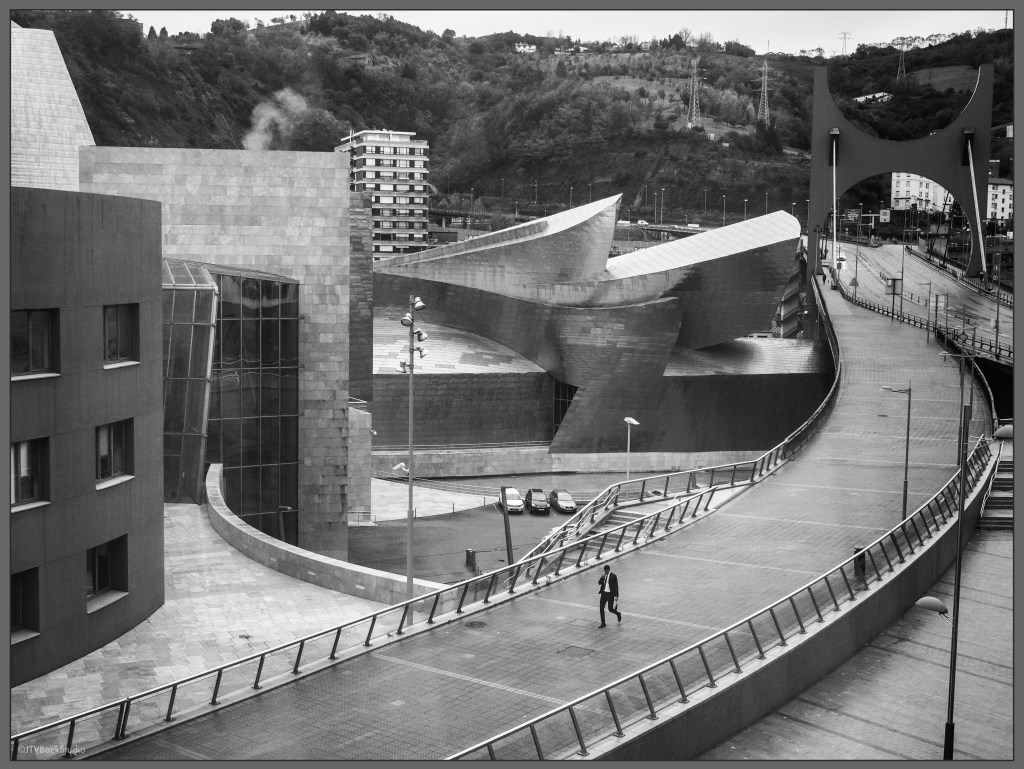
Crossing the G, Bilbao 2017
Don’t even get me started on touch screens vs. tactile buttons, flipping tapes, lifting and lowering tonearms, setting turntable speeds, cleaning a record, or throwing an 8 track out the car window.
The internet has made our ability to remember things less relevant. As Chuck Klosterman wrote: “Intellectually, having a deep memory used to be a real competitive advantage. Now it’s like having the ability to multiply four-digit numbers in your head – impressive, but not essential.” No longer is there a risk of forgetting a musical artist or a particular song or photograph, they are always accessible and we can always add them to a “playlist” to remember them.
The irony of the digital age is that as we continue to develop this virtual encyclopedia of knowledge called the internet, people still want to remember things. Something tells me it is a survival instinct, that by relying on the internet for our memories, we are on the road to dementia…but I digress. Repetition was the method of absorbing our music and as a result, songs were remembered for more than their worth. Importance was eventually attributed to songs such as “Aqualung,” if such a thing can be said of “Aqualung.” Perhaps a better example could be found with artists such as Bob Dylan, Bruce Springsteen or Chilliwack…ok, maybe not Chilliwack. (I confess Chilliwack as a guilty listening pleasure. “Mr. Rock” will always be a nostalgic song for me. Perhaps not as much as “Computer Incantations for World Peace,” but nostalgic nevertheless.) The songs by these artists harken mostly fond memories of youth. Perhaps this fondness is a sign of empathy for the child I once was, learned from a wonderful family I was fortunate to have growing up…again…I digress.
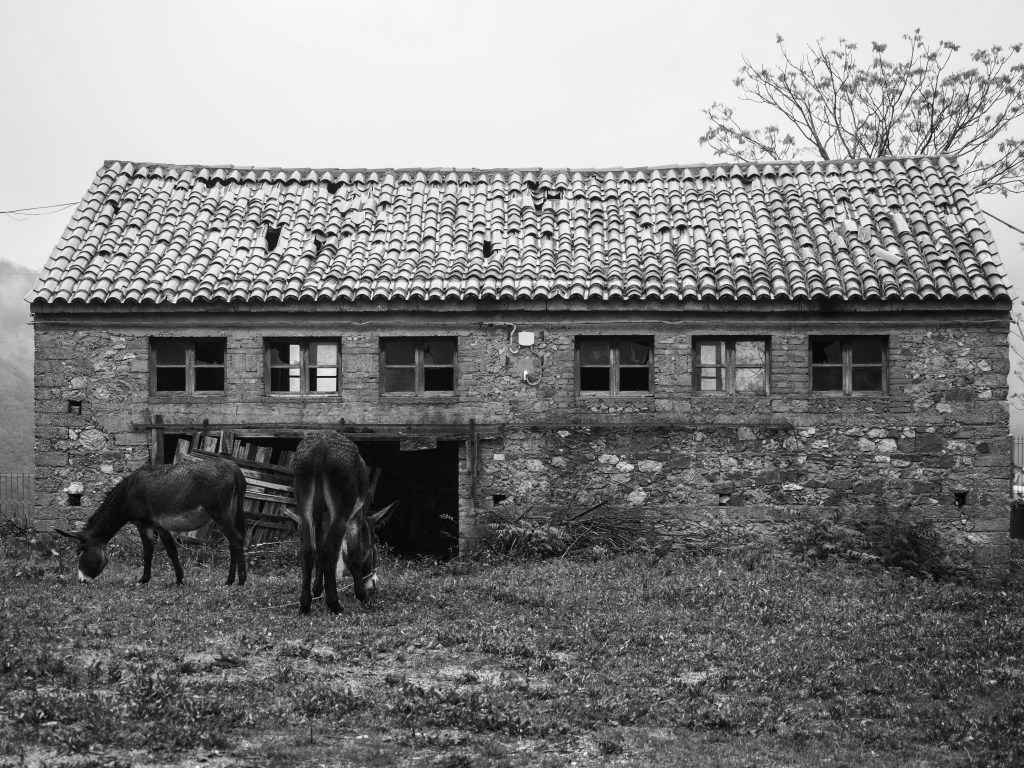
The Blind Leading the Blind, Calabria, Italy 2017
What happens now? Our desires haven’t changed- we still want to listen to music or read a book or look at a photograph- but the necessity of playing the same songs, reading the same books and looking at the same photographs, repeatedly, is unnecessary. Our contemporary world provides access to more of these things than we can experience in a lifetime. We have shifted from an elongated temporal experience of repeatedly studying a photo and trying to re-imagine it afterwards; by an experience that tries to aggregate a collective nostalgia by instantly sharing photos amongst thousands of strangers. We once absorbed musical culture and appropriated it to carry and wear with us. I will even go so far as to say we let it define us. Today, we carry a portable electronic device that not only gives us access to endless media, but allows us to immediately share our experiences with friends and strangers. By sharing these works of art, we create a new culture of memories. This is not a new concept, but to have this “culture” forever documented on the internet and by extension, stored in our pocket, IS a new development. It is not, however, “culture” that is created, but rather, fashion. Artists make art and artistic appropriation contributes to culture or fashion. The difference between the two is appreciation vs commoditization. Want both? Andy Warhol. The artist is no longer the cult of personality (again Andy Warhol), instead the artistic work is appropriated into a culture of personalities (a form of hyper-imitation). This isn’t a gripe, a “get off my front lawn” moment for the younger generation of today, it’s an observation. It tries to explain a relationship between culture, fashion, art and digital media that has changed the way we remember and create meaning. Perhaps it is also an observation on the influence of art in our era. Some would argue that the written word stalwartly opposes these trends, but I reserve judgement when everything seems to be said in 250 characters or less amongst the avatars of this world. I would venture to guess more words are read in tweets than in novels.
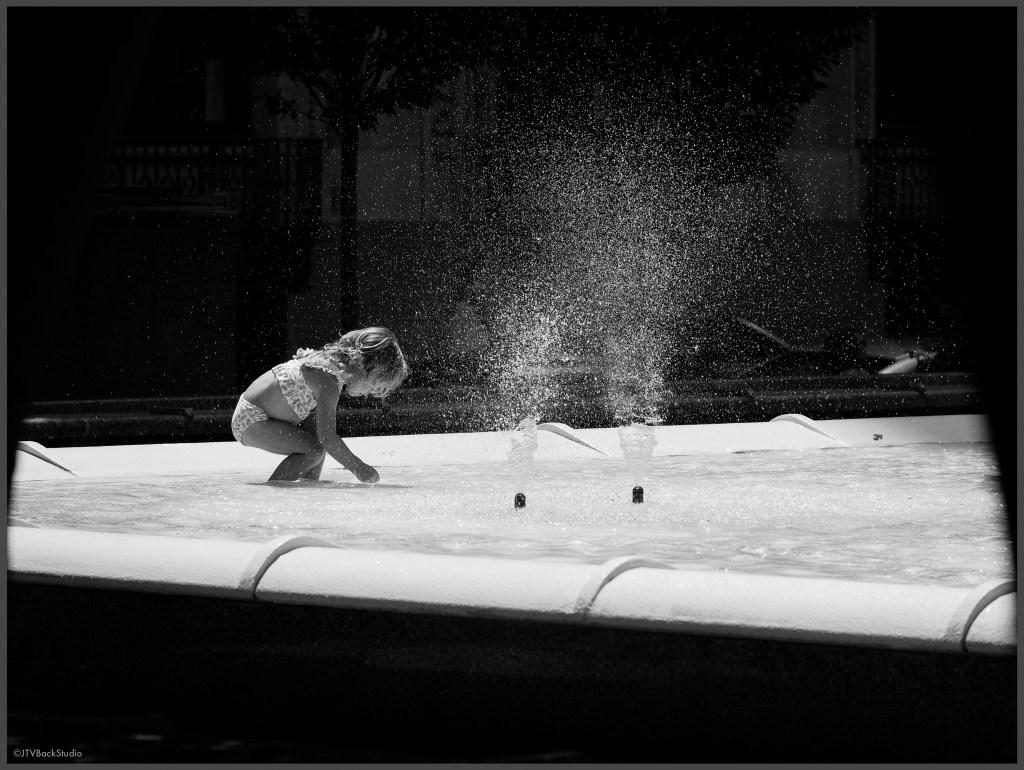
Pittsburgh, PA 2016
The desire to “share” and “promote” our own works or those of others isn’t necessarily a traditional goal of the artist’s endeavors. Artists feel compelled to create and the need to express something: a concept, a part of their world, an emotion, a critique, nothing (in which “nothing” is philosophically something) or a conception of artistic representation itself- to name a few. Many times, they do so without consciously thinking if their creations will be accepted or shared. They explore. Today, artists must market themselves. They share, self-publish and to some degree self-promote their works to the public. And while artists continue to create associations between culture, science, politics, philosophy…or even their mother’s closet; they recognize that the media and culture in which they work, forces them into their own commoditization.
I don’t know if I agree with anything I have written so far.
I believe personal nostalgia is a defining trait in what makes us human.
I still nostalgically think of the starving artist as the prototype.
I believe Klosterman may have been finding distinctions between contemporary collective nostalgia vs traditional individual nostalgia. Perhaps there is no difference and the experience of nostalgia has changed, not actual nostalgia in and of itself. I think it is a typological form of change. Actually, I don’t know if I agree with this either.
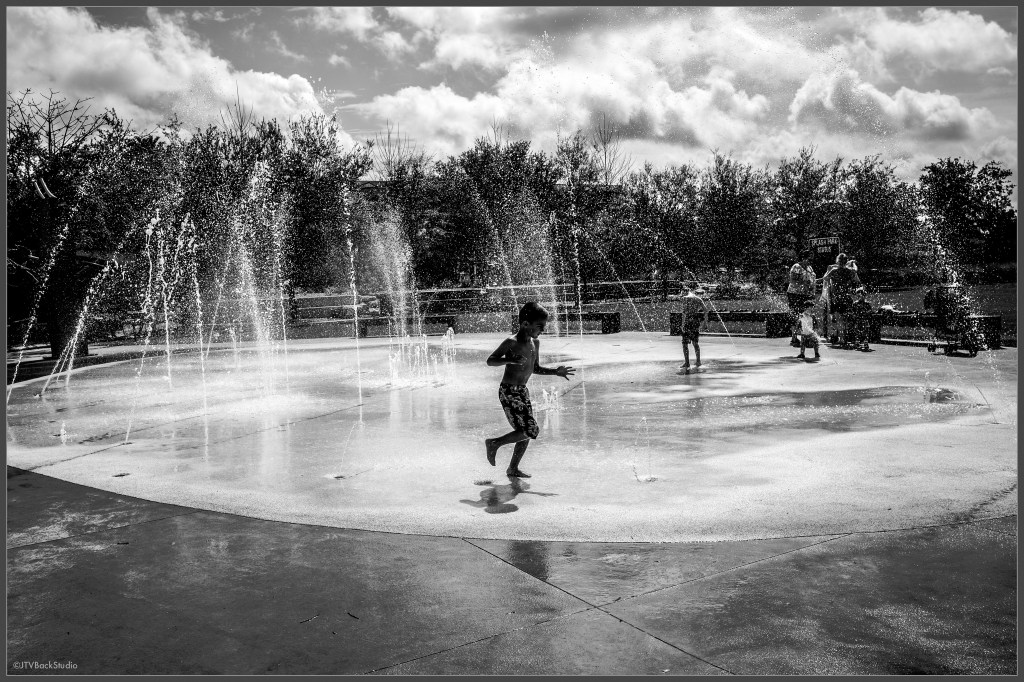
Splash Down, Sarasota, FL 2016
Where o where does the photoblog sit within these ramblings? These experiences?
If Klosterman is right, perhaps the photoblog can be seen as an attempt to create a virtual “place” for remembrance, formation of meaning and nostalgic experience. Is this too ambitious? Is the photo itself the only way to form meaning and remembrance? If so, the photoblog becomes just a medium to share nostalgia, at a large, overwhelming scale. It is a scale which limits our ability to appreciate so many photos and forces us to speed through our “likes” and “dislikes;” a process which makes it difficult to critically engage our memories or recall photos we have taken ourselves. Are we able to do such a thing or is nostalgia internalized and unique to the individual? Are we doomed to be a shallow group of photo fashionistas trapped in our modern consumption of digital media?
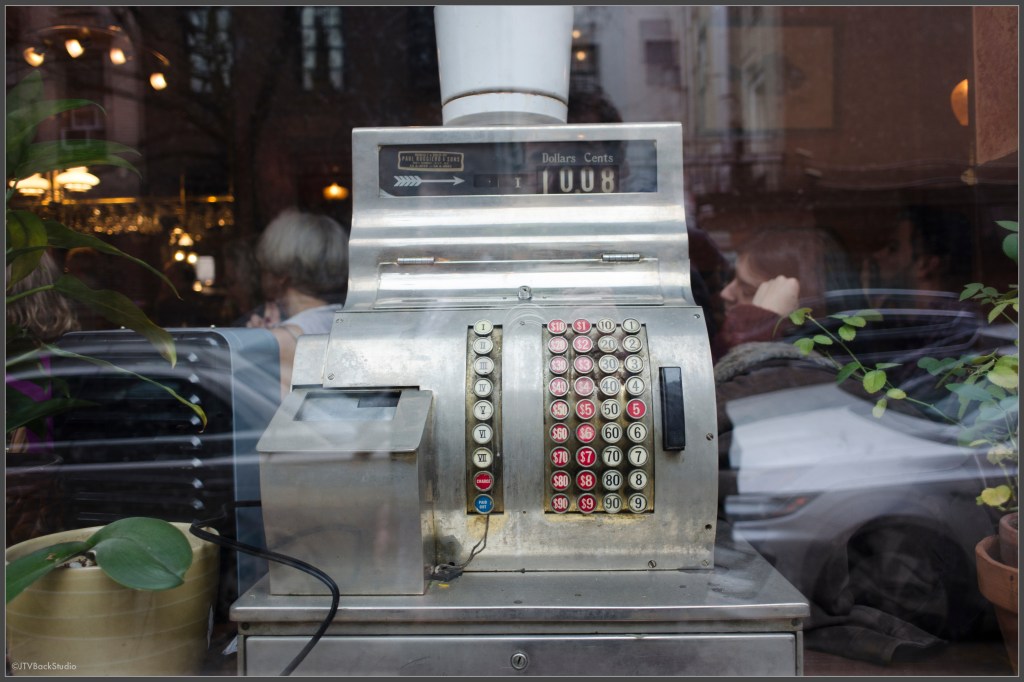
$10.08 NYC 2016
A friend recently explained that he was creating an LP collection for his son to give him the experience and opportunity to play records on a turntable. I tried to guess if this was an attempt to gift the nostalgic experiences of an older generation upon a younger one, or an attempt to introduce his son to more diverse forms of music. I expect any experiential intent may fall flat for his son, who has access to all forms of music and millions of songs on a streaming music service. If the physical experience of caring for the equipment and playing the record becomes an integral part of the nostalgic experience, then it may become a success. The purpose of those rituals allowed the slowing of time, the preparation and slow decision making process of what record to play next. I believe it is the experience that is at the heart of this gift. And in a way, my friend is teaching his son to appreciate a different form of nostalgia by forcing his son to experience something differently…more slowly.
Architects used to draft with pencils on mylar. The pencil had to be sharpened. Until the later 20th Century it was by hand. This pause in the work, the pause to reflect on what was being designed or drawn, is where creative moments are born. So if anything can be learned, it is that the pause in being creative may be just as important as a pause when consuming it.
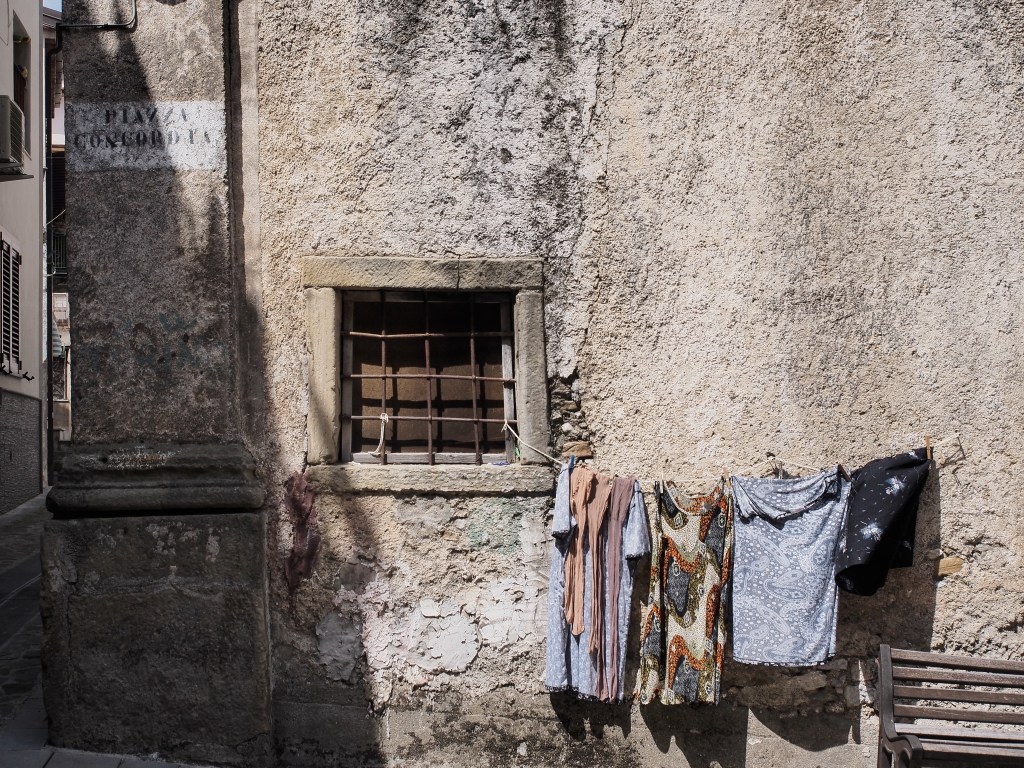
Calabria, Italy 2017
How many of us print our photos, frame them, and hang them? It is quite a different experience from posting to a blog, is it not? Do educated and skilled photographers making their own prints feel the same about photographers that have never developed their own photos? I am sure they do not, and I am sure nostalgia plays a large part in their predjudice.
Perhaps to understand and appreciate a photo, repetitive viewing is required and to achieve that in today’s world, we must slow down…just a little. Perhaps the experience of repetitively viewing our photos is what will help us define nostalgic experiences moving forward. This is the essence of curation and perhaps, developing meaning and the reason we make these little snippets of our lives.
 Amateur in photography. Amateur in life.
Leave a comment